

🧭 Overview
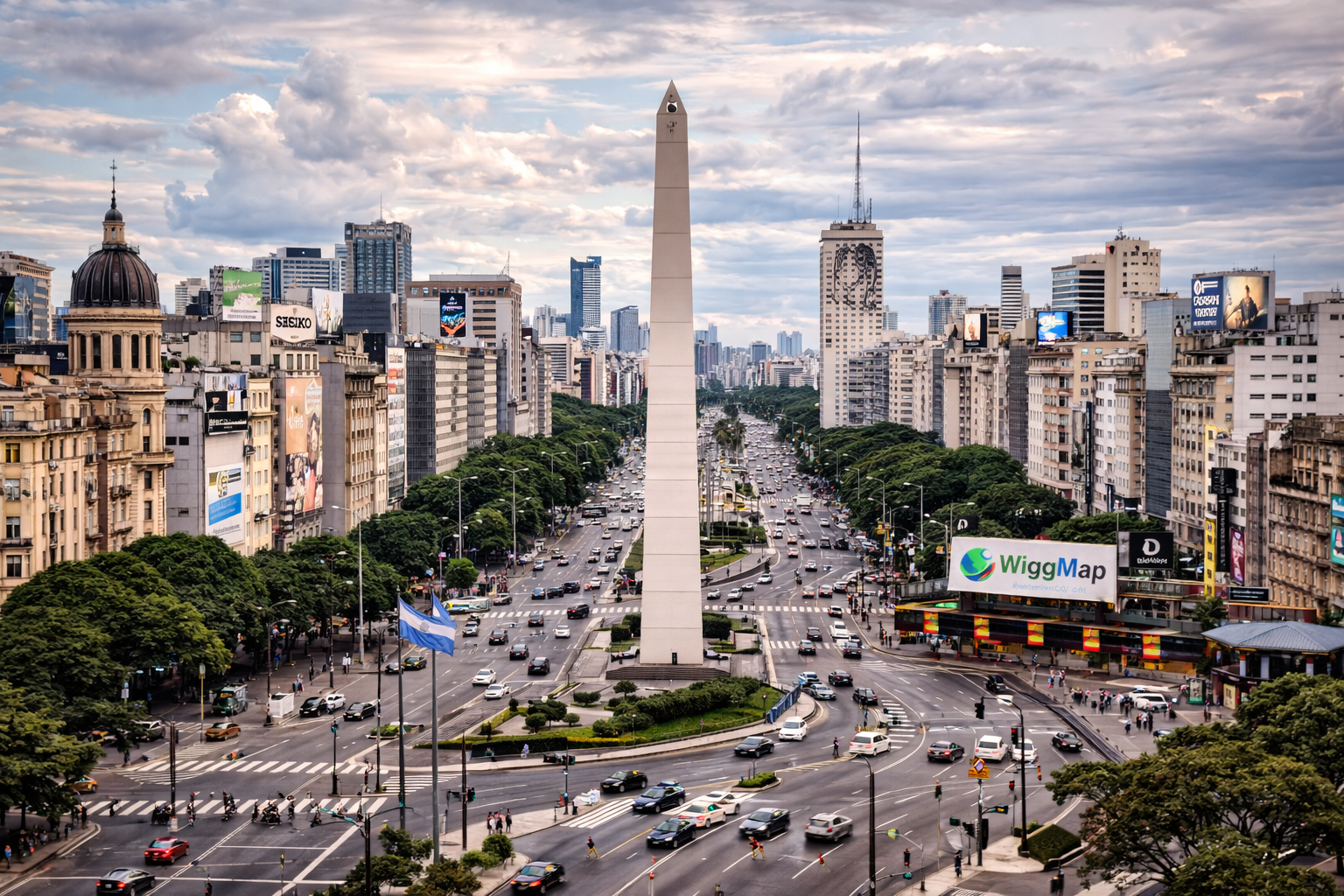
Argentina is South America's second-largest country, stretching from subtropical north to sub-Antarctic south. Buenos Aires, the sophisticated capital, concentrates culture, politics, and economic activity. The country blends European immigration heritage (especially Italian and Spanish) with indigenous and gaucho (cowboy) traditions. Economically, Argentina struggles with chronic inflation, currency instability, and debt cycles, but offers rich culture, excellent food and wine, stunning landscapes, and relatively affordable living for those with hard currency.
👥 People & vibe
With ~46 million people, Argentina's population is predominantly of European descent, particularly Italian and Spanish, with smaller indigenous and mestizo communities. Porteños (Buenos Aires residents) are known for being cultured, opinionated, and passionate about football, tango, and debate. The culture emphasizes social life — long dinners, late nights, and strong coffee. Spanish is the language, with a distinctive accent and slang (lunfardo). Argentines are generally welcoming but can be reserved initially. Psychoanalysis is surprisingly mainstream.
🌦️ Climate & landscape
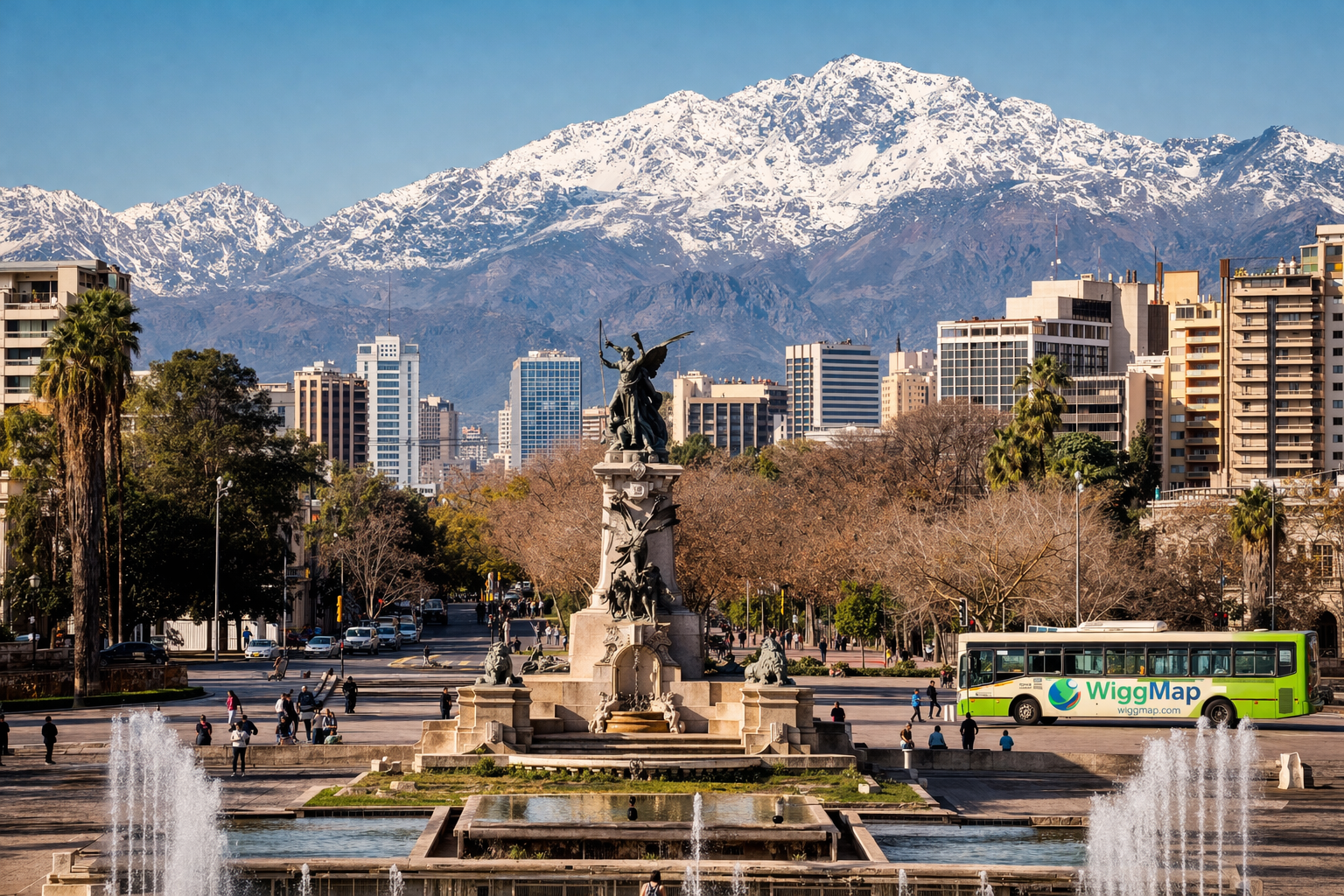
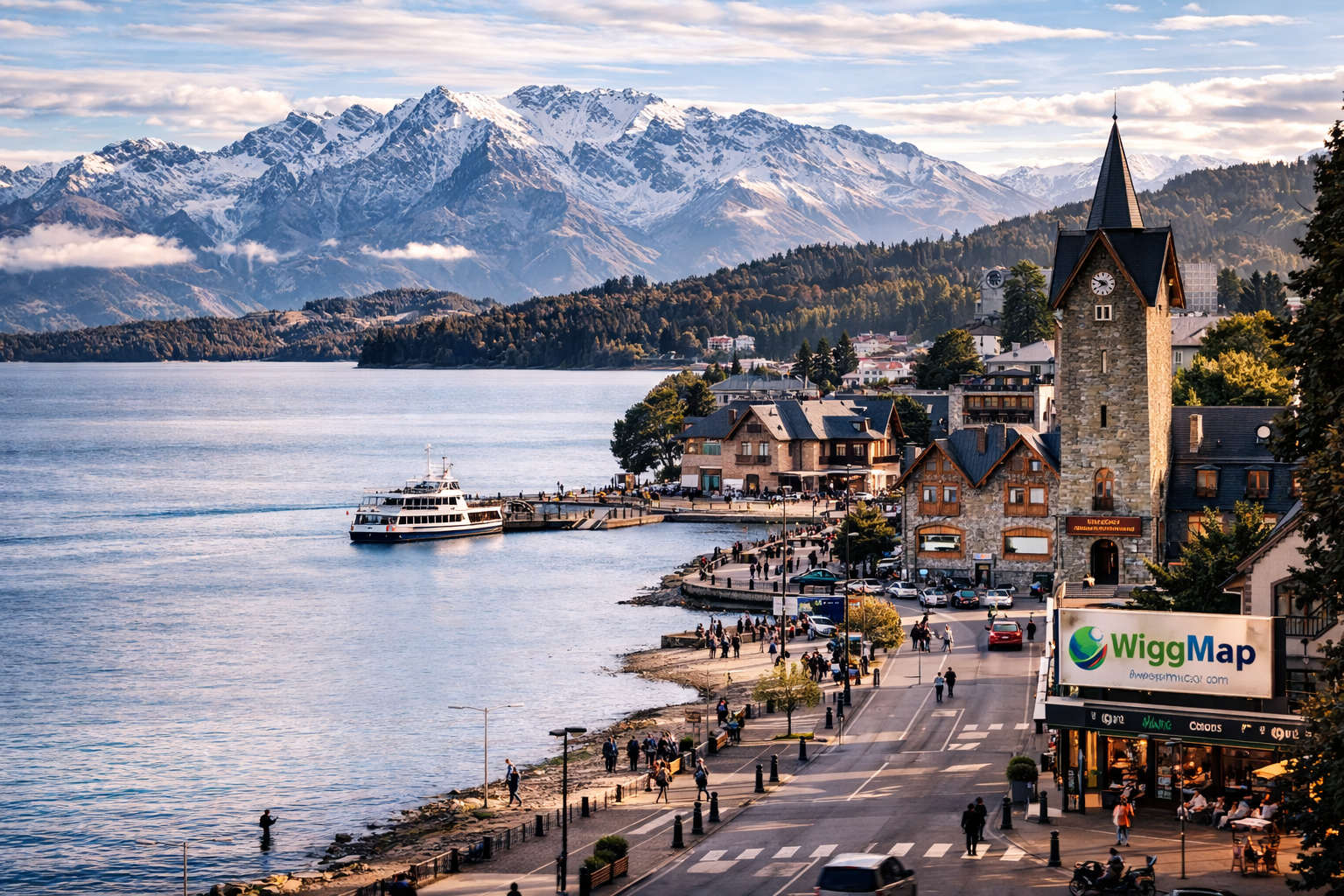
Climate varies dramatically by region: Buenos Aires has humid subtropical weather with hot summers and mild winters; Patagonia in the south is cold and windswept; the northwest is subtropical; Mendoza wine country is dry and sunny; and the Pampas grasslands are temperate. The country offers incredible diversity — Andes mountains, glaciers, wine valleys, beaches, rainforests, and endless plains. This geographic variety means you can choose your climate by relocating within the country.
🏠 Housing & settling in
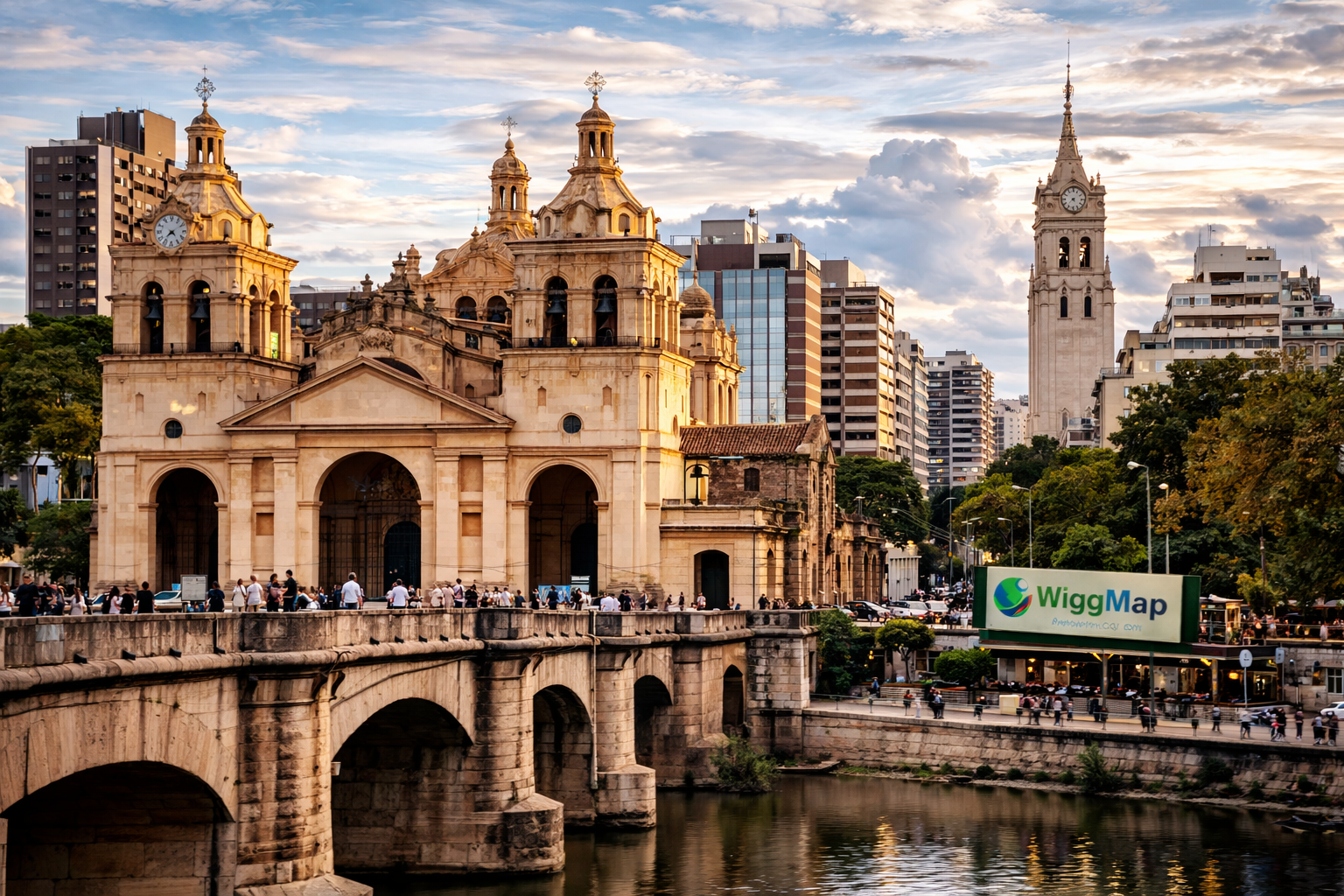
Buenos Aires rental market operates on temporary (short-term furnished) and permanent (long-term unfurnished) contracts. Permanent rentals traditionally required a garantía (guarantor who owns property in BA) but new laws have introduced alternatives. Deposits are typically 1 month. Neighborhoods like Palermo, Recoleta, and Belgrano attract expats. Quality varies — some beautiful classic buildings, others poorly maintained. Outside BA, cities like Mendoza, Córdoba, and Bariloche have smaller but functional markets. Costs are low in dollar terms but contracts may be in pesos subject to adjustment.
💼 Work & economy
The economy is in chronic crisis with high inflation (often 50-100%+ annually), currency devaluation cycles, and capital controls. For foreigners, opportunities exist in teaching English, tech (growing startup scene), remote work (taking advantage of peso weakness), tourism, and wine industry. Work permits require employer sponsorship or establishing a business. Many digital nomads and remote workers find Argentina attractive due to low costs in dollars. Salaries in pesos lose value quickly, so negotiating dollar-indexed pay or working for foreign clients is key.
🛂 Visa & entry
Most Western nationalities get 90-day tourist visas on arrival. For longer stays, options include rentista visa (proving passive income), work visa (employer-sponsored), or student visa. The process can be bureaucratic but is generally achievable. Many people renew tourist visas by border-hopping to Uruguay or Chile, though this has gray areas legally. Permanent residency is attainable after 2-3 years of temporary residence. Citizenship is possible after 2 years of continuous residence.
🏥 Healthcare
Argentina has both public and private healthcare systems. Public hospitals are free but often crowded and under-resourced. Private healthcare is excellent quality and very affordable by international standards — comprehensive insurance can cost $50-150/month. Buenos Aires has world-class private clinics and highly trained doctors (many trained abroad). Medical tourism is common from neighboring countries. Life expectancy is around 77 years. Prescription medications are relatively cheap.
🚗 Transport & mobility
Buenos Aires has an extensive public transport network: subway (subte), buses (colectivos), and trains. It's cheap but can be crowded. Taxis and rideshare apps are abundant. Outside BA, long-distance buses are comfortable and affordable for intercity travel — Argentina's bus network is excellent. Domestic flights connect major cities. Roads vary from good highways to rough rural tracks. Driving in BA is stressful; outside cities it's pleasant. Car ownership is feasible but not essential in BA.
🍛 Food note (national dish)
The national dish is Asado
: Argentine barbecue featuring various cuts of beef grilled over wood or charcoal. It's a social ritual, not just a meal — Sunday asados with family or friends are central to culture. Argentina's beef quality is world-renowned, and steak is a religion here.
🔎 Bottom line
Argentina works well for remote workers, retirees with foreign income, and those seeking European-style culture at developing country prices. The chronic economic instability is the main challenge — inflation, currency chaos, and unpredictability require financial savvy. If you can navigate the economic reality, Argentina offers incredible quality of life: world-class food and wine, rich culture, beautiful landscapes, and warm people. It's chaotic but charming.
Expat Score — 6.5 / 10