🧭 Overview
Brazil is South America's giant — the continent's largest country by size and population, covering nearly half of South America's landmass. Portuguese-speaking (only one in the Americas), it's a land of dramatic contrasts: Amazon rainforest, modern megacities, favelas alongside luxury condos, Carnival celebrations, and significant inequality. The economy is large and diversified (agriculture, manufacturing, services) but plagued by political instability, corruption, and inefficiency. Major cities like São Paulo, Rio de Janeiro, and Brasília offer cosmopolitan life, while vast interior regions remain underdeveloped. Brazilian culture is warm, expressive, and music-centered.
👥 People & vibe
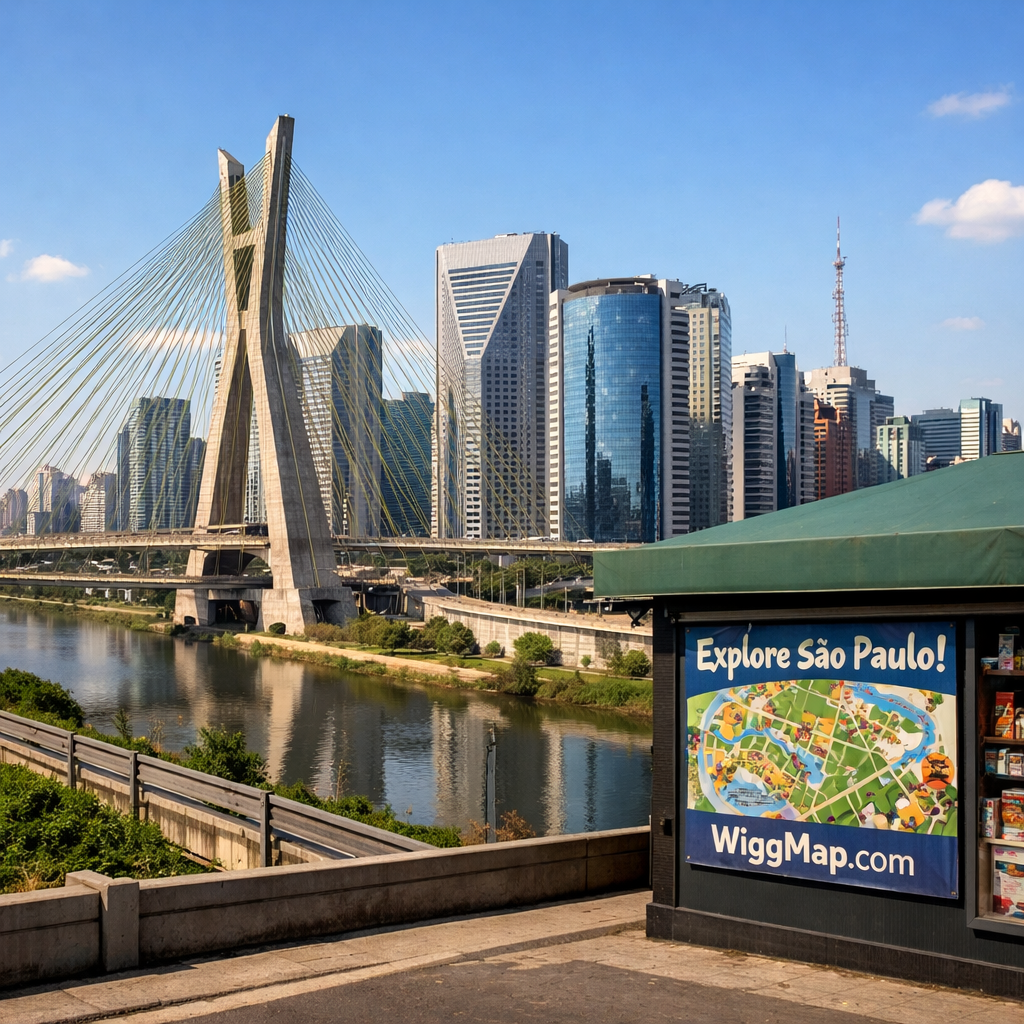
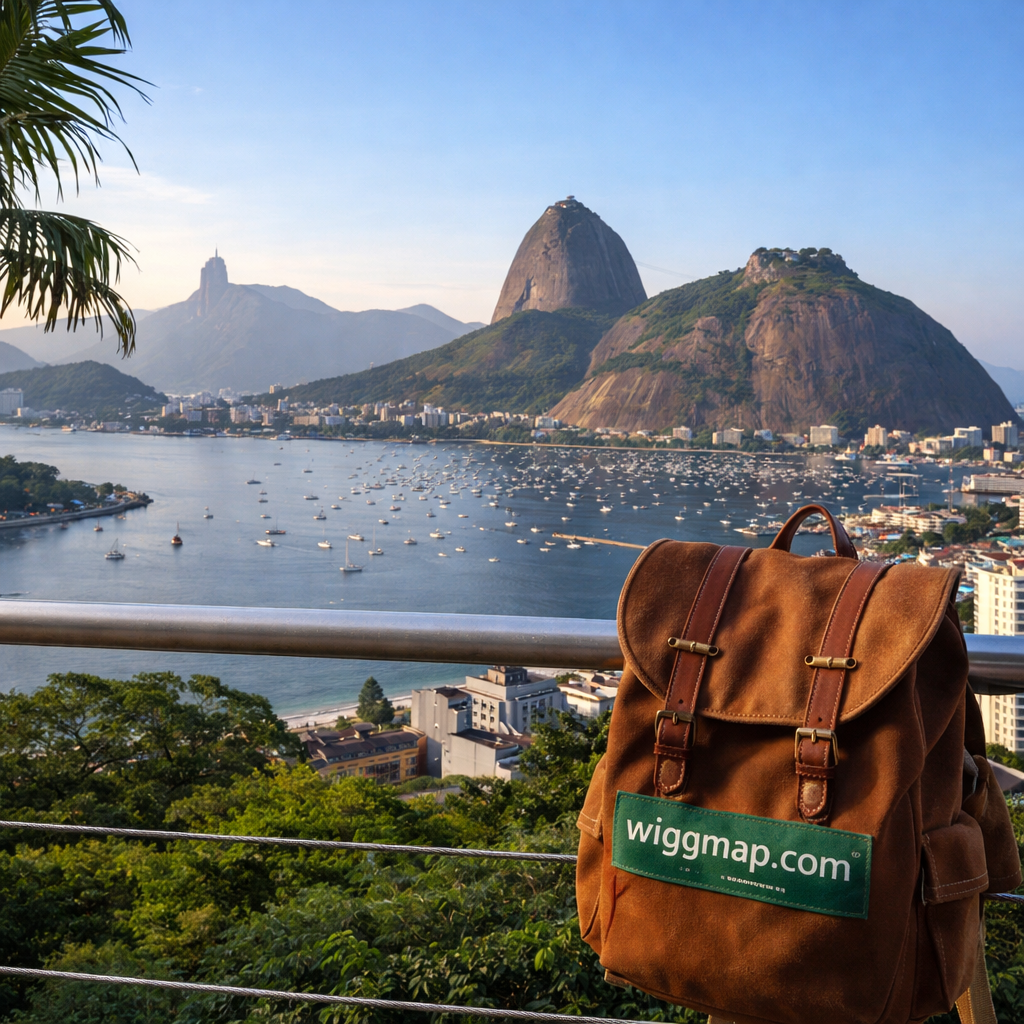
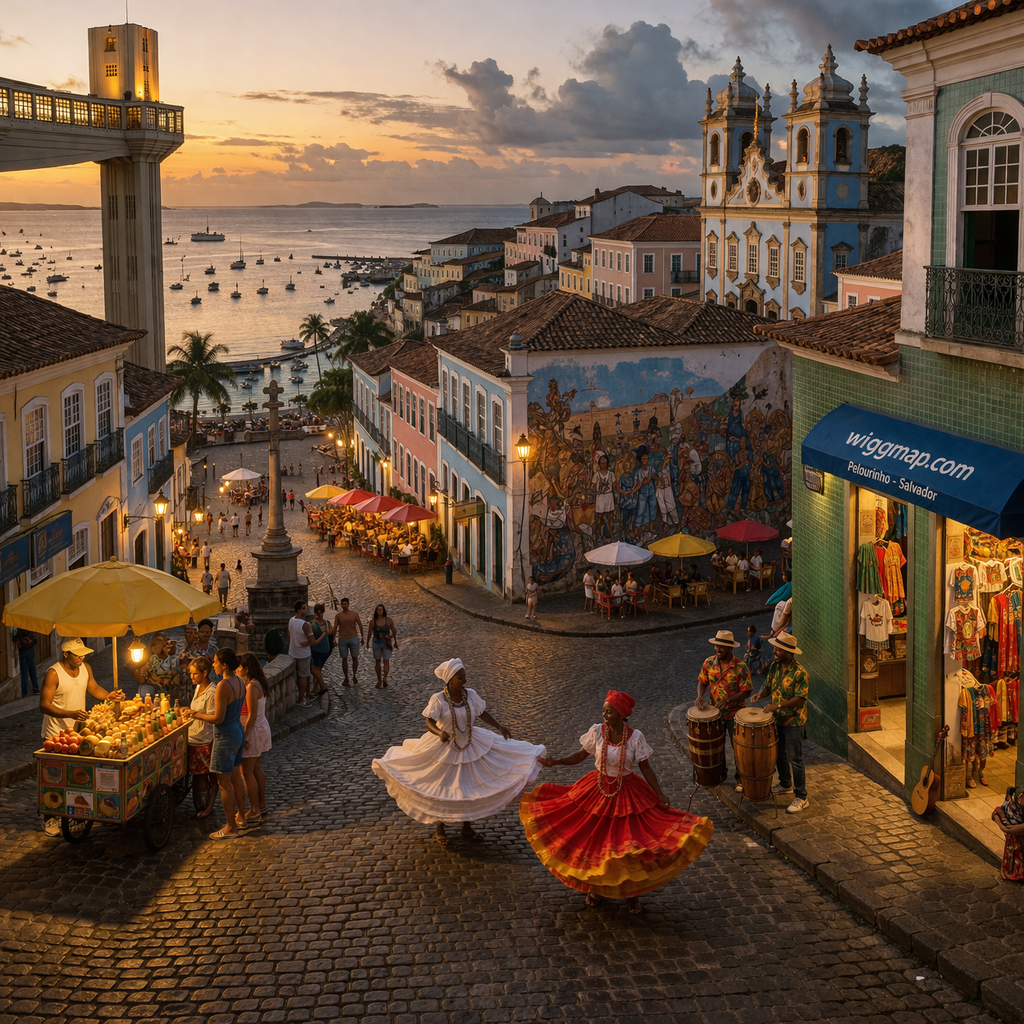
With ~215 million people, Brazil is ethnically diverse due to indigenous populations, Portuguese colonization, African slavery, and waves of European, Japanese, and Middle Eastern immigration. The culture is famously warm and outgoing — physical contact, expressiveness, and social engagement are norms. Football (soccer) is religion, and music (samba, bossa nova, funk carioca) pulses everywhere. Social inequality is stark and visible. Brazilians value relationships (jeitinho brasileiro — finding creative solutions), family, and celebration. The vibe varies: São Paulo is work-driven; Rio is beach and samba; Salvador is Afro-Brazilian culture; southern regions are more European-influenced.
🌦️ Climate & landscape
Climate varies dramatically by region: tropical in the north (Amazon), temperate in the south (cool winters), semi-arid in the northeast (sertão), and varied in the southeast. Rio and São Paulo have humid subtropical climate with hot, rainy summers (Dec-March) and mild winters. The landscape ranges from Amazon rainforest (world's largest), Pantanal wetlands (wildlife haven), Atlantic rainforest, savannas (cerrado), beaches spanning 7,500km of coastline, and southern highlands. Natural beauty is stunning and diverse.
🏠 Housing & settling in
Major cities have rental markets. São Paulo neighborhoods like Pinheiros, Vila Madalena, Jardins attract expats; Rio areas include Ipanema, Leblon, Botafogo. Expect 1 month deposit (caução) plus first/last month rent, often requiring local guarantor (fiador) or rental insurance. Condos (apartments in secured buildings) are common with doormen, pools, gyms. Quality varies wildly. Security concerns mean gated communities are popular. Rent in dollars terms is moderate but salaries are low. Contracts are typically 30 months (locação). Furnished options exist but are pricier.
💼 Work & economy
Brazil has a large, diversified economy but suffers from bureaucracy, corruption, and inequality. Key sectors: agribusiness (soybeans, beef, sugar), manufacturing (automotive, aerospace), services, oil/gas, and tech (growing startup scene). For foreigners, opportunities exist in multinationals, tech companies, teaching English, NGOs, or startups. Work visas require employer sponsorship and extensive documentation (notarized, translated). The process is slow and bureaucratic. Salaries for skilled professionals are decent in local terms but modest internationally. Labor laws are protective but create rigidity. Taxes are complex. Portuguese fluency is essential.
🛂 Visa & entry
Visa requirements vary. Many nationalities (US, Canada, Australia, Japan) need visas obtained before arrival. EU citizens, UK, and some others can enter visa-free for 90 days. For longer stays, work visas (VITEM V) require employer sponsorship and extensive documentation. Digital nomad visa launched but bureaucratic. Permanent residency (VIPER) options include marriage, investment ($150k+), or retirement with pension income. The process is notoriously bureaucratic. Citizenship requires 4 years residence (1 if married to Brazilian), Portuguese proficiency, and no criminal record.
🏥 Healthcare
Brazil has universal public healthcare (SUS) that's free but overcrowded, under-resourced, and varies in quality. Private healthcare is excellent in major cities — modern facilities, highly trained doctors, and affordable by US standards. Plans cost $50-200/month. Many expats and middle-class Brazilians use private system. Life expectancy is ~76 years. Tropical diseases (dengue, Zika, yellow fever) are risks in some areas. Medical tourism is growing — Brazil is known for cosmetic surgery.
🚗 Transport & mobility
São Paulo has metro, buses, and trains but is infamous for traffic — commutes can take hours. Rio has metro and buses. Both cities have ride apps (Uber, 99). Driving is chaotic and aggressive; parking is challenging. Intercity travel: buses are extensive and affordable; domestic flights connect major cities (GOL, LATAM, Azul). Roads vary from modern highways to dangerous rural tracks. The country is massive — São Paulo to Manaus is 4,000km. International flights go through São Paulo (GRU) or Rio (GIG).
🍛 Food note (national dish)
The national dish is Feijoada
: black bean stew with pork (various cuts including sausage, ribs, bacon) served with rice, farofa (toasted cassava flour), collard greens, and orange slices. Traditionally eaten for Saturday lunch, it's heavy, flavorful, and central to Brazilian culinary identity. Regional cuisines vary dramatically.
🔎 Bottom line
Brazil suits those drawn to vibrant culture, natural beauty, music and dance, and social warmth. It offers cosmopolitan cities, incredible nature (Amazon, beaches), and growing economy. However, high crime rates (especially violent crime in cities), political instability, currency volatility, stark inequality, bureaucracy, and corruption create serious challenges. It's not for the risk-averse or those prioritizing order and efficiency. If you can handle chaos, accept security concerns, and love social energy, Brazil is intoxicating. But it's exhausting and sometimes dangerous.
Expat Score — 6.5 / 10