


🧭 Overview
Colombia is South America's third-most-populous nation, emerging from decades of armed conflict (FARC, paramilitaries, drug cartels) into a period of relative peace and economic growth. The 2016 peace deal with FARC rebels was major milestone, though violence persists in rural areas. The country offers incredible geographic diversity — Caribbean coast, Pacific coast, Andes mountains, Amazon rainforest, and coffee region. Major cities (Bogotá, Medellín, Cali, Cartagena) are vibrant and modernizing. Colombia is increasingly popular with digital nomads due to low costs, improving security, warm people, and good internet. However, inequality, corruption, and ongoing security issues remain.
👥 People & vibe
With roughly 52 million people, Colombia is ethnically diverse: mestizo (~49%), white (~37%), Afro-Colombian (~10%), indigenous (~4%). Spanish is spoken with various regional accents. The culture is warm, expressive, and social — Colombians are famously friendly and welcoming. Music (salsa, vallenato, reggaeton) and dance are central. Family ties are strong. Regional identities matter — Bogotá is intellectual and formal; Medellín is innovative and proud (paisa culture); Cali is salsa capital; coast is Afro-Caribbean. The vibe is lively, optimistic, and entrepreneurial after emerging from dark decades.
🌦️ Climate & landscape
Climate varies by altitude (Colombia straddles equator so temperature is determined by elevation): hot lowlands (coast, Amazon); temperate eternal spring (Medellín, coffee region); cool highlands (Bogotá at 2,600m). No real seasons — rain patterns vary. The landscape is spectacularly diverse — snow-capped Andes, Caribbean beaches, Pacific rainforest, coffee plantations, Amazon jungle, and Los Llanos plains. Natural beauty is stunning but infrastructure to access it varies. Biodiversity is among world's highest.
🏠 Housing & settling in
Major cities have rental markets. Bogotá neighborhoods like Chapinero, Usaquén, and La Candelaria attract expats; Medellín's Poblado and Laureles are popular. Expect 1-2 months deposit and 6-12 month contracts. Rents are cheap ($300-800/month for nice apartments). Quality varies — newer buildings are modern with security; older ones less so. Furnished options are common for short-term. Registration is not strictly enforced but recommended. Buying property is allowed for foreigners. Most expat housing has security guards and gated compounds.
💼 Work & economy
The economy relies on oil, coffee, flowers, manufacturing, and growing services/tech. For foreigners, opportunities exist in teaching English, tech/startups (Medellín especially), tourism, NGOs, or remote work (Colombia actively courts digital nomads). Work visas require employer sponsorship. Salaries are low by US/EU standards but costs match. Digital nomad visa makes remote work easier. Spanish proficiency is essential for most jobs. Entrepreneurship is growing, especially in Medellín. Corruption affects business. Income inequality is stark.
🛂 Visa & entry
Many nationalities (US, EU, UK, Canada) get 90-day tourist visa on arrival (can extend once for 90 more days). For longer stays, options include work visa (employer-sponsored), digital nomad visa (launched 2022, requires remote income proof), or investor visa. The process is manageable but bureaucratic. Permanent residency (Resident visa) requires 5 years continuous temporary residence. Citizenship possible after 5 years residence plus Spanish test. The system is improving and becoming more foreigner-friendly.
🏥 Healthcare
Healthcare has public (EPS) and private systems. Public is free/low-cost but crowded. Private healthcare is excellent quality at very affordable prices — comprehensive insurance can cost $50-150/month. Bogotá and Medellín have world-class private hospitals. Medical tourism is growing. Dentistry and plastic surgery are particularly affordable. Life expectancy is ~78 years. Tropical diseases (dengue, Zika) are risks in lowlands. International or local private insurance recommended.
🚗 Transport & mobility
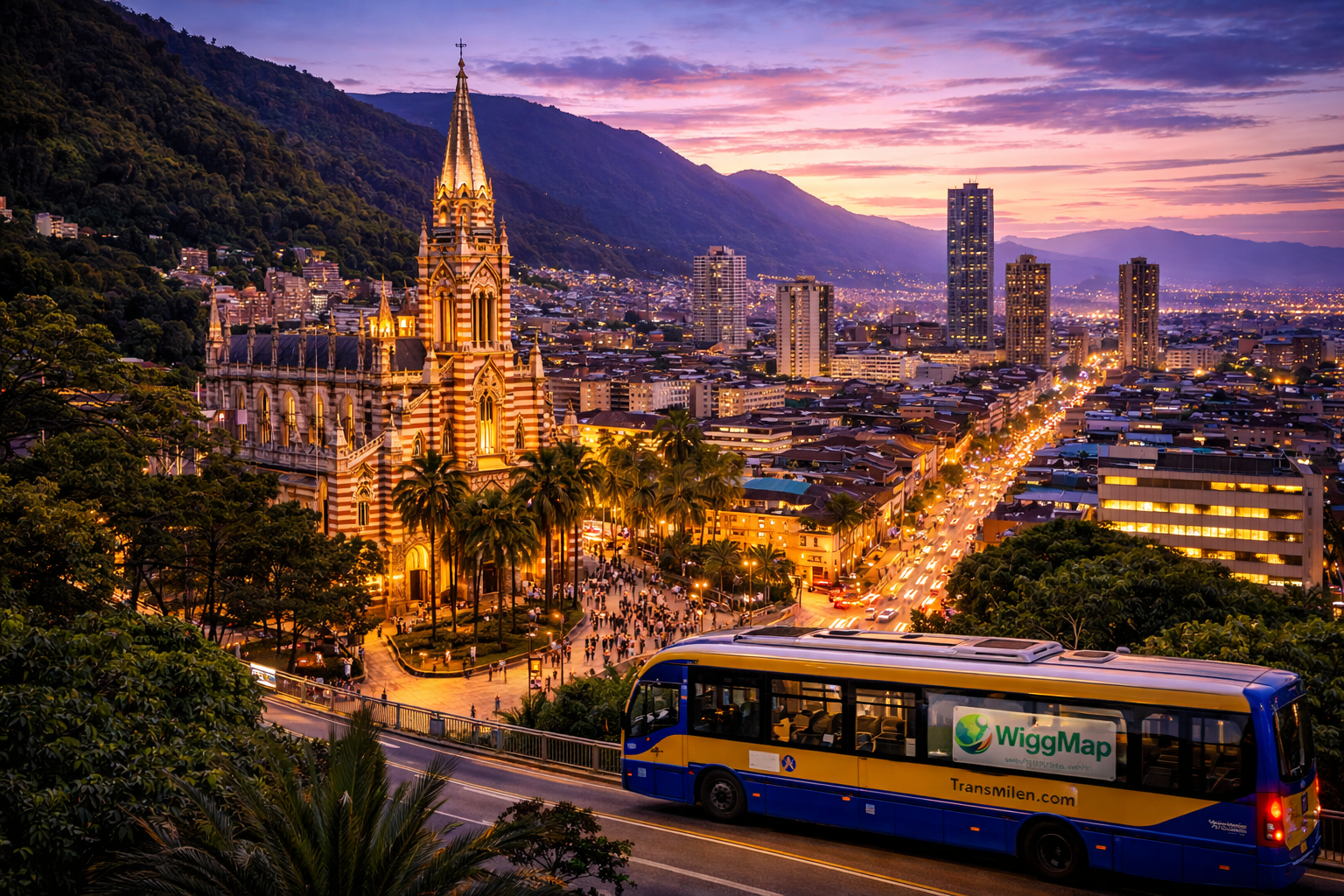
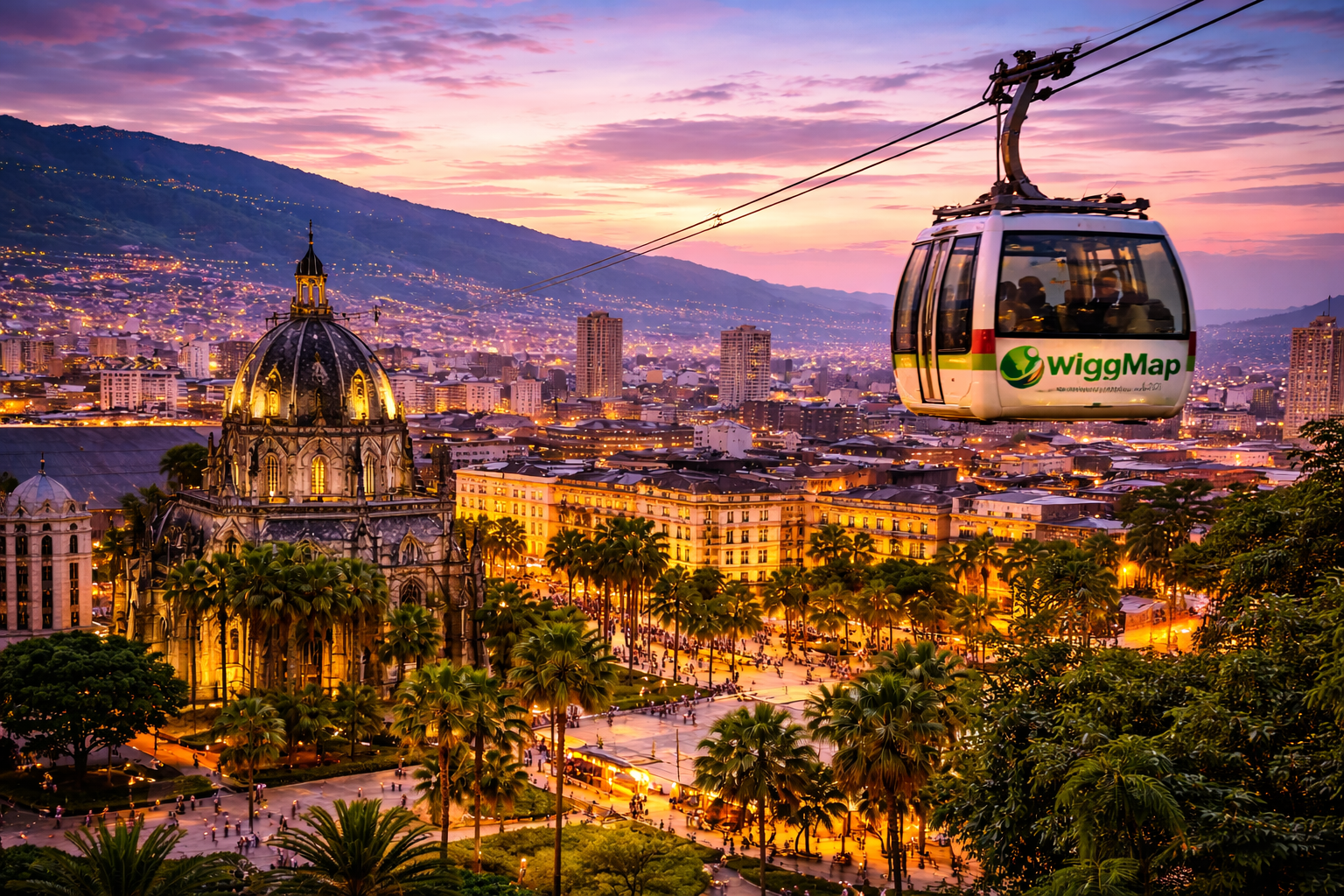
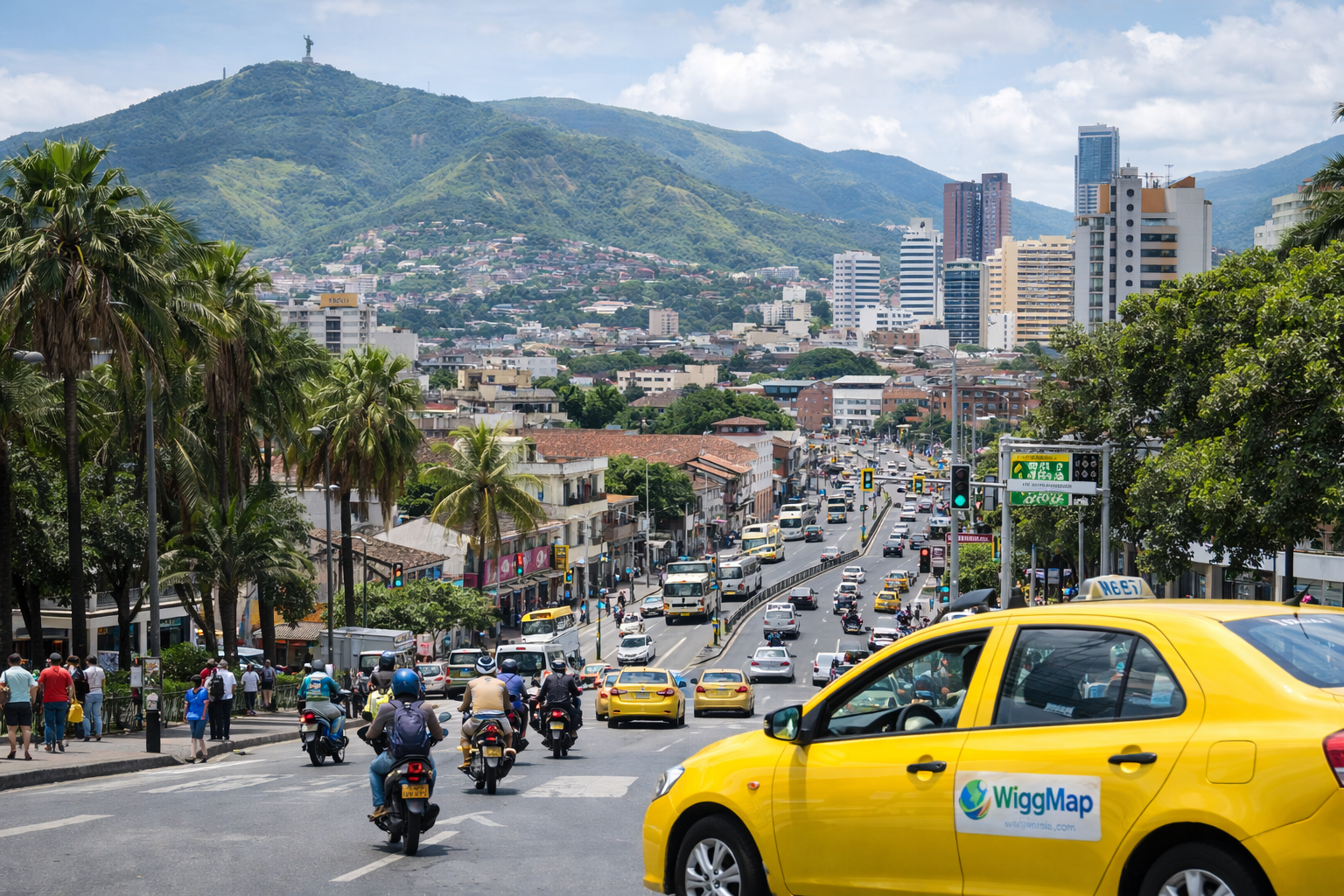
Bogotá has TransMilenio (BRT system), though overcrowded. Medellín has modern metro, cable cars, and bike infrastructure. Traffic is terrible in major cities. Ride apps (Uber, though legally gray; Didi) are ubiquitous. Intercity buses connect cities affordably. Domestic flights are common (Bogotá to Cartagena 1.5hr flight vs 20+ hours bus). Roads vary from decent highways to dangerous mountain passes. Driving in cities is stressful. Bogotá's El Dorado Airport connects to US, Europe, and Latin America.
🍛 Food note (national dish)
The national dish is Bandeja Paisa
: hearty platter from Antioquia (Medellín region) with beans, rice, ground beef, chicharrón (fried pork belly), chorizo, fried egg, plantain, avocado, and arepa. It's massive, caloric, and represents paisa (Antioquian) identity and hospitality.
🔎 Bottom line
Colombia suits digital nomads (low costs, digital nomad visa, good internet, cafés), Spanish learners, adventure travelers, retirees on modest budgets, and those seeking vibrant culture. Pros: affordable, friendly people, improving security, coffee culture, natural beauty, and eternal spring climate (Medellín). Cons: lingering security issues (especially rural areas), corruption, inequality, traffic chaos, and stereotypes (drug cartels). Colombia has transformed dramatically and offers excellent value. If you can handle occasional chaos and security awareness, it's one of South America's best options.
Expat Score — 7.0 / 10