🧭 Overview
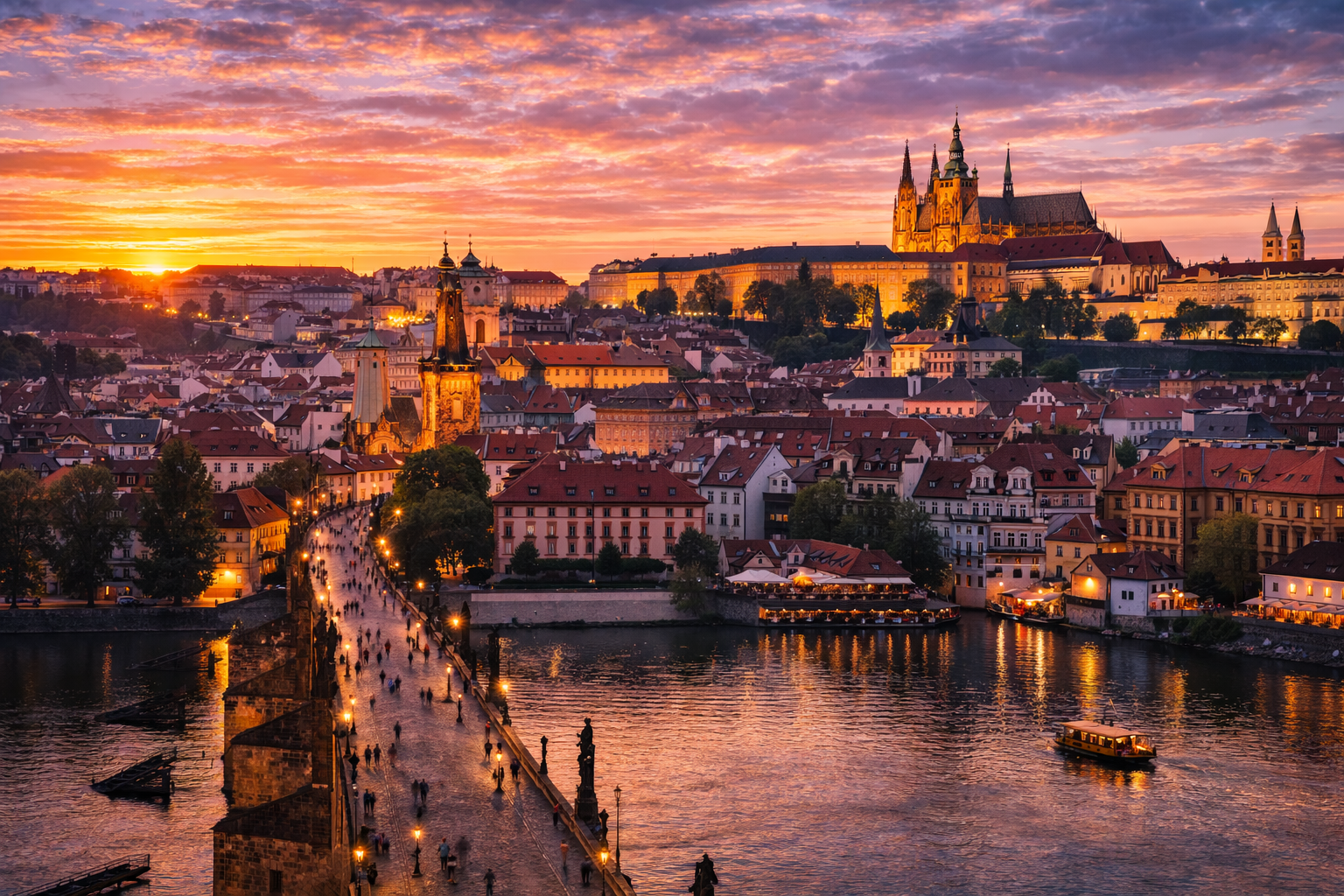
The Czech Republic (Czechia officially since 2016) is a Central European nation that peacefully separated from Slovakia in 1993's 'Velvet Divorce.' Prague, the fairy-tale capital, is one of Europe's most beautiful cities with Gothic architecture, medieval streets, and thriving expat community. The country successfully transitioned from communism to market economy and joined EU in 2004. Known for beer culture (highest consumption per capita globally), castles, and industrial heritage. The economy is strong and diversified — automotive, manufacturing, tech, and services. Czech Republic offers Central European culture, safety, and affordability (though Prague is expensive by regional standards).
👥 People & vibe
With roughly 10.5 million people, the population is ~95% ethnic Czech with Slovak, Ukrainian, Vietnamese, and other minorities. Czech language is Slavic and challenging for foreigners. English is spoken by youth and in Prague but limited elsewhere. The culture is reserved, direct, and somewhat cynical (Central European dryness). Czechs value privacy, order, and skepticism. Beer culture is serious — pubs are social hubs. The vibe is orderly but less rigid than Germany. Prague is cosmopolitan and touristy; smaller cities like Brno, Plzeň are more authentic. History (Habsburg Empire, Nazi occupation, communism) shapes worldview.
🌦️ Climate & landscape
Expect continental climate: warm summers (20-28°C), cold winters with snow (-5 to 5°C), and pleasant spring/fall. The landscape is rolling hills, forests (37% forested), river valleys (Vltava, Elbe), and low mountains (Krkonoše, Šumava). Bohemia (west) and Moravia (east) have distinct identities. Hundreds of castles dot the countryside. Air quality in Prague can be poor in winter. Natural beauty is accessible — hiking, cycling are popular.
🏠 Housing & settling in
Prague's rental market is tight and expensive for foreigners. Popular districts include Prague 1-10, with Vinohrady, Žižkov, and Holešovice attracting expats. Expect 1-2 months deposit and annual contracts. Rents in Prague: €700-1,500/month. Outside Prague, cities like Brno are significantly cheaper. Quality is generally good — renovated Habsburg-era buildings charm; communist-era paneláks (panel blocks) are functional but soulless. Registration (hlášení pobytu) is mandatory. Buying property is allowed for foreigners. Czech bureaucracy is legendary — patience required.
💼 Work & economy
The economy is strong and export-oriented: automotive (Škoda is major employer), manufacturing, tech (growing startup scene), and services. For EU citizens, free movement applies. Non-EU need work permits through employer sponsorship. Opportunities exist in tech, teaching English, multinationals, or startups. Salaries are rising but still below Western Europe (€1,200-2,500/month average). Prague has vibrant startup scene. Work-life balance is valued. Czech language proficiency greatly helps career but English works in tech/international companies. Unemployment is very low.
🛂 Visa & entry
EU/EEA/Swiss citizens have free movement rights. Non-EU citizens can visit Schengen zone for 90 days in 180 days. For longer stays, options include work permits (employer-sponsored), business visa, student visa, or family reunion. Blue Card for highly skilled available. The bureaucracy is infamous — expect delays, unclear requirements, and frustration. Permanent residence possible after 5 years. Citizenship requires 10 years residence (5 if married to Czech), Czech language proficiency, and renouncing other citizenships (usually).
🏥 Healthcare
Healthcare is universal through mandatory insurance. Quality is good — well-trained doctors, modern facilities, comprehensive coverage. Public hospitals can be crowded but functional. Private clinics offer faster service. Prescription drugs are affordable. Life expectancy is ~79 years. Dental care is excellent value. Medical tourism (especially dental) is common from UK/Ireland. EU citizens use EHIC. Expats praise Czech healthcare quality relative to cost.
🚗 Transport & mobility
Prague has excellent public transport: metro (3 lines), trams, buses — efficient, punctual, affordable (~€500/year annual pass). Most Praguers don't need cars. Intercity trains connect cities efficiently — České dráhy operates extensive network. Roads are good. Driving in Prague is stressful and unnecessary. Highway vignette required for motorways. Václav Havel Airport connects Prague to European cities and some long-haul. Czechs cycle extensively — infrastructure is improving.
🍛 Food note (national dish)
The national dish is Svíčková
: beef sirloin in creamy vegetable sauce (carrots, celery, parsnip) served with bread dumplings (knedlíky), cranberry sauce, and whipped cream. It's hearty Central European comfort food. Czech cuisine is meat-heavy with dumplings, sauerkraut, and rich sauces. Beer accompanies every meal.
🔎 Bottom line
Czech Republic suits EU professionals seeking lower costs than Western Europe, digital nomads (good internet, cafés, affordable), beer lovers, history enthusiasts, and tech workers. Pros: safety, beautiful architecture (Prague especially), excellent beer, good healthcare, central location, and improving economy. Cons: Czech language barrier, bureaucracy, reserved culture, Prague overtourism, and gray winters. It's great value for Central European experience. Prague is stunning but touristy; smaller cities offer authenticity. Best for those who can handle bureaucracy and don't need constant sunshine.
Expat Score — 7.5 / 10