🧭 Overview
Iceland is a volcanic island in the North Atlantic between Europe and North America, offering dramatic landscapes (glaciers, volcanoes, geysers, waterfalls), Viking heritage, and high quality of life. Reykjavik, the tiny capital, is the world's northernmost capital. The economy relies on fishing, aluminum smelting, tourism (boomed after 2010), and renewable energy. Iceland suffered severe banking collapse (2008) but recovered remarkably. The country offers safety, gender equality, unique nature, and strong social welfare, but also extreme costs, isolation, harsh weather, and small society where everyone knows everyone.
👥 People & vibe
With roughly 380,000 people (smaller than many cities), Iceland is ethnically homogeneous (~93% Icelandic) with recent immigrant communities (Polish, Lithuanians). Icelandic language is ancient Norse (closest to Old Norse) and preserved carefully. English proficiency is excellent. The culture values independence, egalitarianism, and nature. Icelanders are friendly but reserved, proud but self-deprecating. The vibe is Nordic orderly meets frontier pragmatism. Reykjavik is artsy and quirky; outside is sparse. Genealogy matters — everyone is related somehow. Midnight sun in summer; polar night in winter.
🌦️ Climate & landscape
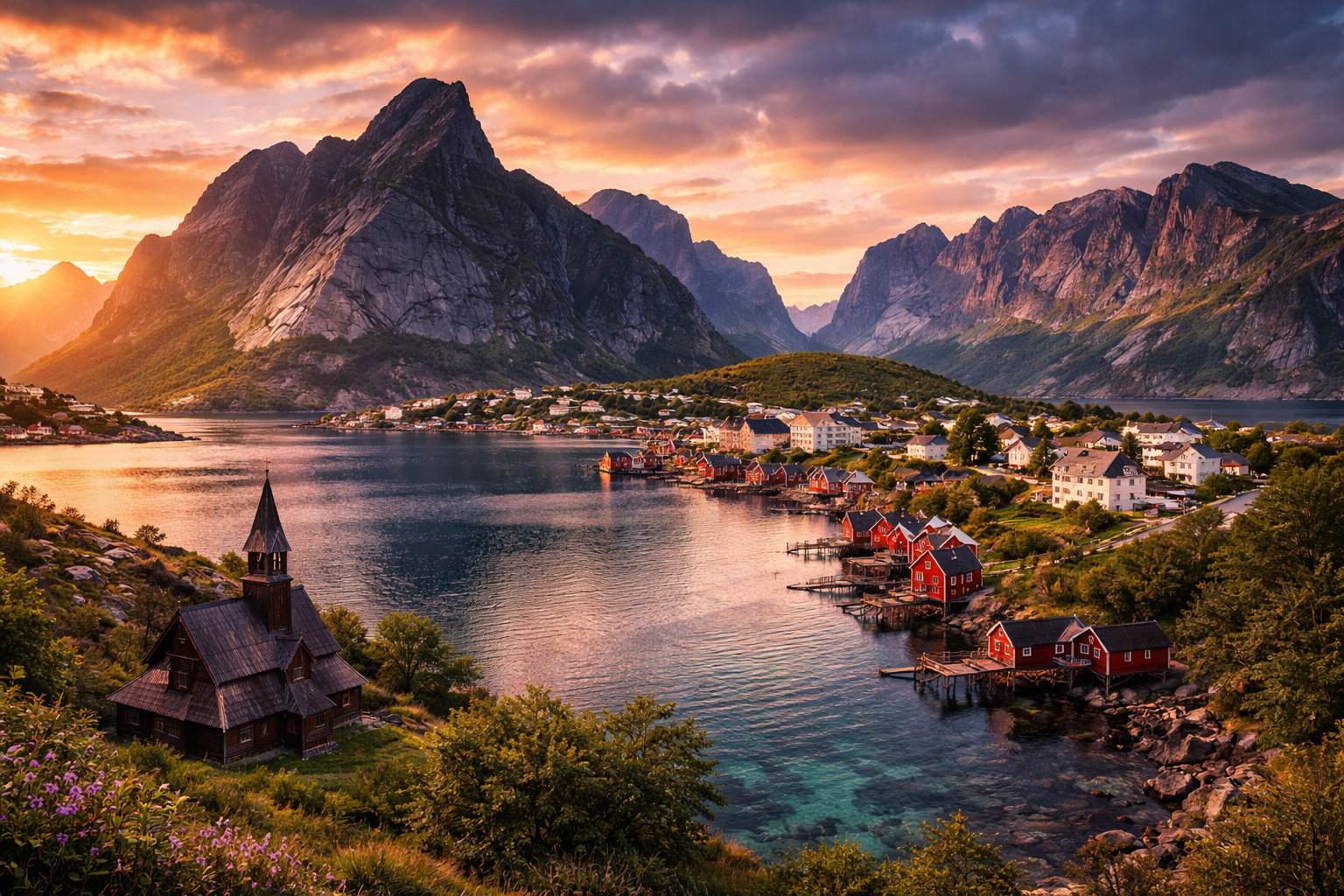
Expect subarctic/oceanic climate: cool summers (10-15°C), mild winters for latitude (0 to -5°C due to Gulf Stream), constant wind, and frequent rain/snow. Weather changes rapidly. Winter has 4-5 hours daylight; summer has midnight sun. The landscape is volcanic — active volcanoes, geysers (Geysir gave the word), hot springs, glaciers (10% of land), lava fields, and dramatic waterfalls. No trees (deforested by Vikings). Natural beauty is otherworldly and stark. Northern lights in winter. Earthquakes are common.
🏠 Housing & settling in
Reykjavik has severe housing shortage. Expect 1-2 months deposit and competition. Rents are extremely expensive: ISK 200,000-400,000/month (€1,300-2,600). Quality is good — well-insulated for climate, geothermal heating. Most apartments are small. Outside Reykjavik, options are very limited. Akureyri (north) is second 'city' (18K people). Buying property is possible but expensive. Registration is mandatory. The market is tight due to tourism Airbnb boom. Geothermal heating means warm houses despite cold.
💼 Work & economy
The economy is based on fishing, aluminum smelting (cheap geothermal energy), tourism, and services. For foreigners, opportunities exist in tourism, healthcare (nursing shortage), skilled trades, or tech. Work permits require employer sponsorship showing no qualified Icelander available. EU/EEA/Nordic citizens have easier access. Salaries are good but taxes are 30-46%. Cost of living is among world's highest. Icelandic language proficiency is expected for integration. Labor shortages exist in some sectors. Gender pay gap is illegal (first country to mandate pay equality).
🛂 Visa & entry
EU/EEA/Nordic citizens have free movement rights (though Iceland is not EU, it's Schengen/EEA). Others can visit 90 days in 180 days. For longer stays, work permits require job offer. The process is digital but strict. Permanent residence requires 4 years continuous residence. Citizenship requires 7 years residence, Icelandic proficiency, and passing tests. Naturalization is challenging due to language and small community. Population is protective of culture.
🏥 Healthcare
Healthcare is universal and tax-funded. Quality is excellent — modern facilities, well-trained doctors. However, limited specialists due to small population. Complex cases may require treatment abroad (often Copenhagen or London). Life expectancy is ~83 years, among world's highest. Maternity care is excellent. Mental health services available. Darkness affects mental health. Prescription drugs are subsidized. No private healthcare really — everyone uses public system.
🚗 Transport & mobility
Reykjavik has buses but most people drive. The country has one main Ring Road (Route 1) circling the island. Driving is essential outside capital. Roads can be dangerous in winter — ice, wind, darkness. F-roads (mountain roads) are 4WD only and closed in winter. Domestic flights connect to Akureyri and small towns. Keflavik International Airport (45 min from Reykjavik) connects to Europe and North America. No trains exist. Cycling possible in summer but infrastructure is limited.
🍛 Food note (national dish)
There's no single national dish but Hákarl (fermented shark)
is infamous: Greenland shark buried underground for months, ammonia smell, acquired taste. More palatable: Lamb Soup
or Skyr
(thick yogurt). Icelandic cuisine is historically survival-based — fermented, dried, smoked. Modern cuisine is excellent. Hot dogs (pylsur) from Bæjarins Beztu are beloved.
🔎 Bottom line
Iceland suits nature lovers, adventure seekers, Nordic culture enthusiasts, and those prioritizing quality of life and safety over affordability. Pros: stunning nature, safety (virtually no crime), gender equality, clean energy, strong social welfare, and unique culture. Cons: extremely expensive (world's highest costs), isolation, harsh weather, darkness in winter, and small society (limited anonymity, everyone related). The 2008 banking collapse showed vulnerability but recovery was impressive. Best for those with high-paying jobs or EEA citizenship. Icelandic language is barrier but essential for integration. If you can afford it and handle darkness, Iceland is magical but challenging.
Expat Score — 7.0 / 10