


🧭 Overview
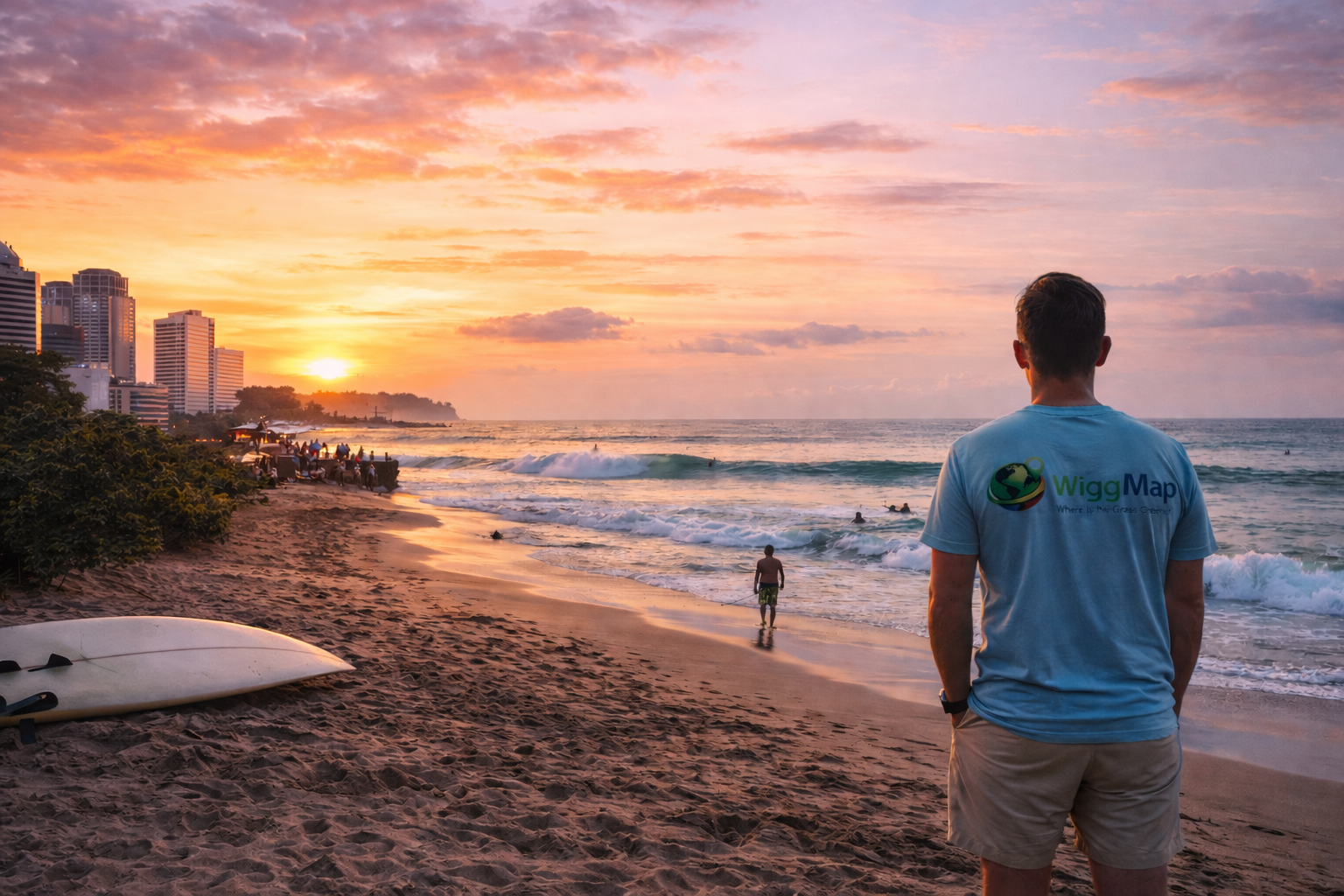
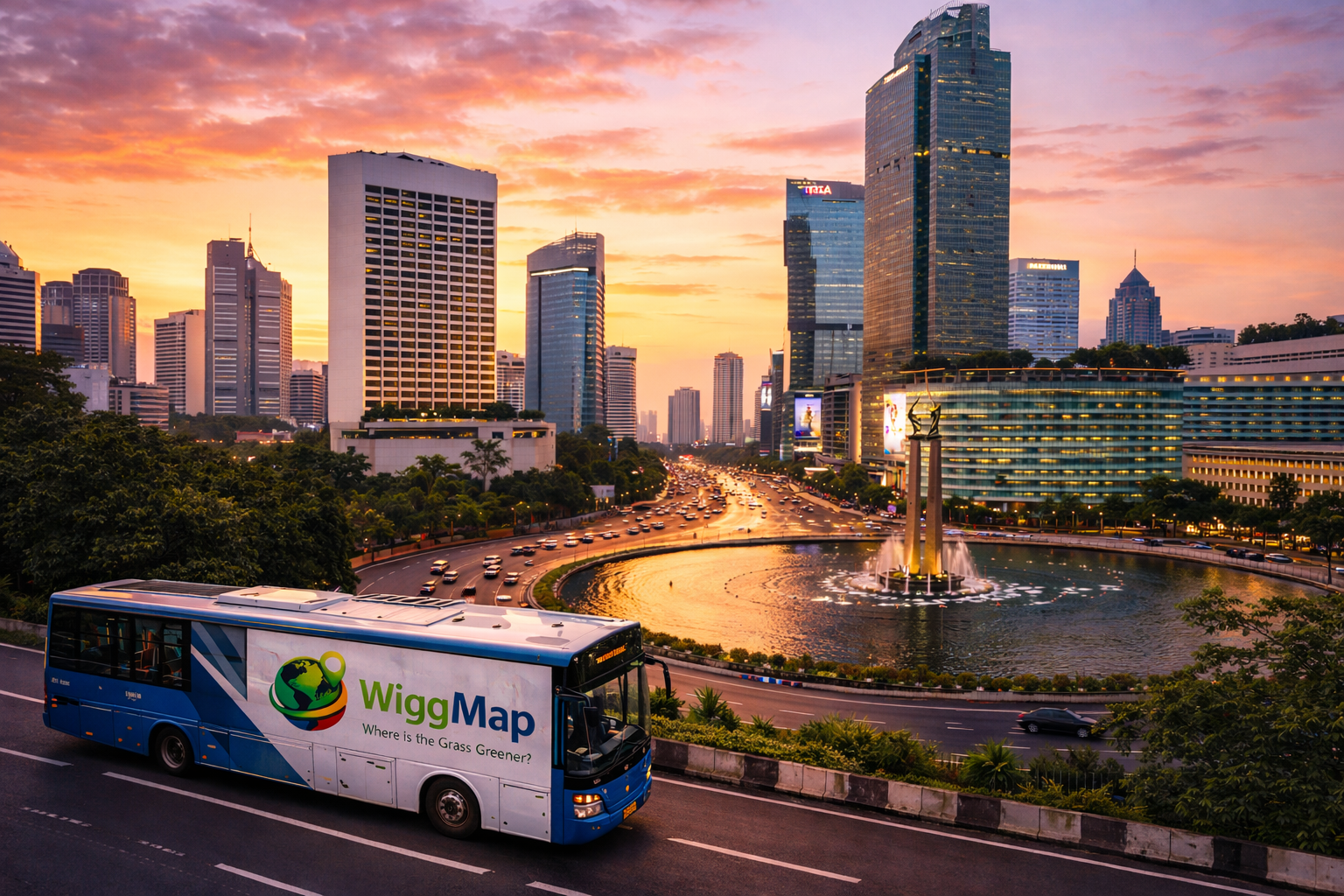
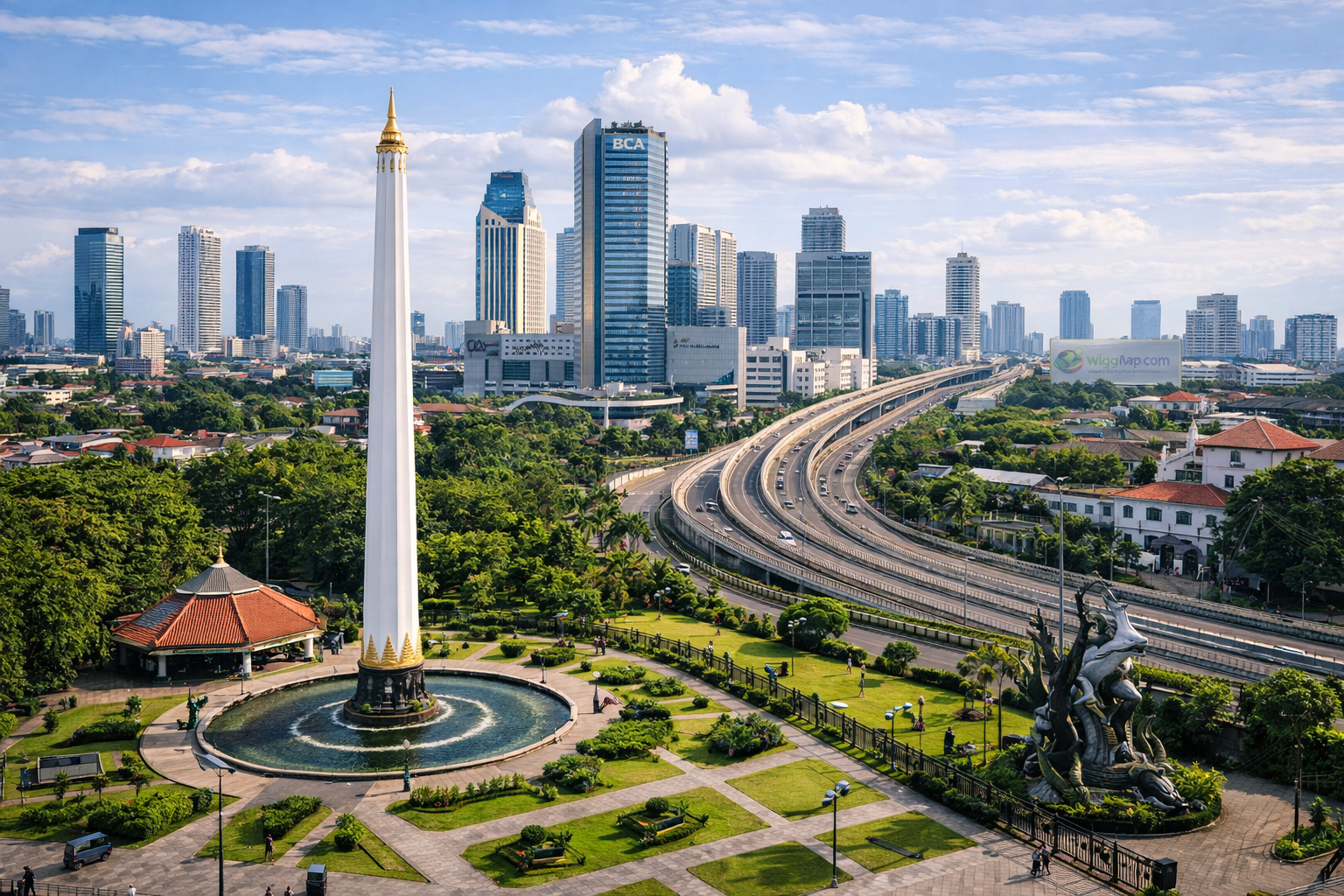
Indonesia is the world's largest archipelago nation (17,000+ islands), fourth most populous, and largest Muslim-majority country. It spans three time zones from Sumatra to Papua. Jakarta, the sinking capital (being replaced by Nusantara in Borneo), is chaotic megacity. Bali is tourism magnet attracting digital nomads and surfers. The economy is diverse: palm oil, coal, manufacturing, and services. Indonesia offers tropical islands, rich culture, affordability, and growing opportunities. However, corruption, traffic chaos (Jakarta is world's worst), pollution, natural disasters (earthquakes, tsunamis, volcanoes), and bureaucracy create challenges.
👥 People & vibe
With ~275 million people across 17,000+ islands, Indonesia is ethnically diverse: Javanese (~40%), Sundanese (~15%), plus 300+ ethnic groups. Bahasa Indonesia is national language (relatively easy to learn). English is spoken in business and tourism. Islam dominates (~87%) but Bali is Hindu, Papua is Christian, and diversity exists. The culture emphasizes community (gotong royong), harmony, and respect. Indonesians are generally friendly, hospitable, and indirect (avoiding confrontation). The vibe varies: Jakarta is hustle; Bali is tourist/expat bubble; Yogyakarta is cultural; Sumatra is adventure. Traffic and pollution are constants.
🌦️ Climate & landscape
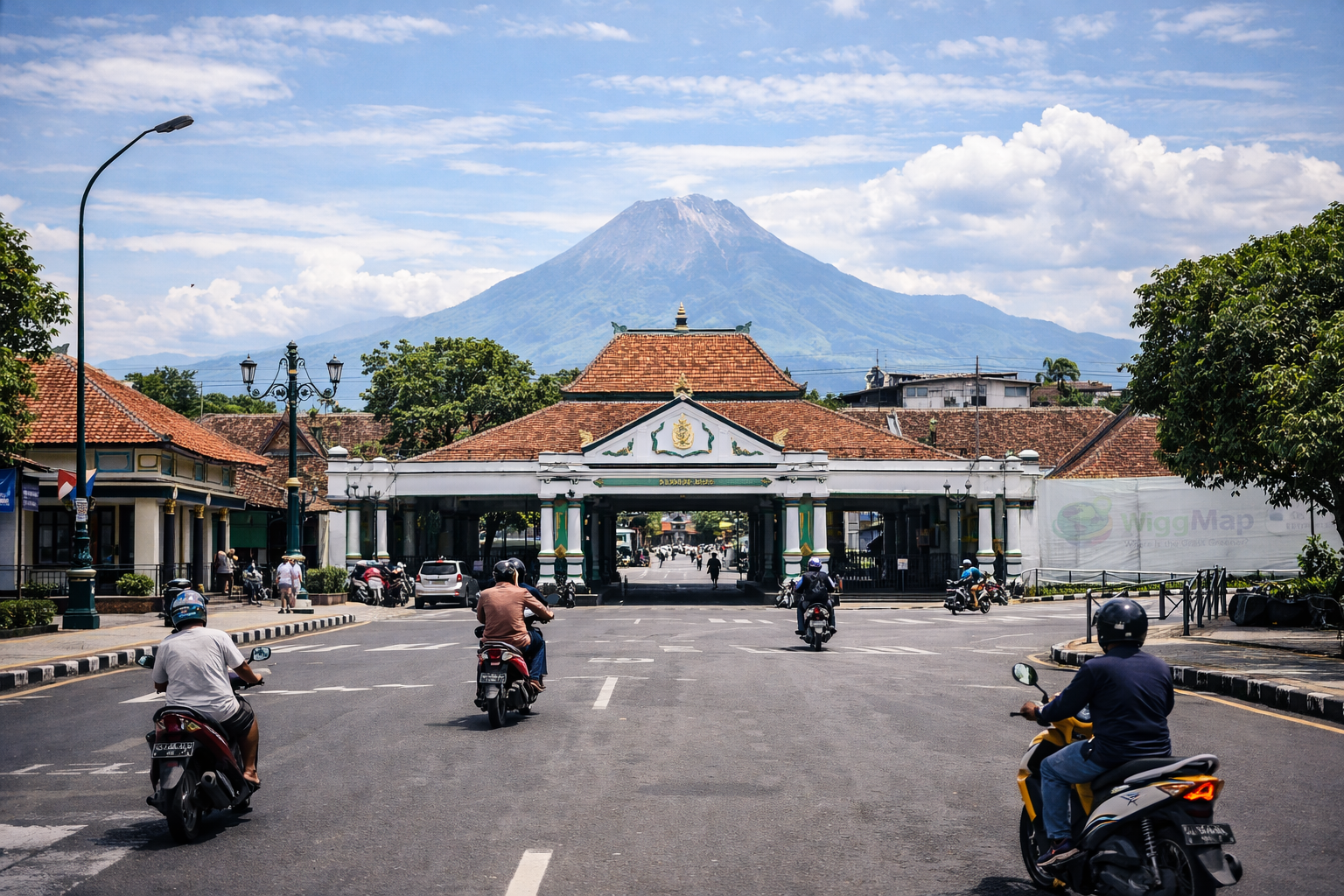
Expect tropical climate: hot and humid year-round (25-32°C) with wet season (Oct-March) and drier season (April-Sept). The landscape is extraordinarily diverse: volcanic mountains (130+ active volcanoes), rainforests (Sumatra, Borneo, Papua), rice terraces (Bali), beaches, and coral reefs. Natural beauty is stunning but natural disasters are frequent — earthquakes, tsunamis, volcanic eruptions are real risks. Biodiversity is exceptional. Deforestation (palm oil) is severe environmental issue.
🏠 Housing & settling in
Bali (Canggu, Ubud, Seminyak) and Jakarta (Kemang, Menteng) are popular expat areas. Expect negotiable terms. Rents in Bali: $300-1,000/month; Jakarta: $500-2,000/month. Quality varies wildly — villas in Bali are charming; Jakarta apartments range from luxury to basic. Most expats live in compounds with security. Power cuts are less common now. Water quality is poor — bottled water essential. Traffic determines housing choice in Jakarta. Bali offers better lifestyle. Registration (KITAS) is required.
💼 Work & economy
The economy is based on palm oil, coal, manufacturing, textiles, and services. For foreigners, opportunities exist in oil/gas, mining, NGOs, teaching English, tourism, or tech startups (Jakarta has growing scene). Work permits (KITAS) require employer sponsorship and proof no Indonesian can do job. The process is bureaucratic and expensive. Many digital nomads work on tourist visas (technically illegal). Salaries for expats are generous with allowances. Local salaries are very low (Rp 4-10M/month, $250-650). Starting a business requires local partnerships and navigating corruption. Bahasa Indonesia helps integration.
🛂 Visa & entry
Most nationalities get 30-day visa on arrival (extendable once for 30 days). For longer stays, options include work permits (KITAS), retirement visa (55+ with financial proof), or social/cultural visa. The process is bureaucratic, expensive, and requires agents typically. Visa runs (leaving to Singapore/Malaysia) are common. Permanent residency (KITAP) requires 5 years KITAS. Citizenship is nearly impossible without Indonesian heritage.
🏥 Healthcare
Healthcare quality varies dramatically. Public hospitals are overcrowded and poor quality. International hospitals in Jakarta and Bali (BIMC, Siloam) offer decent care at reasonable cost. Serious conditions require evacuation to Singapore. Medical tourism doesn't exist — people leave Indonesia for care. Dengue, malaria (in some areas), and waterborne diseases are risks. Life expectancy is ~72 years. International health insurance with Singapore evacuation is essential.
🚗 Transport & mobility
Jakarta has horrific traffic — commutes of 2-3 hours for short distances. MRT and LRT are new but limited. Ride apps (Gojek, Grab) for motorcycles and cars are lifesavers. Motorcycle taxis weave through traffic. Most expats hire drivers. Bali traffic is also terrible on main roads. Intercity buses and trains connect Java. Domestic flights are essential for archipelago. Ferries connect islands. Roads vary from decent to terrible. Natural disasters can disrupt transport. International flights go through Jakarta and Bali.
🍛 Food note (national dish)
The national dish is Nasi Goreng
: fried rice with kecap manis (sweet soy sauce), shrimp paste, vegetables, egg, and often chicken or shrimp. It's ubiquitous street food and comfort food. Alternatively, Rendang
(slow-cooked beef curry) or Gado-Gado
(vegetable salad with peanut sauce). Indonesian cuisine varies by island — Padang, Javanese, Balinese styles differ dramatically.
🔎 Bottom line
Indonesia suits digital nomads (Bali lifestyle), surfers, teachers, oil/gas professionals, and adventurers seeking tropical living. Pros: affordable (especially Bali), tropical islands, diving/surfing, friendly people, and growing economy. Cons: Jakarta traffic (world's worst), pollution, corruption, natural disaster risks, bureaucracy, and sinking Jakarta (literally — it's moving the capital). Bali is overrun with tourists and digital nomads; authenticity requires effort. Best for those prioritizing lifestyle, affordability, and tropical living over infrastructure and efficiency. Natural disasters are real concern — earthquakes, tsunamis, volcanic eruptions happen. Bali offers better quality of life than Jakarta but is tourist bubble. Bahasa Indonesia is relatively easy to learn. Digital nomads flock here but technically work on tourist visas (risky).
Expat Score — 6.5 / 10