

🧭 Overview
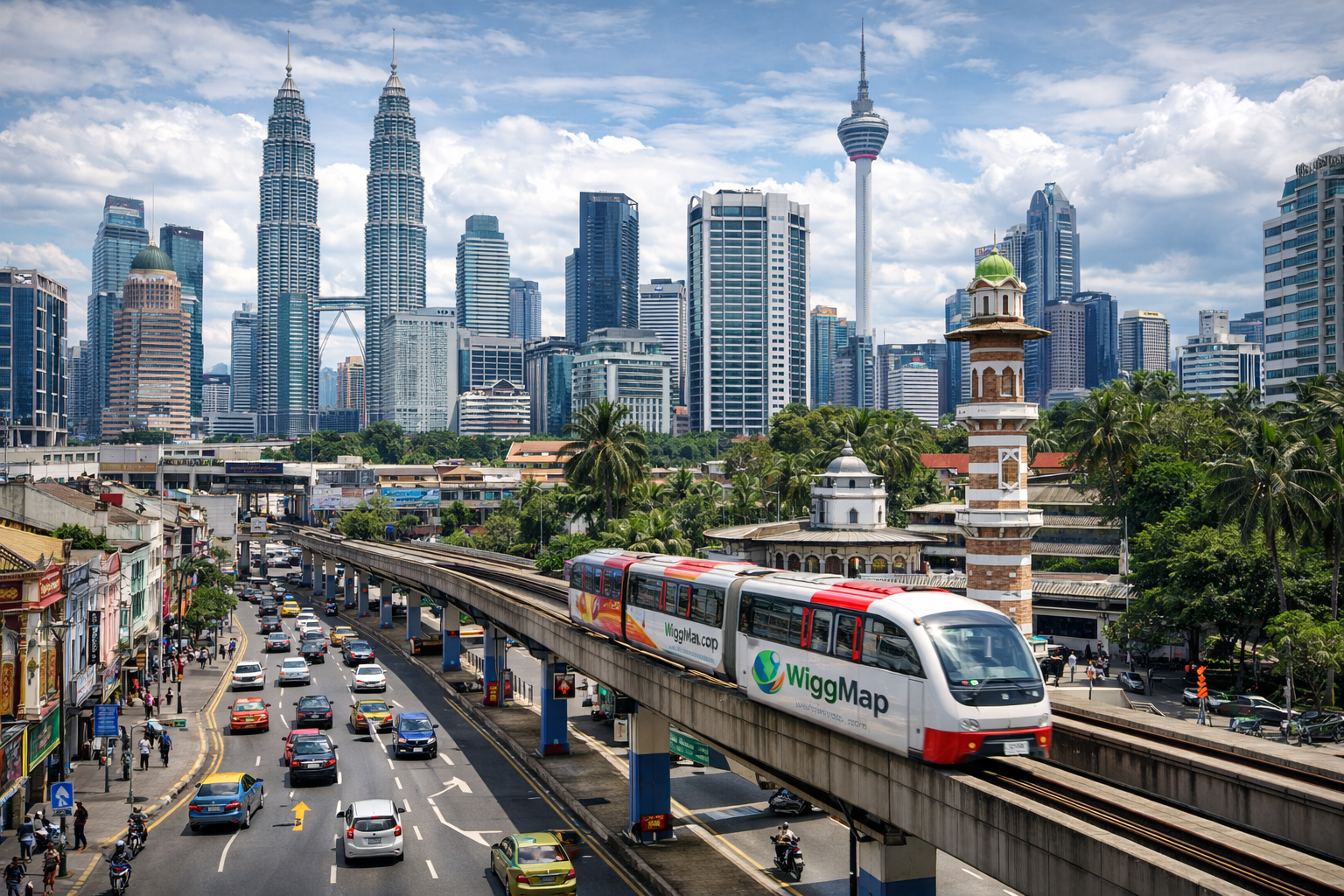
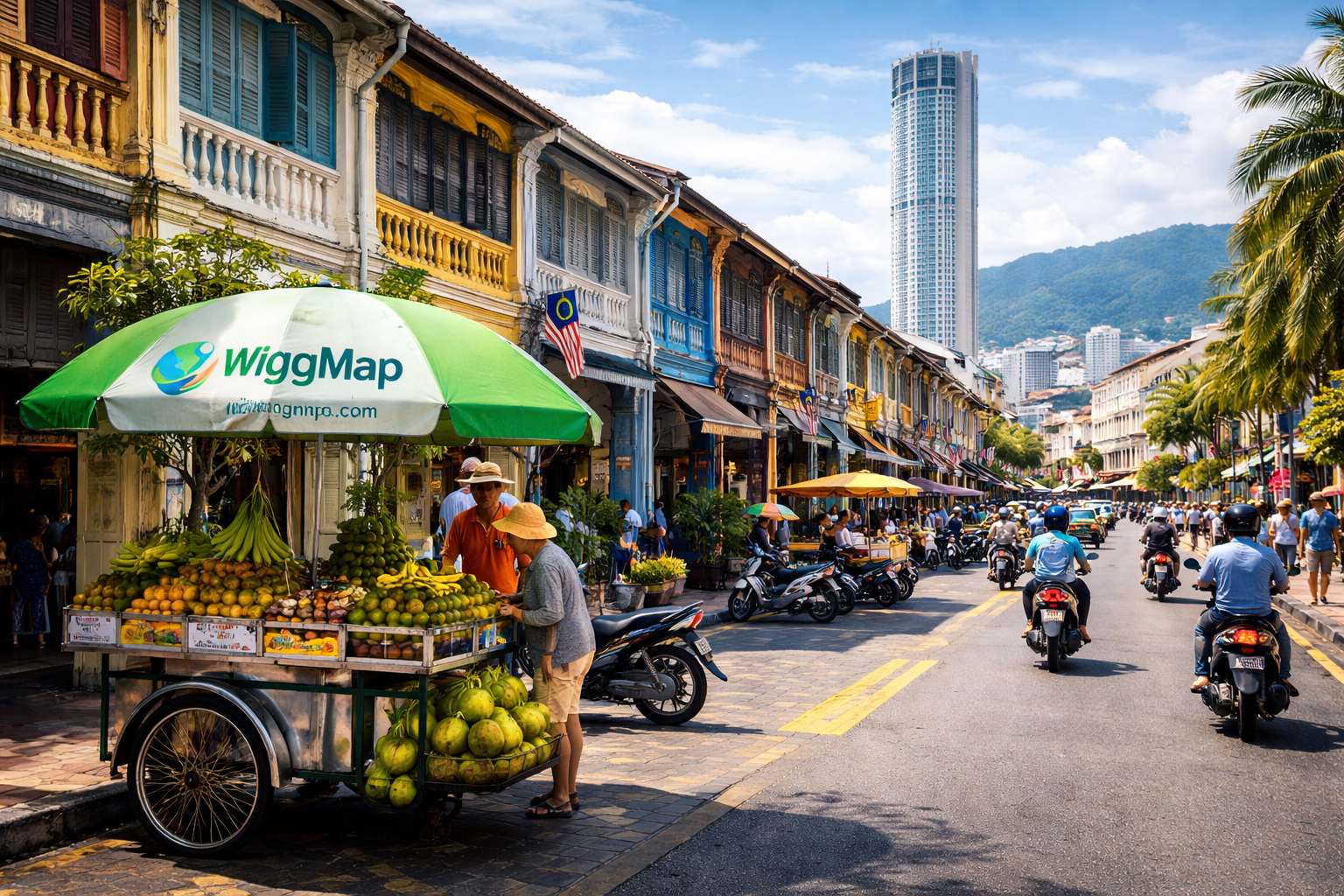
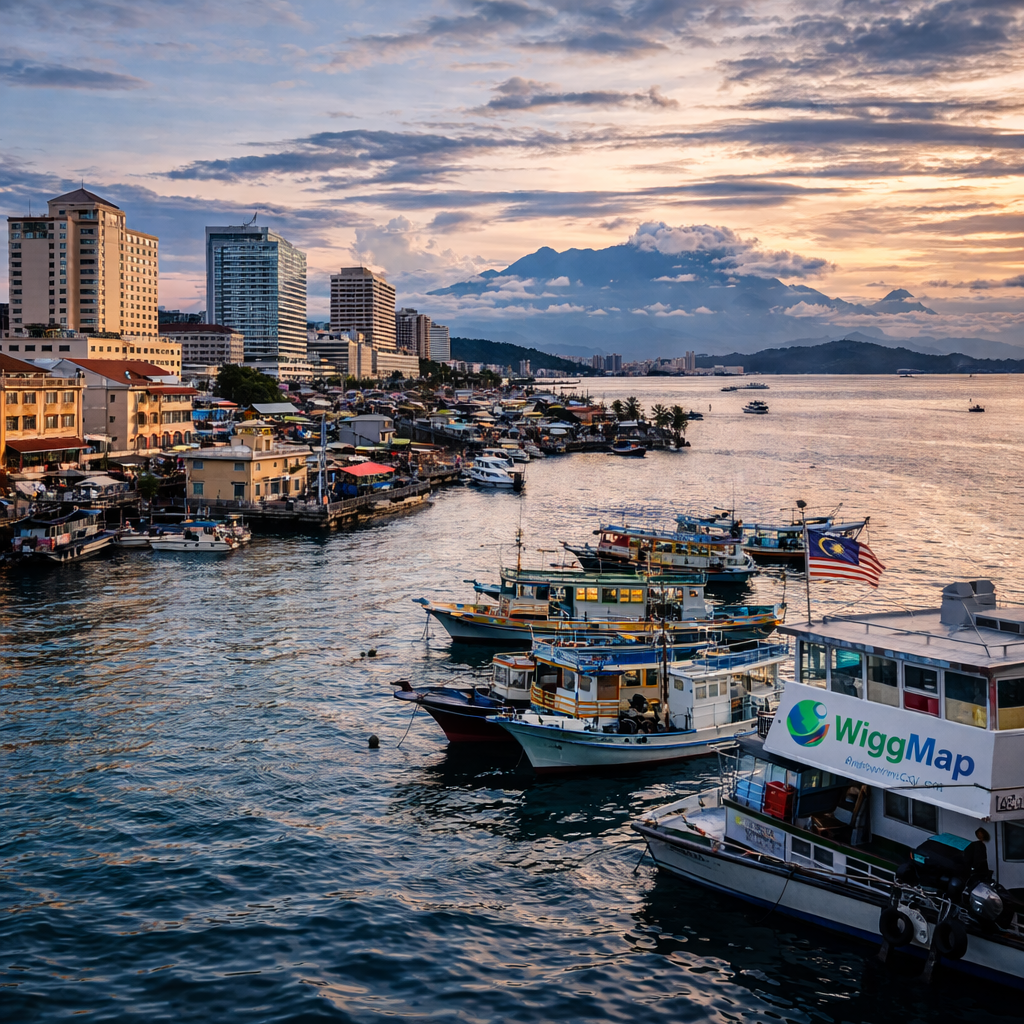
Malaysia is a Southeast Asian nation split between Peninsular Malaysia (borders Thailand) and Malaysian Borneo (Sabah, Sarawak). Kuala Lumpur is modern capital with Petronas Towers; Penang is cultural/food paradise; Borneo has rainforests and orangutans. The country is multi-ethnic (Malay, Chinese, Indian) creating diverse food and culture. Economy is advanced for region: electronics, palm oil, oil/gas, and services. Malaysia offers affordability, English prevalence, food excellence, and tropical climate. However, political instability, Malay-centric policies (Bumiputera privileges), Islamic conservatism, and air quality issues create challenges.
👥 People & vibe
With roughly 33 million people, Malaysia is multi-ethnic: Bumiputera (Malays and indigenous, ~69%), Chinese (~23%), Indian (~7%). Malay is official language; English is widely spoken; Chinese dialects and Tamil are common. Islam is official religion (federation level) though non-Muslims practice freely. The culture is harmonious diversity with ethnic/religious tensions beneath surface. Malaysians are friendly, food-obsessed, and moderate. The vibe is tropical ease meets Islamic values. KL is megacity; Penang is heritage charm; Borneo is frontier. Race-based politics shape everything.
🌦️ Climate & landscape
Expect tropical climate: hot and humid year-round (25-33°C) with monsoon seasons varying by coast (east coast monsoon Nov-Feb). The landscape is rainforests (Taman Negara is ancient), mountains (Cameron Highlands tea plantations), beaches (Langkawi, Perhentian Islands), and palm oil plantations (environmental destruction). Malaysian Borneo has Mount Kinabalu and orangutan sanctuaries. Natural beauty is stunning but deforestation is severe. Air quality suffers from haze (Indonesian fires, Aug-Oct).
🏠 Housing & settling in
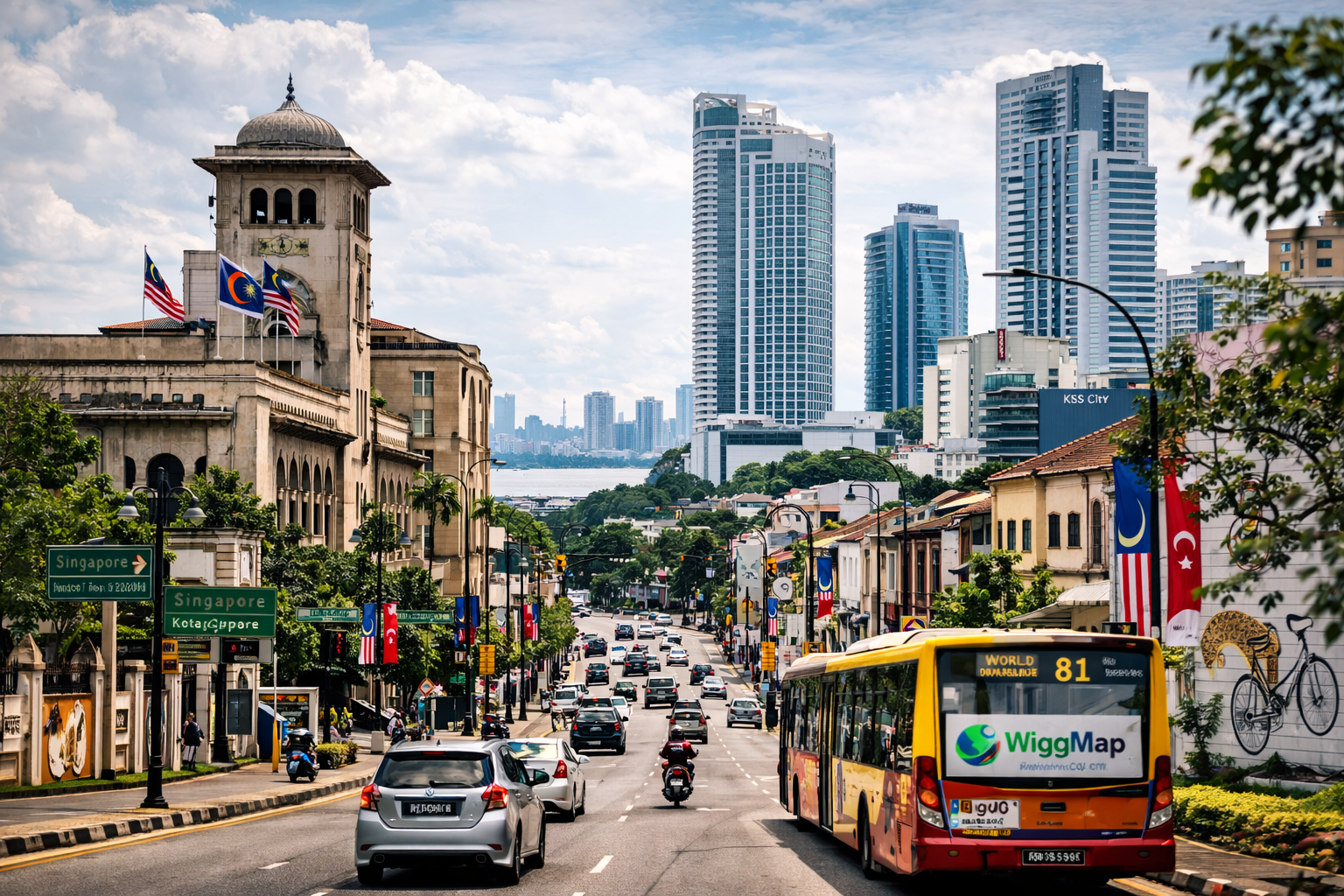
KL neighborhoods like KLCC, Bangsar, Mont Kiara attract expats. Penang's Georgetown and Batu Ferringhi are popular. Expect 2-3 months deposit and annual contracts. Rents are affordable: RM2,000-5,000/month ($450-1,100). Quality is good — modern condos with pools/gyms are standard. AC is essential. Outside cities, Penang, Johor Bahru have expat communities. Buying property has restrictions for foreigners (minimum price thresholds). Registration (long-term visas) required.
💼 Work & economy
The economy is diverse: electronics manufacturing (semiconductors), palm oil (world's 2nd-largest producer), oil/gas, services, and tourism. For foreigners, opportunities exist in tech, oil/gas, education, finance, or multinationals. Work permits (Employment Pass) require employer sponsorship. Salaries are moderate (RM5,000-15,000/month, $1,100-3,300) but costs are low. English proficiency helps. MM2H (Malaysia My Second Home) visa attracts retirees. Starting a business is feasible. Bumiputera policies favor Malays in business/education (controversial).
🛂 Visa & entry
Most nationalities get visa-free entry (90 days). For longer stays, work permits require employer sponsorship. MM2H visa (retirement/long-stay) requires financial proof (RM500k+ deposit, RM10k+ monthly income) — recently tightened. Student visas available. Permanent residence is difficult. Citizenship requires 10-12 years residence and is rarely granted. System favors temporary stays over integration.
🏥 Healthcare
Healthcare is two-tier. Public hospitals are affordable but crowded. Private hospitals offer excellent care at very affordable prices (medical tourism destination). Doctors are well-trained (many educated abroad). Life expectancy is ~76 years. International insurance or private insurance recommended. Prescription drugs are cheap. Penang and KL are medical tourism hubs. Tropical diseases (dengue) are risks.
🚗 Transport & mobility
KL has LRT, MRT, monorail, and buses — functional but traffic is terrible. Most expats drive. Roads are well-maintained. Driving culture is aggressive. Intercity buses and trains connect cities. The country is long — KL to Penang is 4hr drive. Domestic flights connect cities and Borneo. KLIA is major Southeast Asian hub. Ferries connect islands.
🍛 Food note (national dish)
The national dish is Nasi Lemak
: coconut rice with anchovies, peanuts, boiled egg, cucumber, and sambal (chili paste). Eaten for breakfast or anytime. Malaysian food is world-class — blending Malay, Chinese, Indian cuisines. Penang is food capital. Hawker centers are everywhere. Food is Malaysia's greatest asset.
🔎 Bottom line
Malaysia suits expats seeking affordable Southeast Asian living, foodies (cuisine is incredible), retirees (MM2H program), and families (international schools are good). Pros: affordability, food excellence, English prevalence, modern infrastructure, diverse culture, and tropical climate. Cons: Islamic conservatism (alcohol restrictions, conservative laws), Bumiputera policies (racial favoritism), political instability, haze season (Aug-Oct), and traffic chaos. KL is modern Asian city; Penang offers heritage and food; Borneo is nature. Best for those accepting Islamic governance (moderate but present) and racial politics. If you prioritize food, affordability, and tropical living over liberal governance, Malaysia delivers. Truly Asia — and truly delicious.
Expat Score — 7.0 / 10