


🧭 Overview
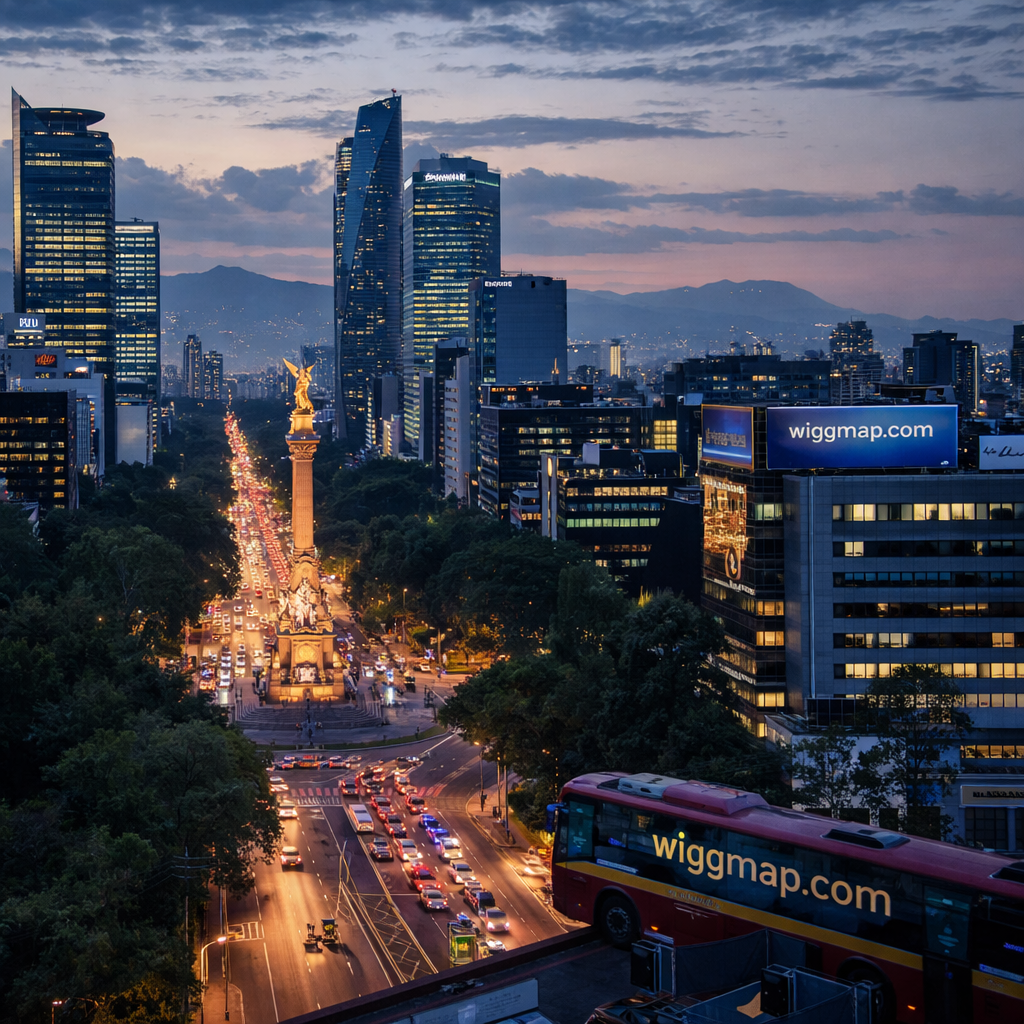
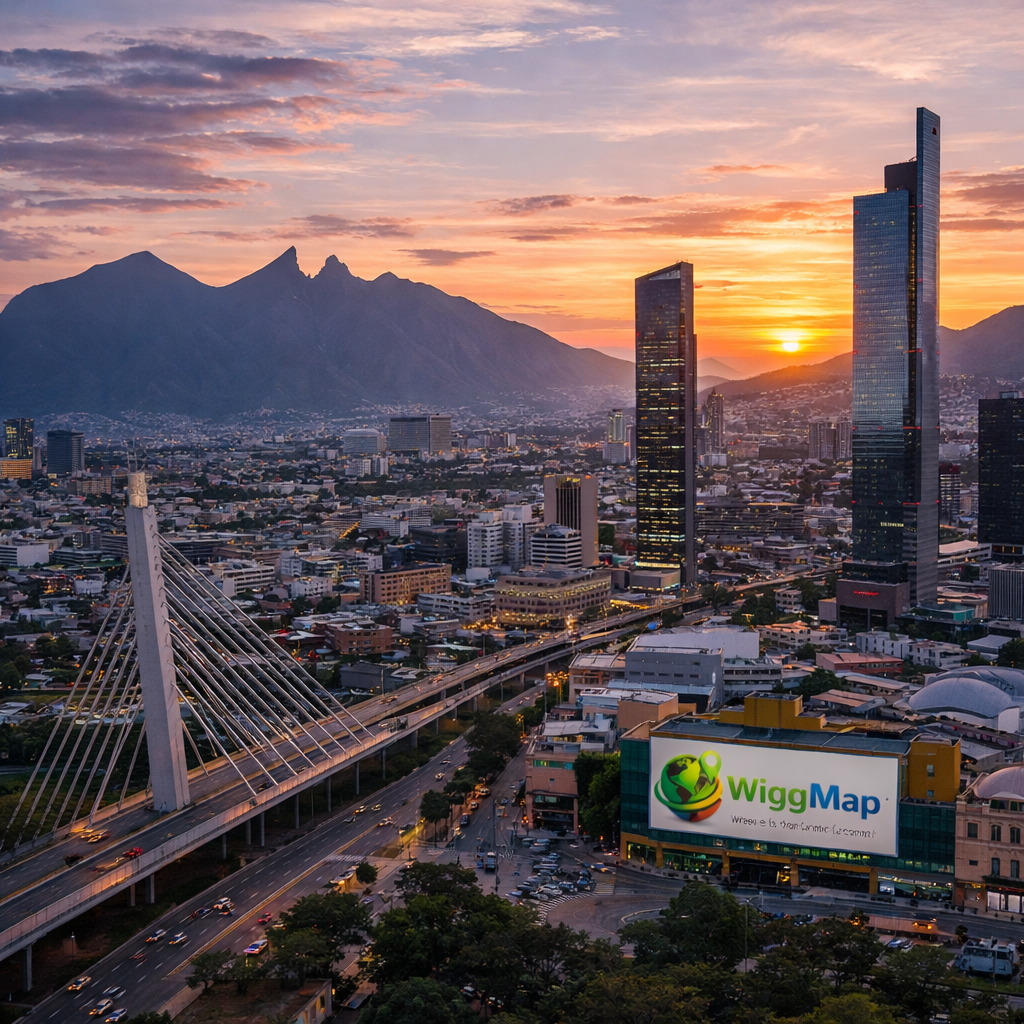
Mexico is a large North American nation offering ancient civilizations (Aztec, Maya), colonial architecture, vibrant culture, world-class cuisine, beaches, and complex realities. Mexico City (CDMX) is massive capital (22M metro); Guadalajara is tech hub; Playa del Carmen/Tulum attract beach expats; San Miguel de Allende/Guanajuato charm culture seekers. The economy is large (11th globally): manufacturing (USMCA trade), oil, agriculture, tourism, and remittances. Mexico offers affordability, proximity to US, culture, and lifestyle. However, cartel violence (50,000+ murders/year in peak years), corruption, inequality, and infrastructure gaps create serious challenges. Safety varies dramatically by location.
👥 People & vibe
With roughly 128 million people, Mexico is mestizo (~62%), indigenous (~21%), white (~10%), and other backgrounds. Spanish is official; 68 indigenous languages exist (Nahuatl, Maya, Zapotec). The culture emphasizes family, fiestas, food, and resilience despite hardship. Mexicans are warm, proud, and socially conservative but culturally vibrant. The vibe varies: CDMX is cosmopolitan megacity; Guadalajara is traditional with tech scene; beach towns are tourist-oriented; border cities are dangerous; rural areas are traditional. Drug violence creates fear but daily life continues.
🌦️ Climate & landscape
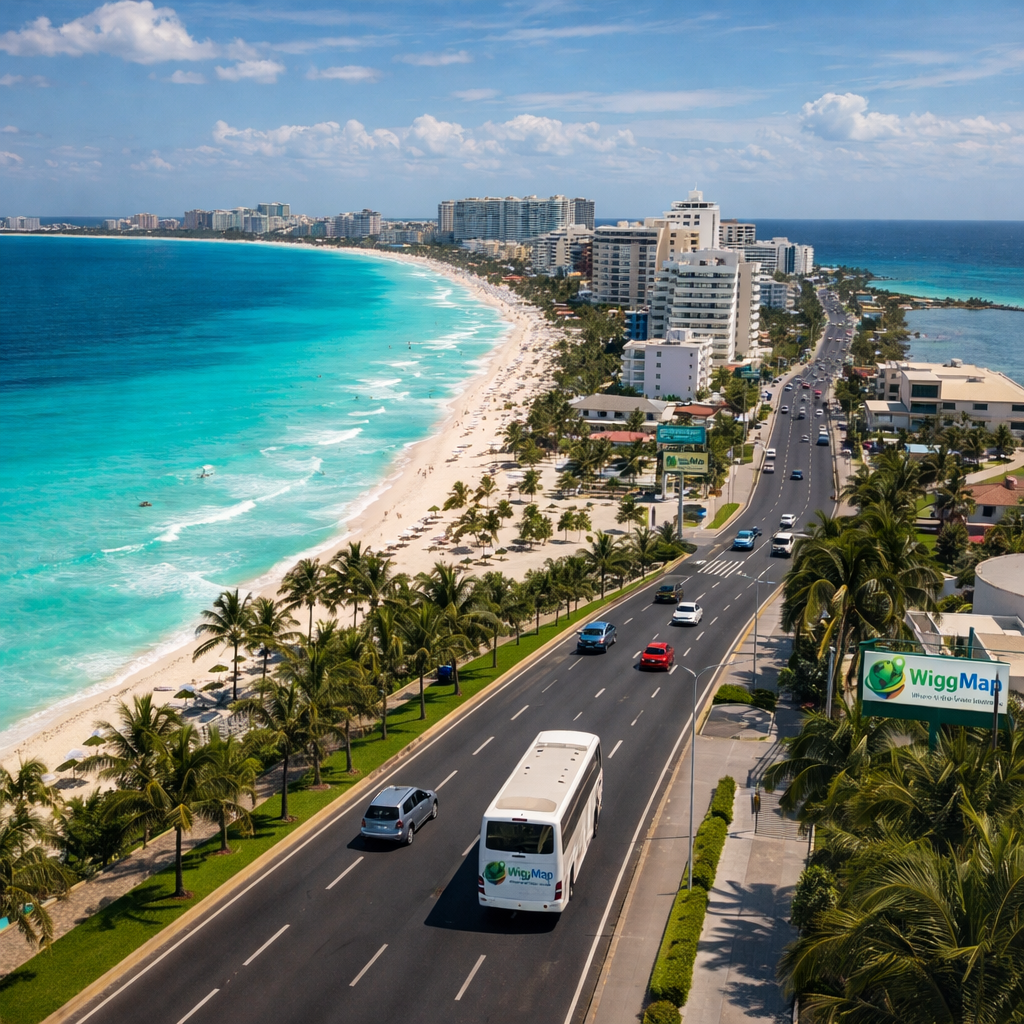
Climate varies dramatically: tropical coasts (hot, humid), high-altitude cities (CDMX, Guadalajara — eternal spring), deserts (north), and temperate highlands. The landscape includes beaches (Pacific, Caribbean, Gulf), mountains (Sierra Madre), volcanoes (Popocatépetl), deserts, jungles, and archaeological sites. Natural beauty is extraordinary. Hurricanes hit coasts. Air quality in CDMX is poor. Earthquakes are threats.
🏠 Housing & settling in
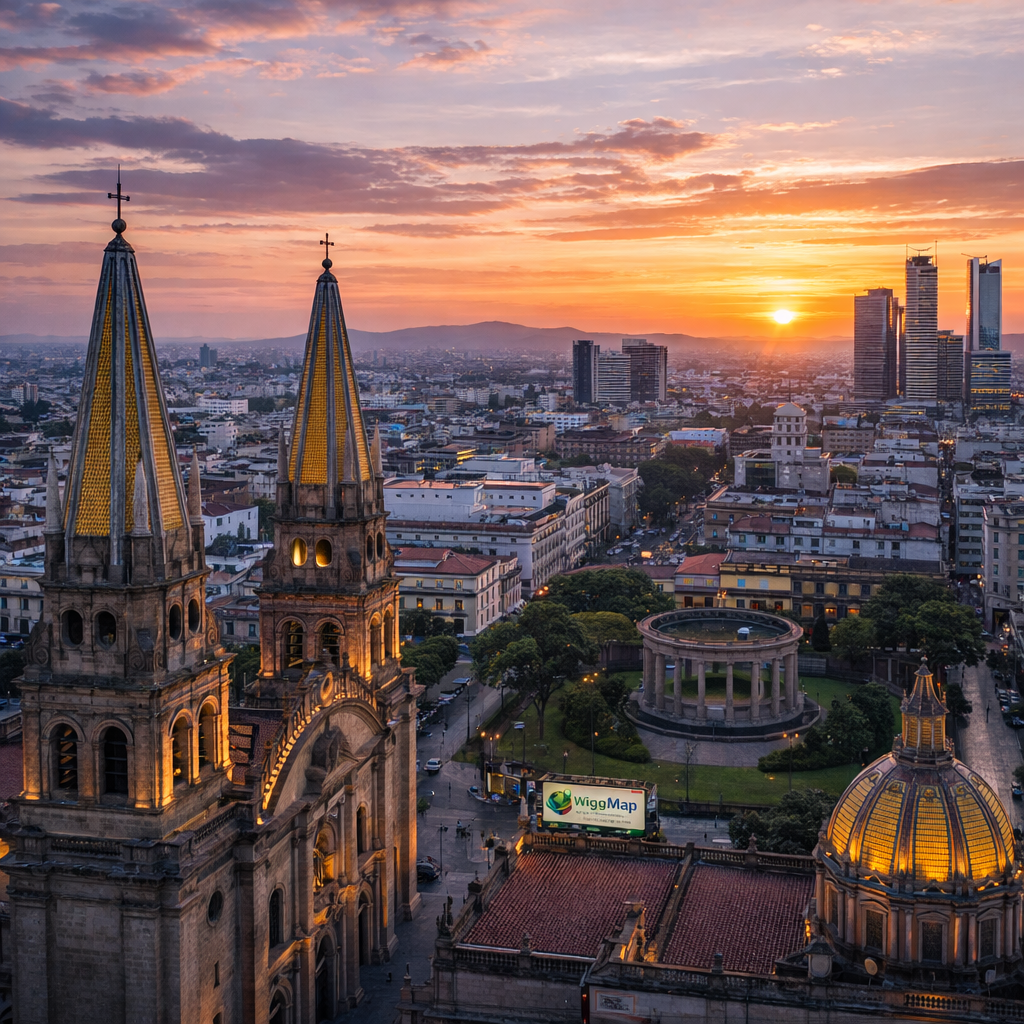
Popular expat locations: CDMX (Roma, Condesa, Polanco), Playa del Carmen, Tulum, Puerto Vallarta, San Miguel de Allende, Oaxaca, Mérida. Expect 1-2 months deposit and flexible terms. Rents are affordable: $500-1,500/month depending on location. Quality varies — modern apartments in cities; villas on coast; colonial houses in highlands. Security is concern — gated communities, guards. Registration (FM visa) required for long-term. Buying property is allowed in most areas (restrictions near coasts require fideicomiso trust).
💼 Work & economy
The economy is diverse: manufacturing (automotive, electronics under USMCA), oil (Pemex), agriculture, tourism, and services. For foreigners, opportunities exist in teaching English, tech (growing scene), tourism, or remote work (Mexico attracts digital nomads). Work permits require employer sponsorship. Salaries are low by US standards (MXN 15-40k/month, $900-2,400) but costs match. Many expats work remotely. Starting a business is feasible but bureaucratic and corruption affects dealings. Spanish proficiency is essential.
🛂 Visa & entry
Most nationalities get 180-day tourist visa (FMM) on arrival. For longer stays, temporary residence visa (1 year, renewable up to 4 years) requires financial proof or job offer. Permanent residence available after 4 years temporary or immediate with financial means. The process is bureaucratic. Citizenship requires 5 years residence (2 if married to Mexican) plus Spanish test. Border runs were common but scrutinized now.
🏥 Healthcare
Healthcare is two-tier. Public system (IMSS, ISSSTE) is affordable but crowded and quality varies. Private hospitals offer excellent care at fraction of US costs — medical tourism is huge (dentistry, cosmetic surgery, procedures). Doctors are well-trained. Life expectancy is ~75 years. International insurance or private insurance recommended. Prescription drugs are cheap. Water quality is poor — bottled water essential.
🚗 Transport & mobility
CDMX has metro, Metrobus, and Uber — functional but crowded. Traffic is terrible. Most expats use Uber or drive. Intercity buses (ADO, Primera Plus) are excellent — comfortable, affordable. Roads vary from decent highways (toll roads) to dangerous rural tracks. Driving culture is aggressive. Domestic flights connect cities. Major airports: CDMX, Cancún, Guadalajara. Cartel roadblocks are risk in certain areas.
🍛 Food note (national dish)
There's no single national dish but Tacos
represent Mexican cuisine globally. Regional diversity is immense: mole (Oaxaca), pozole, tamales, chiles en nogada. Mexican food is UNESCO Intangible Heritage — complex, ancient, varied. Street food is excellent but risky for foreign stomachs. Oaxaca is culinary capital.
🔎 Bottom line
Mexico suits remote workers (affordable, close to US, culture), retirees (Lake Chapala, San Miguel popular), digital nomads, Spanish learners, and culture enthusiasts. Pros: affordability, rich culture, incredible food, proximity to US, diverse landscapes, friendly people. Cons: cartel violence (location-dependent — avoid Michoacán, Guerrero, Tamaulipas, border cities), corruption, water quality, pollution (CDMX), and inequality. Safety varies dramatically: San Miguel, Mérida, Puerto Vallarta are relatively safe; Acapulco, Tijuana, Ciudad Juárez are dangerous. Femicides are crisis. Best for those accepting security trade-offs for culture and affordability. Research specific locations carefully. Spanish is essential. If you're street-smart and stay in safe areas, Mexico offers incredible lifestyle.
Expat Score — 6.5 / 10