


🧭 Overview
Portugal is southwestern European nation offering Atlantic coastline, historic cities (Lisbon, Porto), Azores and Madeira islands, Age of Discovery heritage, and laid-back lifestyle. Lisbon is charming capital with trams and hills; Porto is port wine city; Algarve is beach tourism. The country successfully escaped dictatorship (1974 Carnation Revolution) and joined EU. Economy struggles (austerity after 2008 crisis) but tourism, tech, and remote work visas attract newcomers. Portugal offers sunshine, safety, affordability (relative to Western Europe), and saudade (melancholic nostalgia). However, low wages, brain drain, housing crisis (Lisbon gentrification), and bureaucracy create challenges.
👥 People & vibe
With roughly 10.3 million people (declining, aging), Portugal is ethnically Portuguese (~95%) with Brazilian, African (Angola, Cape Verde, Mozambique), and recent immigrant communities. Portuguese language is essential for integration; English is spoken in tourism/business. The culture emphasizes family, food (bacalhau — salted cod), fado music (melancholic songs), and relaxed pace (não faz mal — doesn't matter). Portuguese are warm, reserved, and fatalistic. The vibe is laid-back Mediterranean. Lisbon is hipster renaissance; Porto is working-class charm; Algarve is expat haven; interior is depopulating. Saudade (untranslatable longing/nostalgia) defines Portuguese soul.
🌦️ Climate & landscape
Expect Mediterranean climate: hot, dry summers (25-35°C), mild, wet winters (10-15°C). South (Algarve) is warmer; north (Porto) is rainier. The landscape includes Atlantic coastline, hills (Lisbon's seven hills), Douro wine valley, cork forests, and beaches. Natural beauty is accessible. Azores and Madeira islands are volcanic, lush. Air quality is generally good. Wildfires in summer are increasing threat.
🏠 Housing & settling in
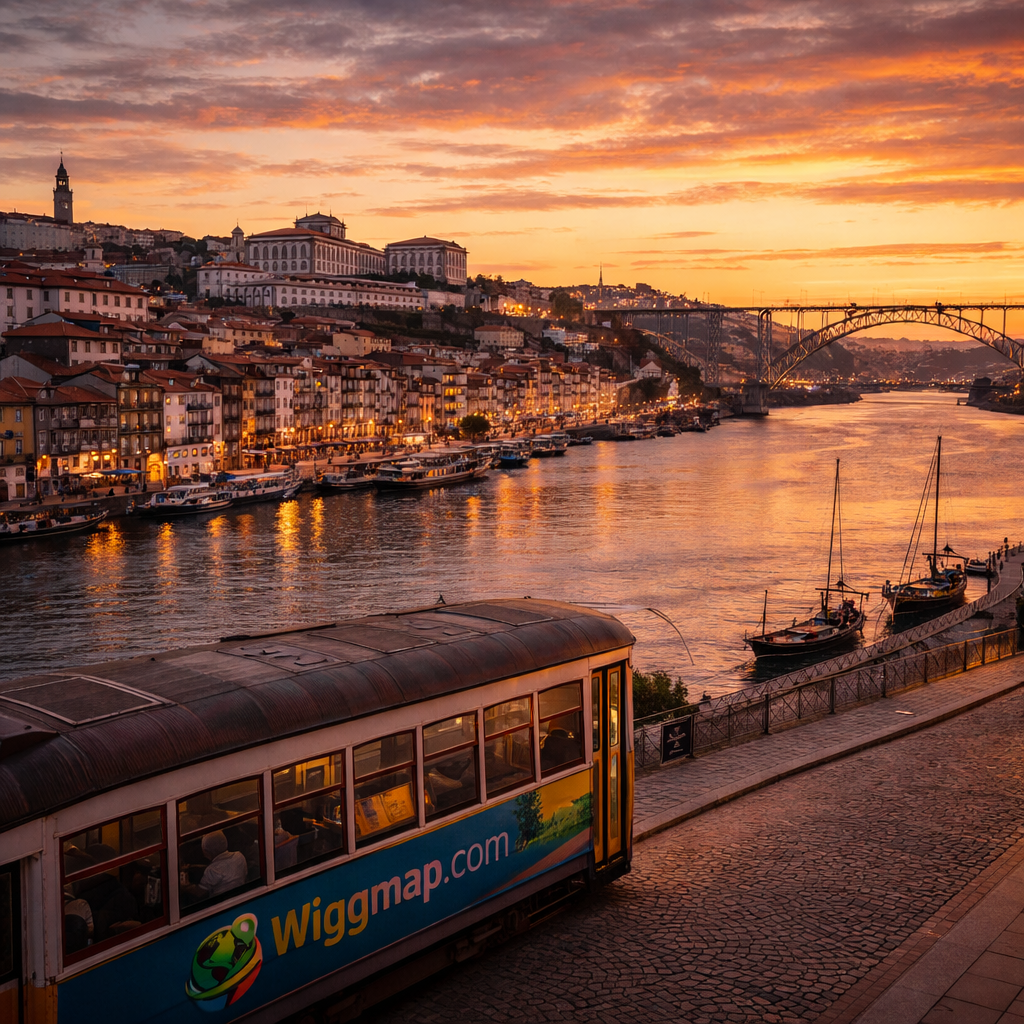
Lisbon (Alfama, Chiado, Príncipe Real) and Porto (Ribeira, Foz) have housing crisis — gentrification, Airbnb, and digital nomads drove prices up. Rents: Lisbon €800-1,800/month; Porto €600-1,200; Algarve €600-1,000. Expect 2-3 months deposit and competition. Quality varies — renovated buildings charm; unrenovated lack heating. Outside cities, interior Portugal is cheap and depopulating. Buying property is popular (Golden Visa program, ending 2023). Registration (NIF number) required.
💼 Work & economy
The economy is services-driven: tourism (major sector), tech (growing startup scene, Web Summit), cork (world's largest producer), wine, and agriculture. For EU citizens, free movement applies. Non-EU need work permits or D7 passive income visa. Opportunities exist in tech, tourism, teaching English, or remote work. Salaries are low (€900-2,000/month) but costs match in interior. Lisbon/Porto are expensive relative to wages. Digital nomad visa attracts remote workers. Portuguese proficiency helps integration. Youth unemployment drives emigration.
🛂 Visa & entry
EU/EEA/Swiss citizens have free movement rights. Non-EU can visit Schengen zone 90 days in 180 days. For longer stays, D7 visa (passive income, €760+/month) or work permits available. Golden Visa (property investment €500k+) is ending 2023. The process is bureaucratic (SEF). Permanent residence requires 5 years continuous residence. Citizenship requires 5 years residence, Portuguese language proficiency (A2), and passing tests. Naturalization is achievable and increasingly popular.
🏥 Healthcare
Healthcare is universal (SNS). Quality is good — well-trained doctors, modern facilities. However, public hospitals are overcrowded; wait times are long. Private insurance (€50-150/month) supplements. Life expectancy is ~82 years. Prescription drugs are subsidized. EU citizens use EHIC. Medical tourism doesn't exist (people use domestic system).
🚗 Transport & mobility
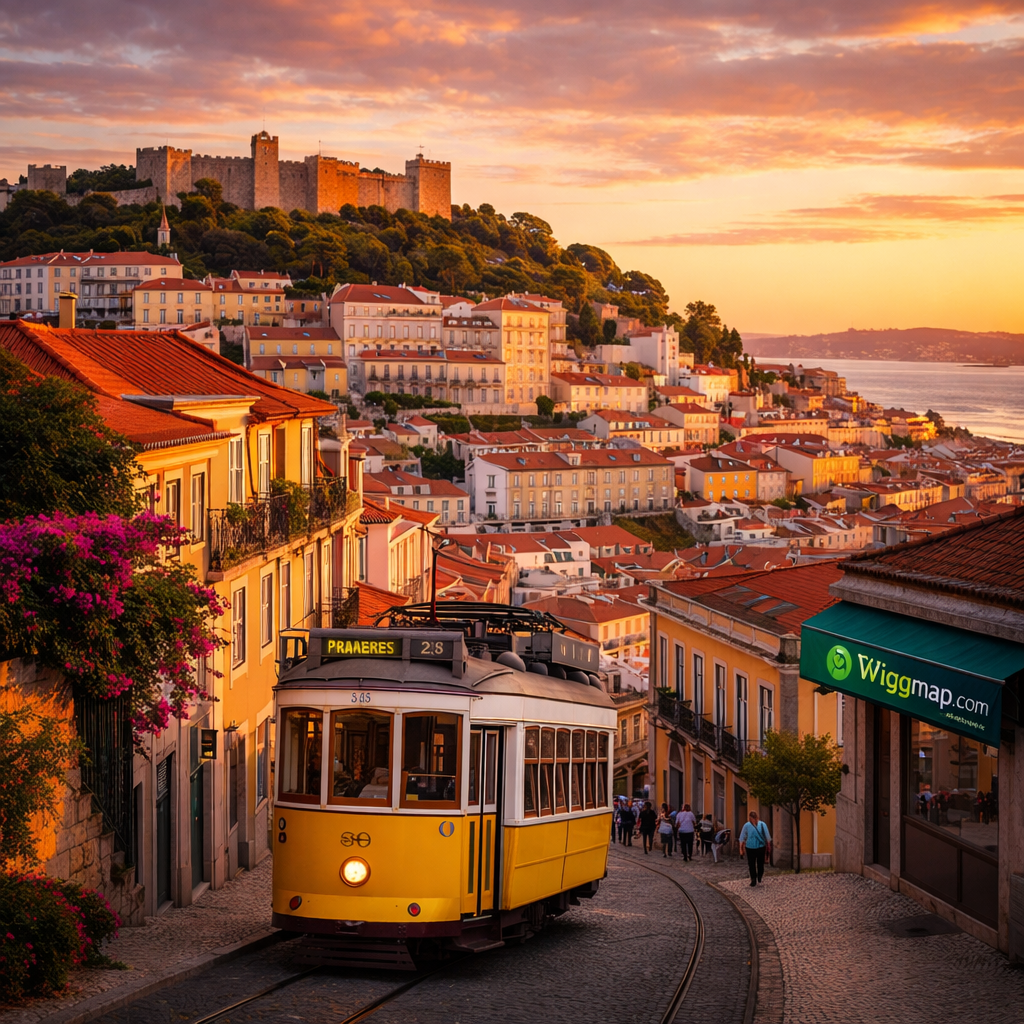
Lisbon has metro, trams (iconic tram 28), buses, ferries — charming but crowded. Porto has metro and buses. Roads are excellent (EU funding). Tolls are expensive. Intercity trains and buses connect cities. The country is small — Lisbon to Porto is 3hr train. Lisbon and Porto airports connect to Europe. Domestic flights to islands. Driving is affordable. Public transport is functional.
🍛 Food note (national dish)
The national dish is Bacalhau
: salted cod prepared 1,000+ ways. Bacalhau à Brás
(shredded cod with eggs, potatoes) is popular. Alternatively, Francesinha
(Porto's meat sandwich) or Pastéis de Nata
(custard tarts from Belém). Portuguese cuisine is seafood-focused, simple, and influenced by former colonies (Brazil, Goa, Angola). Wine (port, vinho verde) is excellent.
🔎 Bottom line
Portugal excels for retirees (D7 visa, affordable), digital nomads (visa launched 2022), families, and those seeking laid-back Western European lifestyle. Pros: sunshine, safety, affordability (relative to Western Europe), friendly people, excellent food/wine, and improving infrastructure. Cons: low wages (struggle for young Portuguese), housing crisis (Lisbon gentrification displacing locals), bureaucracy, and language barrier (Portuguese is essential). Lisbon is trendy but expensive; Porto is authentic; Algarve is retiree/tourist haven; interior is empty. Best for those with remote income, pensions, or accepting lower wages for lifestyle. Gentrification is controversial — locals can't afford housing while foreigners flood in. If you prioritize lifestyle, sunshine, and culture over career growth, Portugal delivers exceptional value. D7 visa makes it accessible.
Expat Score — 8.0 / 10