



🧭 Overview
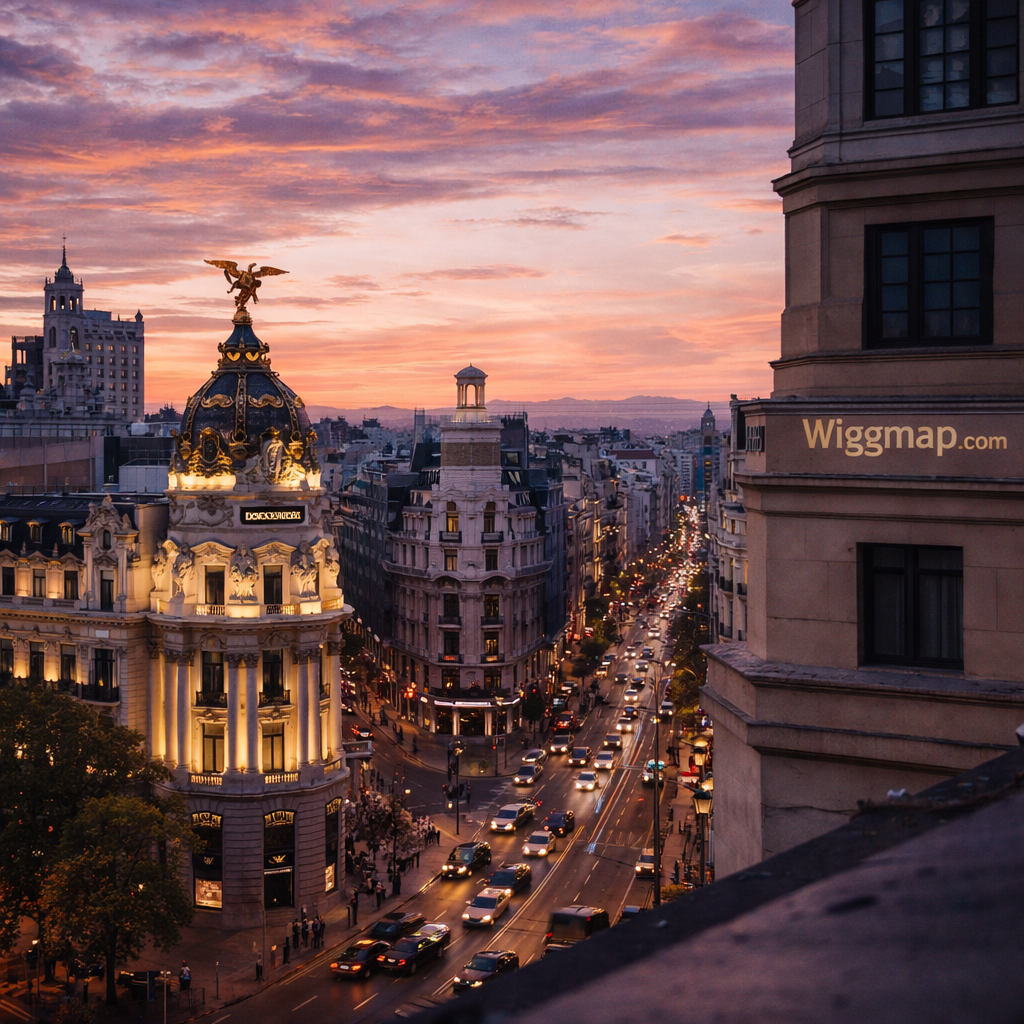
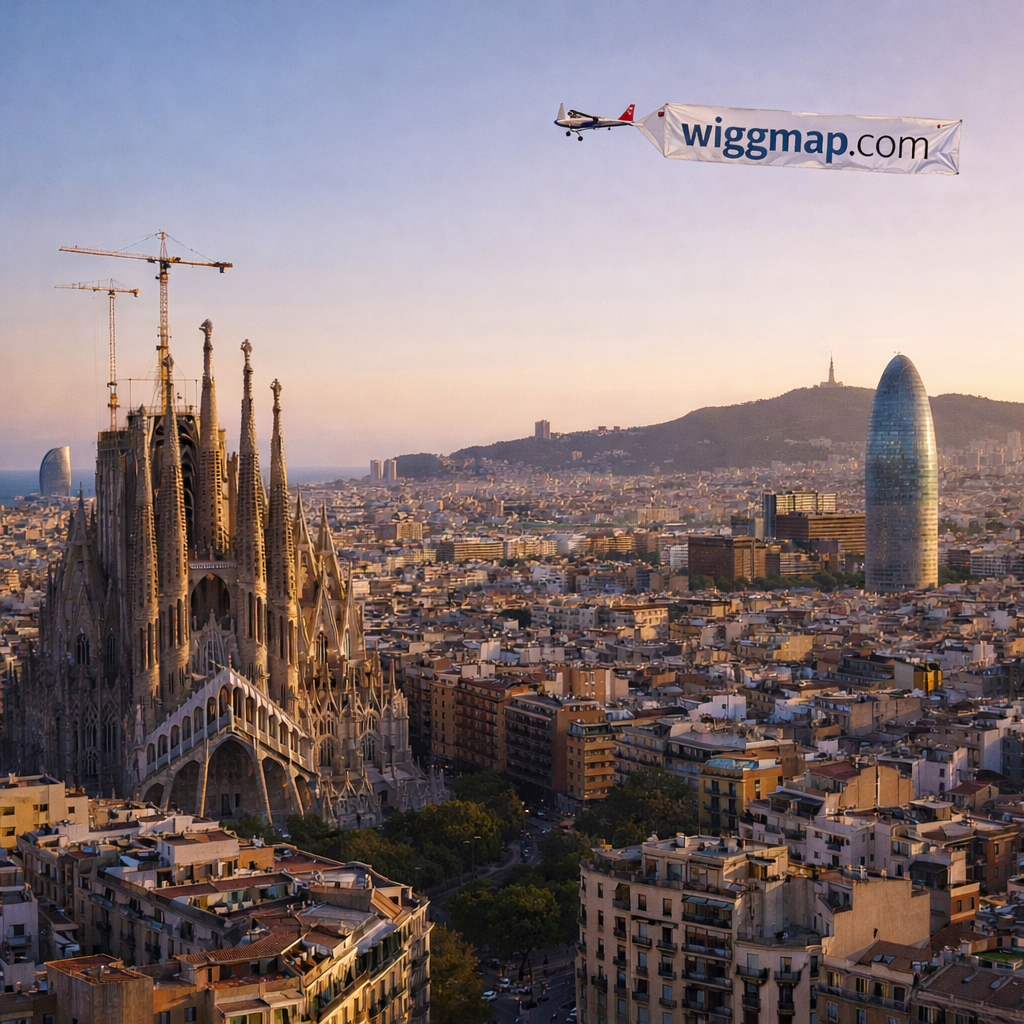
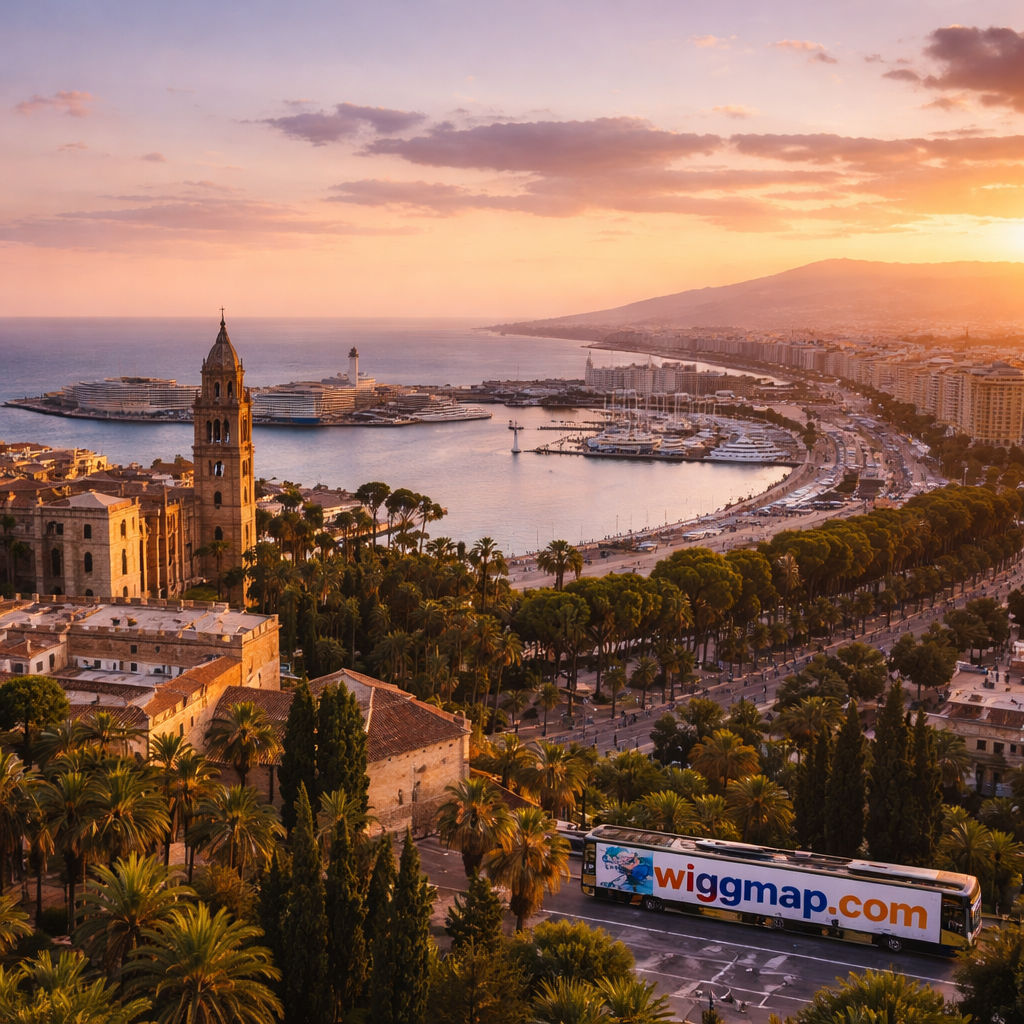
Spain is southwestern European nation offering Mediterranean lifestyle, rich history (Moorish architecture, conquistador legacy), vibrant culture (flamenco, tapas, fiestas), beaches (Costa del Sol, Balearics, Canaries), and architectural wonders (Gaudí's Barcelona, Alhambra). Madrid is energetic capital; Barcelona is Catalan cultural hub; Seville is Andalusian heart. The country successfully transitioned from Franco's dictatorship (1939-75) to democracy and EU member. Economy struggles post-2008 crisis but tourism (world's 2nd-most visited), agriculture, and services sustain it. Spain offers sunshine, food, siesta culture, and laid-back lifestyle. However, youth unemployment (25%+), bureaucracy, Catalan separatism, and economic challenges create issues.
👥 People & vibe
With roughly 47.5 million people, Spain is ethnically Spanish (~86%) with regional identities (Catalan, Basque, Galician strong), plus immigrant communities (Latin American, Moroccan, Romanian). Spanish (Castilian) is official; Catalan, Basque, Galician are co-official in regions. Catholicism dominates culturally though practice is declining. The culture emphasizes family, food (tapas, paella, jamón), fiestas (every town has patron saint festival), and late schedules (dinner at 10pm, clubs at 2am). Spaniards are warm, social, loud, and passionate. The vibe is Mediterranean relaxation. Madrid is cosmopolitan energy; Barcelona is Catalan pride; Andalusia is flamenco soul; coast is beach tourism. Siesta culture persists in some areas.
🌦️ Climate & landscape
Climate varies: Mediterranean coast (hot summers, mild winters), interior (Madrid — hot summers, cold winters), Atlantic north (Bilbao — rainy), Canaries (eternal spring). The landscape includes beaches, Pyrenees mountains, Meseta plateau, olive groves, vineyards, and Balearic/Canary islands. Natural beauty is diverse and accessible. Air quality is generally good except Madrid pollution.
🏠 Housing & settling in
Madrid (Malasaña, Chueca, Salamanca), Barcelona (Eixample, Gràcia, Barceloneta), Valencia, Seville attract expats. Expect 1-2 months deposit and annual contracts. Rents: Madrid €900-1,800/month; Barcelona €1,000-2,000; smaller cities €500-1,000. Quality varies — renovated buildings charm; old apartments lack heating/AC. Spanish bureaucracy (gestoría needed for paperwork) is legendary. Registration (empadronamiento) required. Buying property is popular (non-lucrative visa pathway). AC essential in summer south; heating needed in winter.
💼 Work & economy
The economy is services (tourism 12% of GDP), manufacturing, agriculture (olive oil, wine, citrus), and construction. For EU citizens, free movement applies. Non-EU need work visas. Opportunities exist in tourism, teaching English, tech (growing startup scene), or remote work (digital nomad visa launched 2023). Salaries are moderate (€1,500-3,000/month) but unemployment is high (12%, youth 25%+). Work-life balance is excellent. Spanish proficiency essential for most jobs. Starting a business involves bureaucracy.
🛂 Visa & entry
EU/EEA/Swiss citizens have free movement rights. Non-EU can visit Schengen zone 90 days in 180 days. For longer stays, options include work permits, non-lucrative visa (retirees, passive income €27k+/year), student visa, or digital nomad visa (2023, remote workers). The process is bureaucratic. Permanent residence requires 5 years continuous residence. Citizenship requires 10 years residence (2 years for Latin Americans), Spanish language proficiency (A2), and cultural knowledge test. Naturalization is achievable.
🏥 Healthcare
Healthcare is universal (SNS) and excellent. Quality is top-tier — modern facilities, well-trained doctors. Wait times for non-urgent procedures can be long. Private insurance (€50-150/month) supplements. Life expectancy is ~84 years (among world's highest). Prescription drugs are subsidized. EU citizens use EHIC. System is comprehensive and efficient.
🚗 Transport & mobility
Madrid and Barcelona have excellent metro systems. High-speed trains (AVE) connect cities — Madrid to Barcelona is 2.5hr. Roads are excellent (toll highways). Intercity buses are comfortable. The country is moderate size. Domestic flights connect cities and islands. Major airports: Madrid, Barcelona. Public transport is reliable. Driving is affordable.
🍛 Food note (national dish)
There's no single national dish but Paella
(Valencian rice dish with seafood, chicken, rabbit), Jamón Ibérico
(cured ham), or Tapas
represent Spanish cuisine. Regional diversity is immense — Basque pintxos, Galician pulpo, Andalusian gazpacho. Spanish food culture is UNESCO heritage (Mediterranean diet). Wine and olive oil are world-class.
🔎 Bottom line
Spain excels for retirees (non-lucrative visa, sunshine, healthcare), digital nomads (visa launched 2023), families, and those seeking Mediterranean lifestyle. Pros: excellent climate, healthcare, food culture, work-life balance (siesta, late hours), beaches, and vibrant culture. Cons: youth unemployment (25%+), bureaucracy (legendary), lower salaries, Catalan separatism tensions, and economic fragility. Madrid is cosmopolitan; Barcelona is beautiful but touristy; Valencia is underrated; Seville is Andalusian soul. Best for those with remote income, pensions, or accepting lower salaries for lifestyle. Bureaucracy (gestoría needed) is frustrating but manageable. If you prioritize sunshine, food, culture, and relaxed pace over career growth, Spain delivers exceptional quality of life.
Expat Score — 8.0 / 10