


🧭 Overview
Thailand is Southeast Asian kingdom (only country in region never colonized) known for beaches (Phuket, Krabi, Koh Samui), temples (Grand Palace, Wat Pho), street food, massage culture, and tourism industry. Bangkok is chaotic capital; Chiang Mai is northern cultural hub; islands are beach paradise. The country offers affordability, food (best street food globally), hospitality ('Land of Smiles'), and tropical lifestyle. However, political instability (13 coups since 1932, most recent 2014), strict lèse-majesté laws (criticizing monarchy = 15 years prison), traffic chaos, pollution, and two-tier pricing create challenges. Economy relies on tourism (20% of GDP pre-COVID), manufacturing, and agriculture.
👥 People & vibe
With roughly 70 million people, Thailand is ethnically Thai (~95%), Chinese descent, Malay (south), hill tribes (north). Thai language is tonal and difficult; English is spoken in tourism. Buddhism (Theravada, 95%) shapes culture profoundly. The culture emphasizes sanuk (fun), mai pen rai (never mind), respect (wai greeting), and monarchy reverence (King Rama X). Thais are friendly, non-confrontational, and service-oriented. The vibe is laid-back tropical. Bangkok is urban chaos; Chiang Mai is expat hub; islands are tourist zones; south is Muslim Malay. Monarchy criticism is absolutely forbidden (lèse-majesté).
🌦️ Climate & landscape
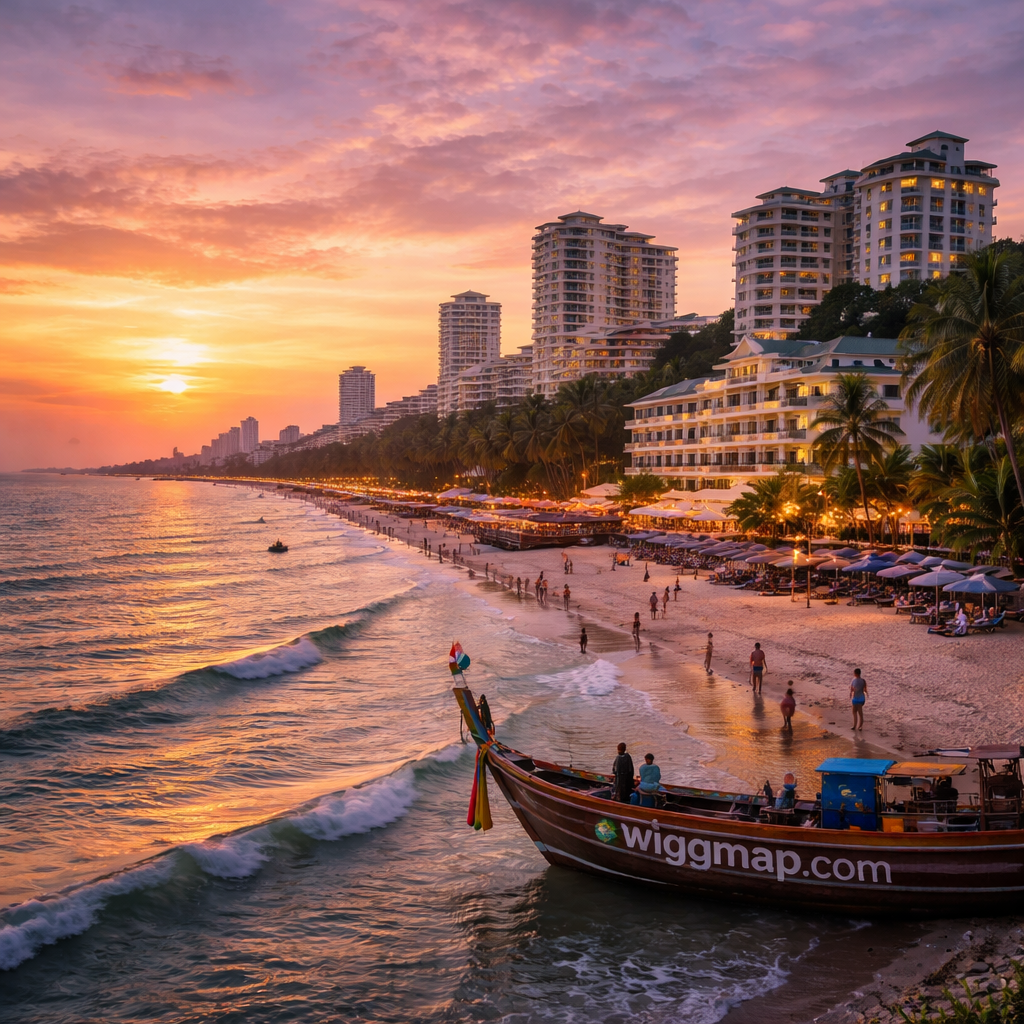
Expect tropical climate: hot season (March-May, 35-40°C brutal heat), rainy season (June-Oct, monsoon), cool season (Nov-Feb, 25-30°C pleasant). The landscape includes beaches (Andaman Sea, Gulf of Thailand), mountains (north), jungles, rice paddies, and 1,430+ islands. Natural beauty is stunning but overdeveloped (Phuket, Pattaya). Air quality in Bangkok is terrible (PM2.5 pollution). Flooding is common in rainy season.
🏠 Housing & settling in
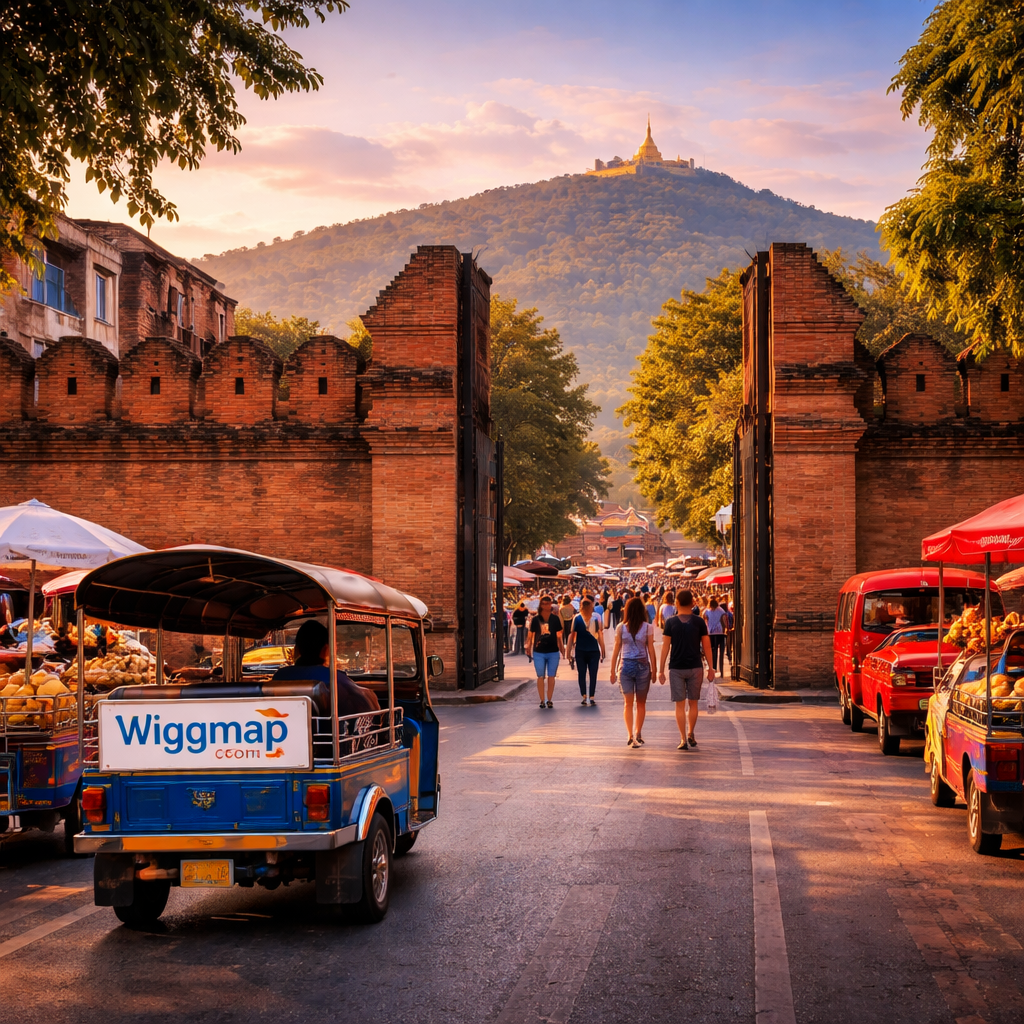
Bangkok (Sukhumvit, Silom, Sathorn), Chiang Mai (Nimman, Old City), Phuket, Pattaya attract expats. Expect 2 months deposit and annual contracts. Rents: Bangkok ฿15k-40k/month ($430-1,150); Chiang Mai ฿8k-25k; islands ฿10k-30k. Quality varies — modern condos are good; older buildings lack maintenance. AC essential (runs 24/7). Outside tourist/expat areas, options for foreigners are minimal. Registration required. Buying property is restricted (foreigners can own condo units, not land). Flooding affects some areas.
💼 Work & economy
The economy is tourism (20% of GDP pre-COVID, recovering), manufacturing (automotive, electronics), agriculture (rice, rubber), and services. For foreigners, opportunities exist in teaching English, tourism, hospitality, diving instruction, or remote work (digital nomad visa). Work permits require employer sponsorship and are difficult. Salaries are low (฿30k-80k/month, $860-2,300) but costs match. Many work illegally or on tourist visas (risky — deportation, blacklist). Starting a business requires Thai partner (51%+ ownership usually). Digital nomad scene is huge (Chiang Mai, Bangkok).
🛂 Visa & entry
Most nationalities get 30-day visa exemption (60 days for some). Tourist visas (60 days) available. For longer stays, options include education visa (language schools), retirement visa (50+, ฿800k in bank), marriage visa, or Elite visa (฿600k-2M for 5-20 years). Digital nomad visa (DTV) launched 2024 (180 days). Work permits are difficult. Permanent residence is extremely difficult. Citizenship is nearly impossible. Visa runs to neighboring countries are common.
🏥 Healthcare
Healthcare is two-tier. Public hospitals are crowded but affordable. Private hospitals (Bumrungrad, Bangkok Hospital) offer excellent care at reasonable prices — medical tourism attracts internationals (cosmetic surgery, dental, procedures). Doctors are well-trained (many Western-trained). Life expectancy is ~77 years. International insurance or pay-as-you-go works. Prescription drugs are cheap and available (pharmacies are everywhere).
🚗 Transport & mobility
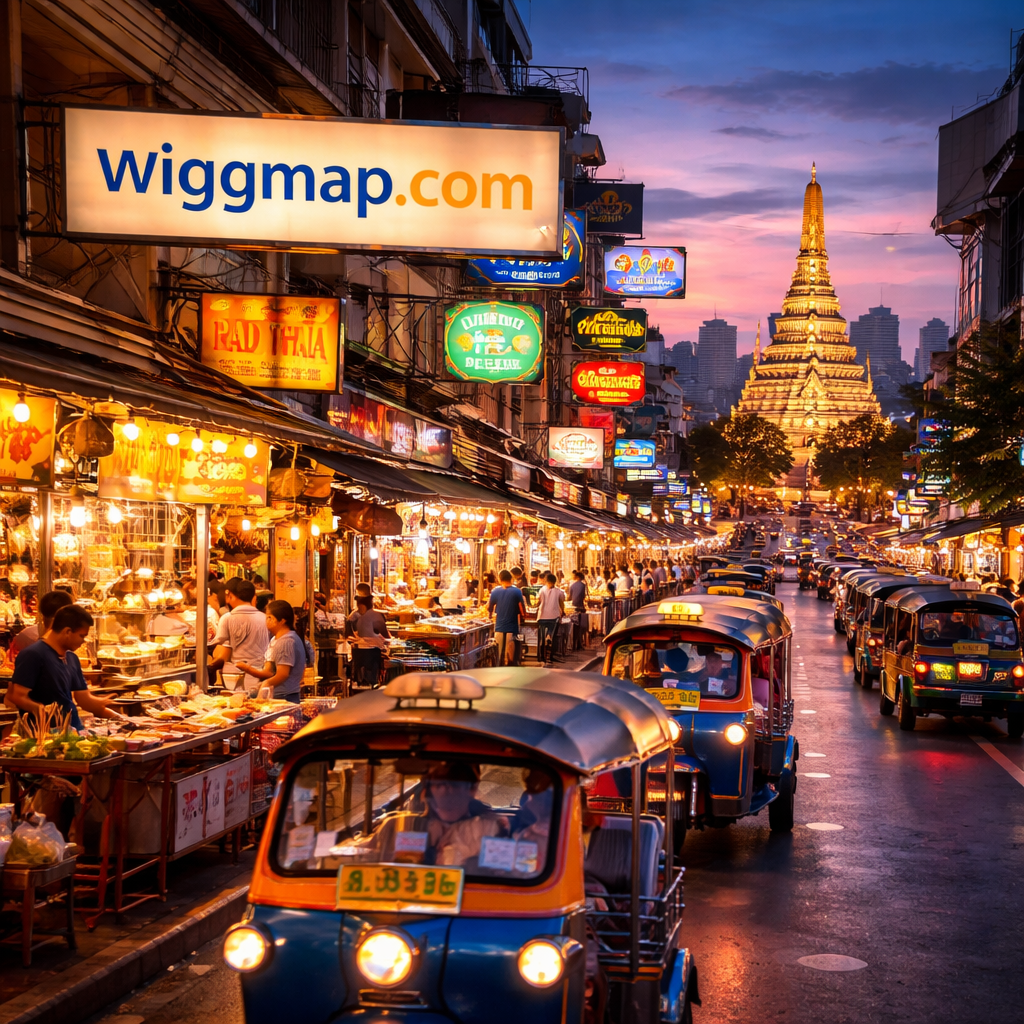
Bangkok has BTS Skytrain, MRT metro, buses, boats, tuk-tuks — functional but traffic is nightmare (world's 10 worst). Most expats use BTS/MRT or motorcycles. Intercity buses are cheap and comfortable. Trains are slow but scenic. The country is moderate size — Bangkok to Chiang Mai is 700km (9hr bus, 1hr flight). Domestic flights are cheap. Islands require boats/ferries. Suvarnabhumi Airport (Bangkok) is hub. Driving is dangerous (2nd-highest road death rate globally).
🍛 Food note (national dish)
The national dish is Pad Thai
: stir-fried rice noodles with shrimp/chicken, egg, peanuts, lime. Alternatively, Tom Yum Goong
(spicy shrimp soup) or Som Tam
(papaya salad). Thai cuisine is world-class — balance of sweet, sour, salty, spicy, umami. Street food is excellent and safe. Regional cuisines differ dramatically (north, northeast, south).
🔎 Bottom line
Thailand suits digital nomads (Chiang Mai is hub), retirees (affordable, healthcare, weather), English teachers, beach lovers, and budget travelers extending stays. Pros: affordability, food (world's best street food), beaches, healthcare (medical tourism), friendliness, and tropical climate. Cons: political instability (13 coups since 1932), lèse-majesté laws (15 years for criticizing king — foreigners prosecuted), traffic/pollution (Bangkok), two-tier pricing (foreigners pay more), and visa uncertainty. Bangkok is chaos; Chiang Mai is digital nomad capital; islands are overdeveloped but beautiful. Best for those with remote income, pensions, or teaching jobs and comfortable with political uncertainty. Monarchy criticism is absolutely forbidden — foreigners are jailed. If you can handle heat, pollution, and accept authoritarian monarchy for affordability and lifestyle, Thailand delivers.
Expat Score — 7.0 / 10