

🧭 Overview
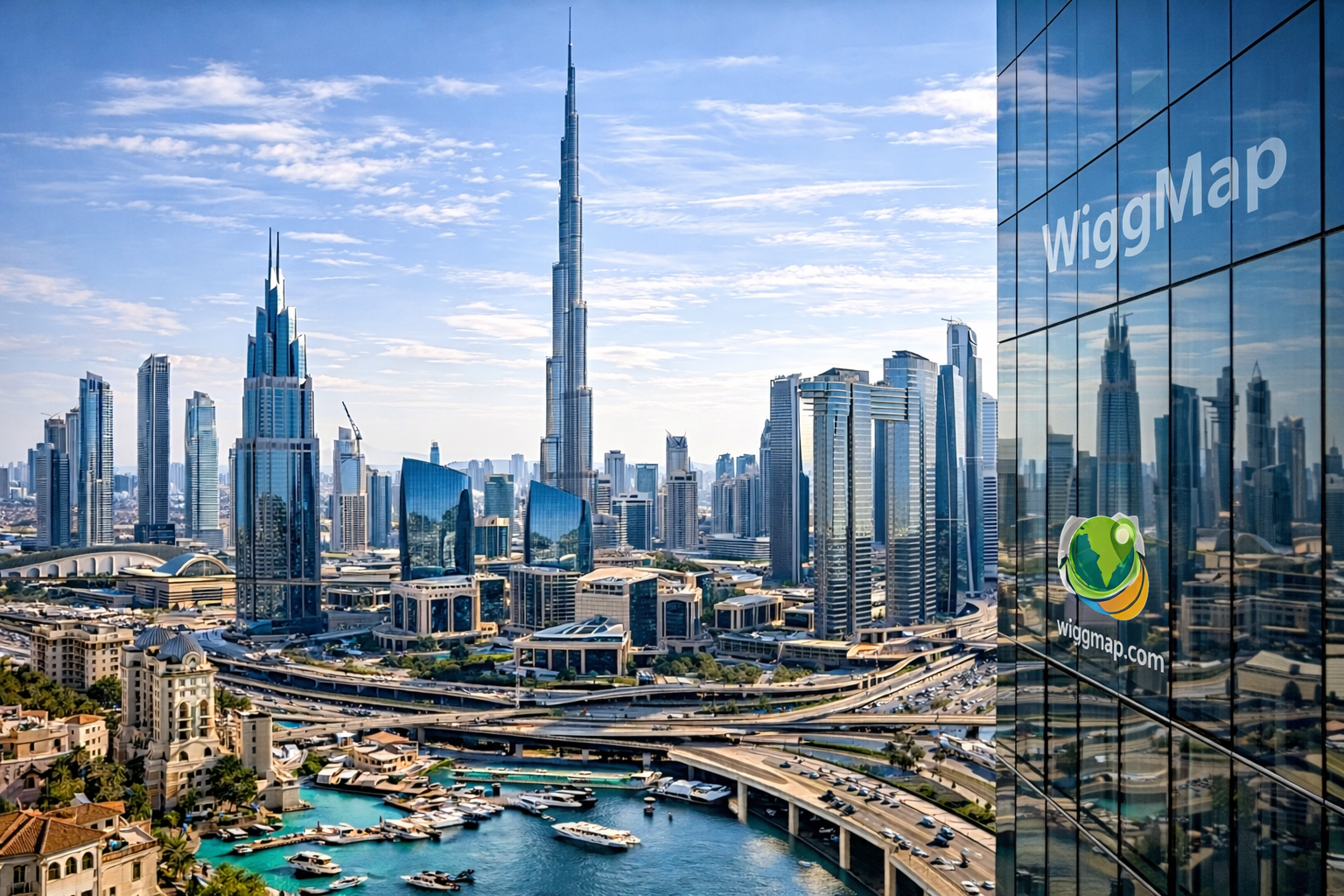
The UAE is federation of seven emirates (Abu Dhabi, Dubai, Sharjah, Ajman, Umm Al Quwain, Ras Al Khaimh, Fujairah) transformed from Bedouin desert to futuristic cities in 50 years (oil wealth since 1970s). Dubai is global business/tourism hub (Burj Khalifa, Palm Jumeirah); Abu Dhabi is capital with sovereign wealth. The country offers tax-free salaries, modern infrastructure, safety, strategic location, and ambition (Mars mission, nuclear power, Expo 2020). However, extreme heat, kafala labor system, conservative Islamic laws (alcohol restricted, public affection illegal), expat underclass status, and artificiality create challenges. Economy is diversifying: oil (25% of GDP, mostly Abu Dhabi), real estate, tourism, aviation (Emirates, Etihad), and finance.
👥 People & vibe
With roughly 10 million people, only ~10% are Emirati citizens; ~90% are expats (Indians ~30%, Pakistanis, Bangladeshis, Filipinos, Europeans, Americans). Arabic is official; English is business lingua franca; Hindi/Urdu widely spoken. Islam is state religion. The culture is stratified: privileged Emiratis (government jobs, welfare), Western expat professionals (good salaries), Asian labor force (exploitation under kafala). Emiratis are hospitable but insular. The vibe is consumption, ambition, and transience. Dubai is mall-to-mall lifestyle; Abu Dhabi is more traditional; Sharjah is conservative. Everything is imported — no authenticity, all artifice.
🌦️ Climate & landscape
Expect desert climate: scorching summers (40-50°C, May-Sept with 80%+ humidity near coast), mild winters (20-28°C, Nov-March). The landscape is desert, coastal areas (Persian Gulf), Hajar Mountains (east, Hatta), and man-made islands (Palm Jumeirah). Natural beauty is absent except mountains. Indoor lifestyle is mandatory in summer. Air quality is moderate but dust storms occur.
🏠 Housing & settling in
Dubai (Dubai Marina, JBR, Downtown, Arabian Ranches), Abu Dhabi (Al Reem Island, Yas Island) attract expats. Expect employer-provided housing or allowance. Rents: Dubai AED 60k-150k/year ($16k-41k); Abu Dhabi similar. Quality is good — modern apartments/villas, AC (essential), amenities. Most expats live in communities or towers. Registration (Emirates ID) required. Alcohol requires license (non-Muslims only, Dubai relaxed rules 2020). Buying property is allowed in freehold areas. Conservative dress code in public (loosening in Dubai).
💼 Work & economy
The economy is diversified: oil/gas (Abu Dhabi), real estate, tourism, aviation (Emirates is world's largest international airline), finance (DIFC free zone), and trade (Jebel Ali port). For foreigners, opportunities exist in finance, aviation, hospitality, real estate, tech, or construction. Work visas require employer sponsorship (kafala system). Salaries are tax-free and high but tied to nationality (Western passports earn 5-10x Asian passports for same work). Saving potential is high. English works universally. Kafala creates dependency and exploitation (can't change jobs without employer permission).
🛂 Visa & entry
Many nationalities get visa on arrival (30-90 days). For work, employer handles sponsorship (kafala — employer controls visa, exit permit required). Golden Visa (5-10 years) for investors, entrepreneurs, skilled professionals. The process is efficient. Permanent residence is nearly impossible. Citizenship is only for those with Emirati heritage or exceptional contributions (extremely rare). Residence is temporary and employment-dependent.
🏥 Healthcare
Healthcare is excellent and mandatory insurance-based. Private hospitals (Cleveland Clinic, Mediclinic, NMC) offer world-class care. Quality is top-tier. Life expectancy is ~78 years. Expats typically have employer insurance. No expense is spared. Medical tourism attracts GCC nationals. System is efficient.
🚗 Transport & mobility
Dubai has metro (driverless), trams, buses — modern, clean, AC. Most people drive (cars are affordable, fuel is cheap). Roads are excellent. Traffic is heavy during rush hour. Abu Dhabi has buses. Intercity travel is easy — Dubai to Abu Dhabi is 1.5hr. Domestic flights to smaller emirates. Dubai Airport and Abu Dhabi Airport are major hubs. Taxis and ride-hailing widely available.
🍛 Food note (national dish)
The national dish is Al Harees
: wheat and meat slow-cooked to porridge consistency, served during Ramadan and celebrations. Alternatively, Shawarma
or Machbous
(spiced rice with meat). Emirati cuisine is Arabian Gulf food but international cuisine dominates due to expat population. Dining is expensive.
🔎 Bottom line
The UAE suits high earners seeking tax-free savings (finance, aviation, hospitality, tech professionals), short-term wealth accumulation (3-5 year stints), luxury lifestyle seekers, and strategic career positioning. Pros: tax-free income (save 40-60%+), safety (extremely low crime), modern infrastructure (world-class), strategic location (hub between Europe/Asia/Africa), and career opportunities. Cons: extreme heat (summer is brutal), kafala exploitation (workers' rights abused), conservative Islamic laws (alcohol restrictions, public affection illegal, cohabitation was illegal until recently), expat underclass (no path to citizenship, tied to employer), and artificiality (everything is imported, no authentic culture). Dubai is flashy but soulless; Abu Dhabi is wealthier but quieter. Best for those prioritizing money over freedom, accepting temporary status, and handling heat/restrictions. Kafala system is modern slavery per critics — passport confiscation, wage theft, deaths (construction workers). If you can handle restrictions and heat for tax-free earnings and luxury lifestyle, UAE delivers. But it's gilded cage and transient.
Expat Score — 7.0 / 10