


🧭 Overview
Vietnam is Southeast Asian nation that defeated France (1954), America (1975), and China (1979 border war), now thriving as manufacturing hub and tourist destination. Hanoi is capital in north; Ho Chi Minh City (Saigon) is economic engine in south; Hoi An is UNESCO town; Ha Long Bay is natural wonder. The communist government maintains one-party rule but embraced market reforms (Đổi Mới, 1986). Economy is manufacturing (textiles, electronics, Nike/Adidas), agriculture (rice, coffee — world's 2nd-largest coffee exporter), and tourism. Vietnam offers affordability, food (world-class cuisine), beaches, culture, and rapid development. However, one-party state restrictions, traffic chaos (scooter mayhem), pollution, and authoritarianism create challenges.
👥 People & vibe
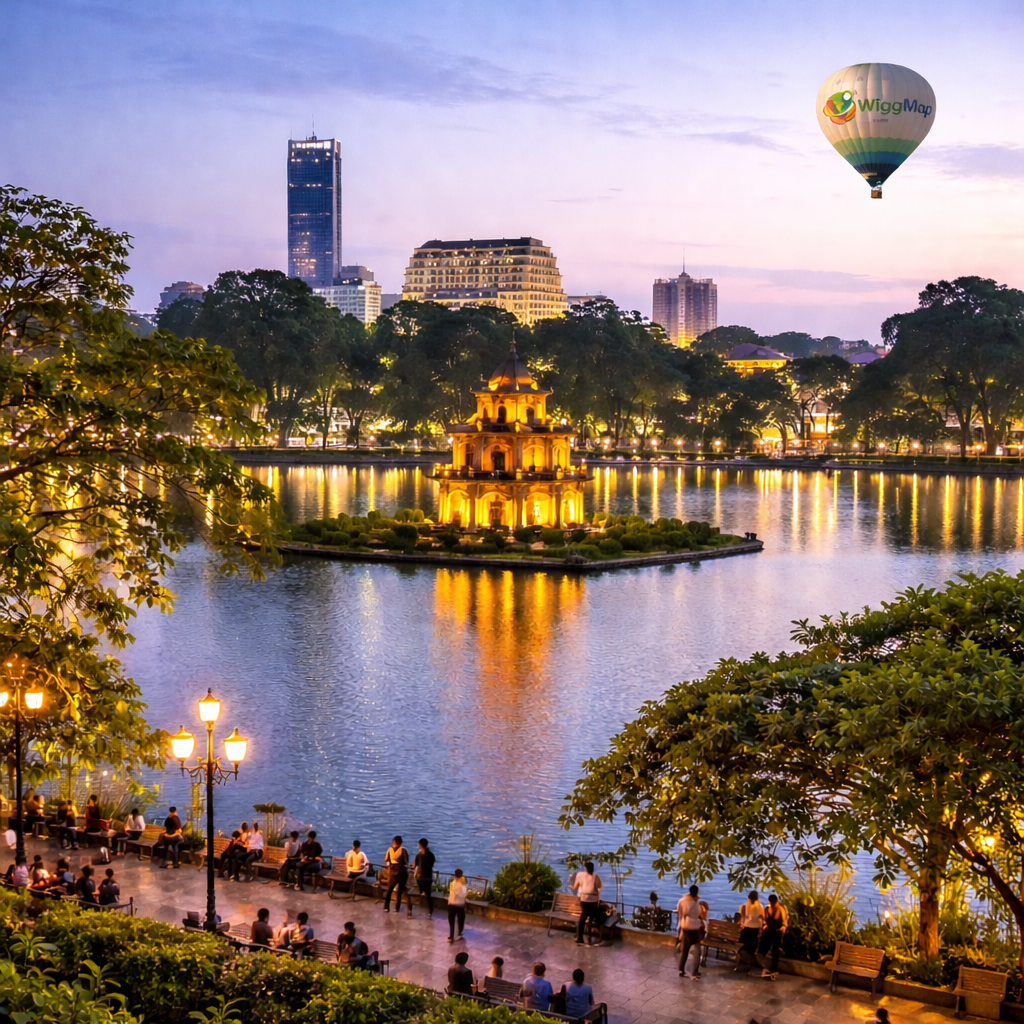
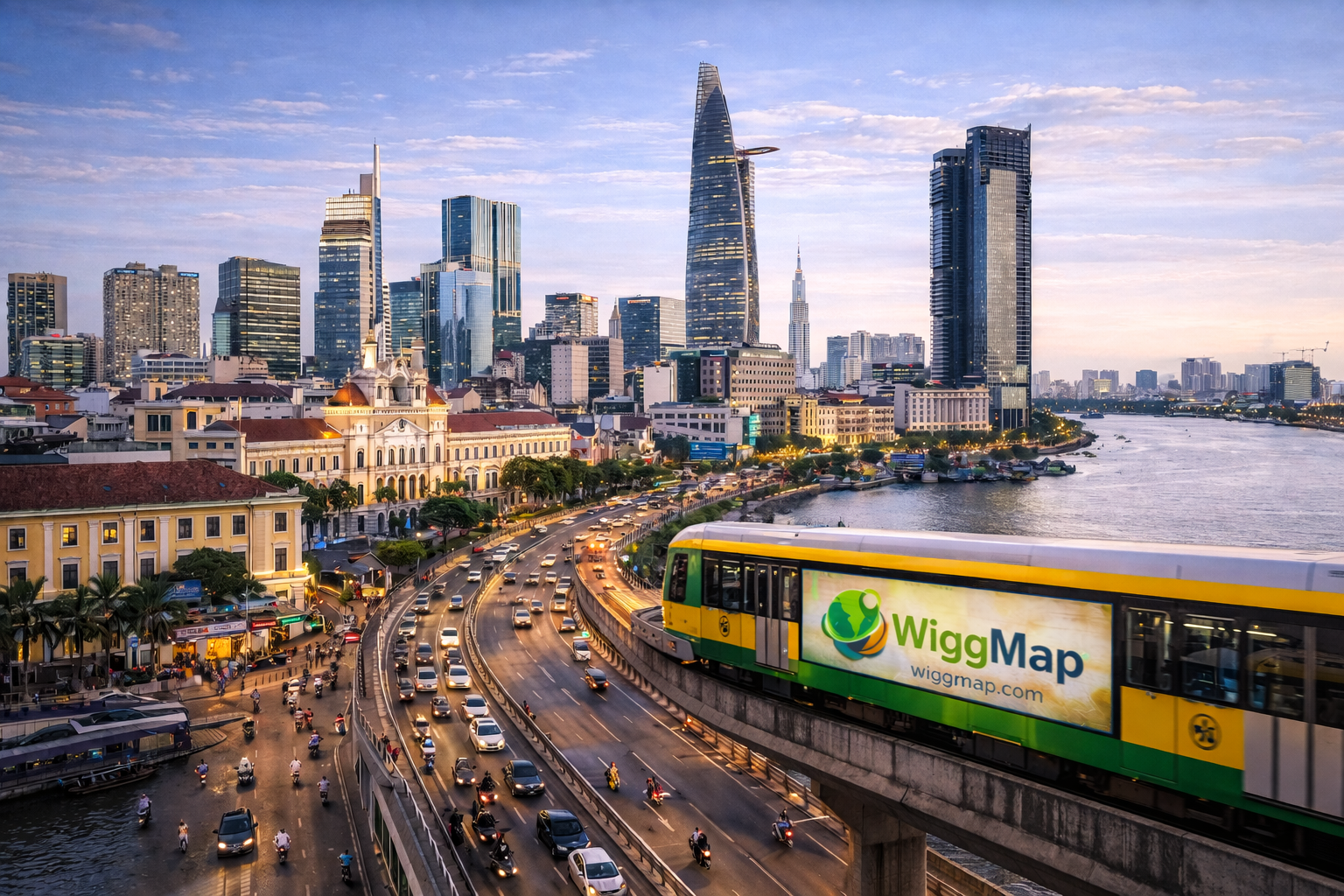
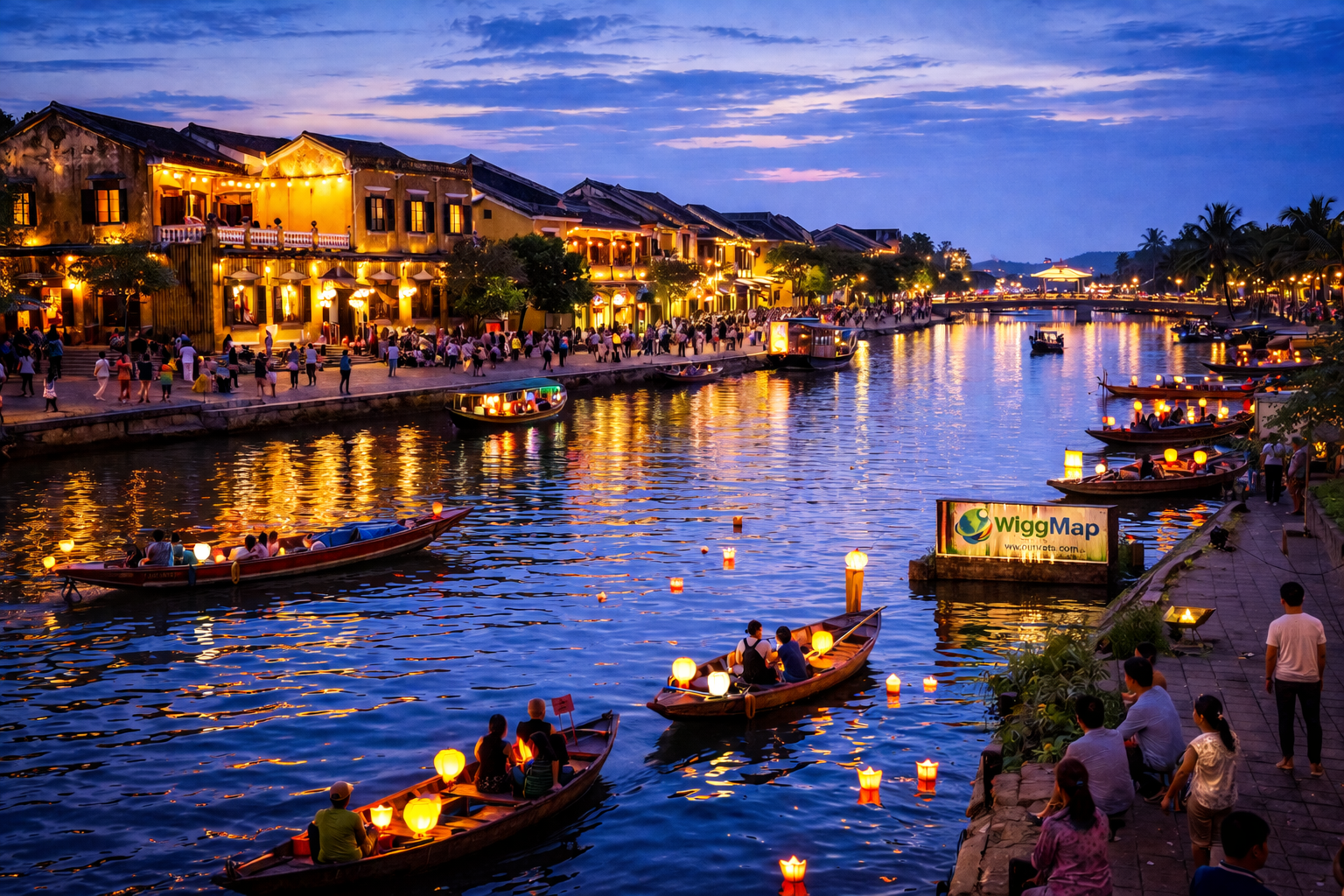
With roughly 98 million people, Vietnam is ethnically Kinh Vietnamese (~86%), plus 53 ethnic minorities (Tay, Thai, Mường, Hmong, others). Vietnamese is language (tonal, difficult); English is growing rapidly (taught in schools). Buddhism, Catholicism, Cao Đài, and traditional beliefs coexist. The culture emphasizes family, respect, entrepreneurship (everyone is hustler), and resilience. Vietnamese are friendly, hardworking, and proud of defeating superpowers. The vibe is energetic hustle. Hanoi is political center with French colonial charm; HCMC is capitalist chaos; Hoi An is lanterns and tailors; Mekong Delta is rice paddies. War legacy is visible (Cu Chi tunnels, War Remnants Museum) but country looks forward.
🌦️ Climate & landscape
Climate varies: north (Hanoi) has four seasons (hot summer, cold winter 10-15°C); south (HCMC) is tropical year-round (25-35°C); central has typhoons (Sept-Dec). The landscape includes Ha Long Bay (limestone karsts, UNESCO), Mekong Delta (rice paddies, floating markets), mountains (Sapa terraces), beaches (Nha Trang, Phu Quoc), and Red River/Mekong deltas. Natural beauty is stunning. Air quality in cities is poor (scooter pollution). Typhoons hit central coast.
🏠 Housing & settling in
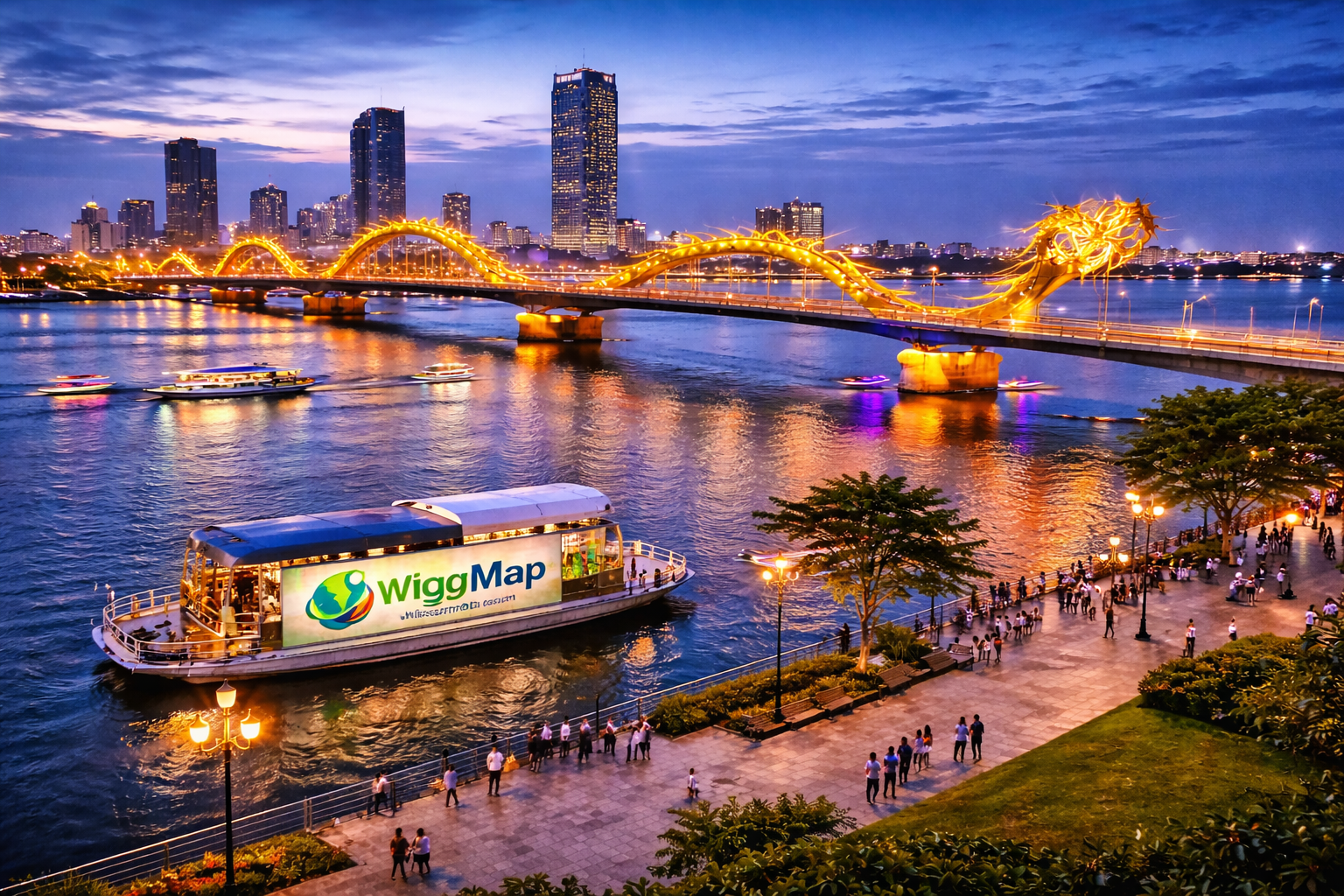
Hanoi (Tay Ho, Hai Ba Trung), HCMC (District 1, District 2, Thao Dien), Da Nang, Hoi An attract expats. Expect 1-2 months deposit and annual contracts. Rents: Hanoi $500-1,500/month; HCMC $400-1,200; smaller cities $300-800. Quality varies — modern apartments are good; alley houses ('hem') are local style. AC essential. Outside cities, options for foreigners are minimal. Registration required. Buying property is restricted (foreigners can own apartments with conditions). Scooter noise is constant.
💼 Work & economy
The economy is manufacturing (textiles for Zara/H&M, electronics, Nike factories), agriculture (rice, coffee — #2 global exporter), tourism, and services. For foreigners, opportunities exist in teaching English (huge demand), manufacturing, tech (growing startup scene), hospitality, or NGOs. Work permits require employer sponsorship. Salaries are low ($1,000-2,500/month) but costs match. Many work on tourist visas (risky). Starting a business involves navigating bureaucracy and finding Vietnamese partner (51%+ local ownership often required). Vietnamese proficiency helps integration.
🛂 Visa & entry
E-visa available (90 days, $25). For longer stays, work permits, business visas, or temporary residence cards exist. The process is bureaucratic. Visa runs to neighboring countries were common but scrutinized. Permanent residence is extremely difficult. Citizenship is nearly impossible without Vietnamese heritage. System is opaque.
🏥 Healthcare
Healthcare is two-tier. Public hospitals are overcrowded and poor quality. Private hospitals/clinics (FV Hospital, Family Medical Practice) in Hanoi/HCMC offer good care at affordable prices. Serious conditions may require travel to Thailand, Singapore, or home country. Life expectancy is ~76 years. International insurance or pay-as-you-go works. Prescription drugs are cheap and widely available.
🚗 Transport & mobility
Scooters dominate (45M+ scooters for 98M people). Crossing streets is Frogger game — constant stream of scooters. Most expats rent scooters. Public transport is limited — Hanoi has metro (under construction), buses exist. Traffic is chaotic but functional. Intercity buses are cheap and decent. Trains are slow but scenic (Reunification Express, Hanoi-HCMC 30+ hours). The country is long and narrow — north to south is 1,600km. Domestic flights are cheap. Major airports: Hanoi, HCMC, Da Nang.
🍛 Food note (national dish)
The national dish is Phở
: rice noodle soup with beef or chicken, herbs. Eaten for breakfast. Alternatively, Bánh Mì
(baguette sandwich — French colonial legacy), Bún Chả
(grilled pork with noodles), or Gỏi Cuốn
(spring rolls). Vietnamese cuisine is world-class — balance of flavors, fresh herbs, French influence. Street food is excellent and cheap.
🔎 Bottom line
Vietnam suits English teachers (huge demand), digital nomads, budget travelers extending stays, foodies, and manufacturing/tech workers. Pros: affordability, food (world-class street food), beaches, rapid development, friendly people, and vibrant culture. Cons: one-party communist state (no political freedom, censorship), traffic chaos (scooter mayhem is dangerous), air pollution (cities), authoritarianism (dissent is crushed), and bureaucracy. Hanoi is political/cultural; HCMC is economic chaos; Hoi An is tourist charm; Phu Quoc is beach escape. Best for those comfortable with authoritarian governance, traffic chaos, and prioritizing affordability and food over freedoms. The government crushed 2018 protests (Hanoi, HCMC — anti-economic zones). If you can handle one-party state, scooter traffic, and pollution for incredible food and affordability, Vietnam delivers.
Expat Score — 7.0 / 10