


🧭 Overview
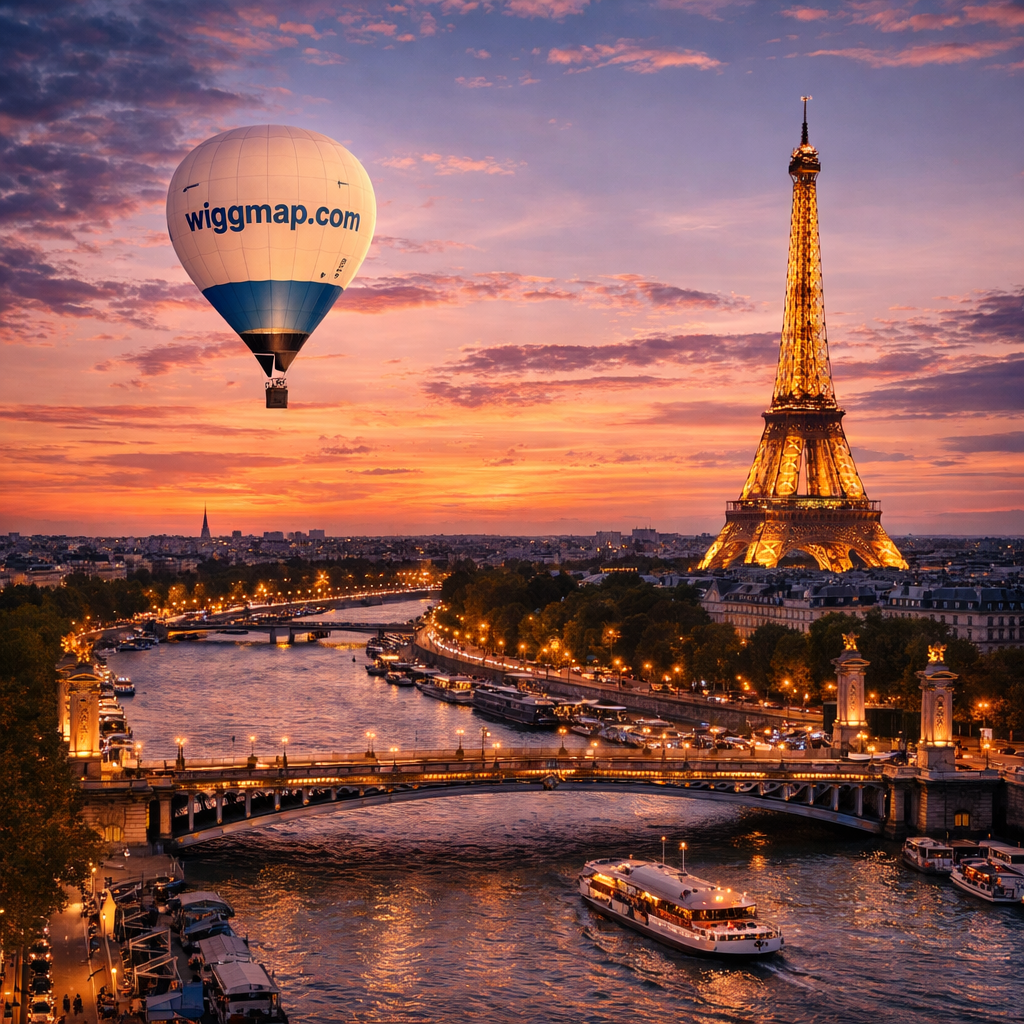
France is Western Europe's largest nation, global cultural powerhouse, and EU's second-largest economy. From Paris (City of Light) to Mediterranean Riviera, Alpine ski resorts, Bordeaux vineyards, and Atlantic beaches — geographic diversity matches cultural influence. France offers world-class cuisine, wine, art, architecture, and lifestyle. The economy is diversified: aerospace, luxury goods, tourism, agriculture, and nuclear energy. However, France faces challenges: high taxes (among world's highest), bureaucracy (legendary), social tensions (banlieue unrest, strikes), and declining competitiveness. The French paradox: high quality of life meets systemic frustrations.
👥 People & vibe
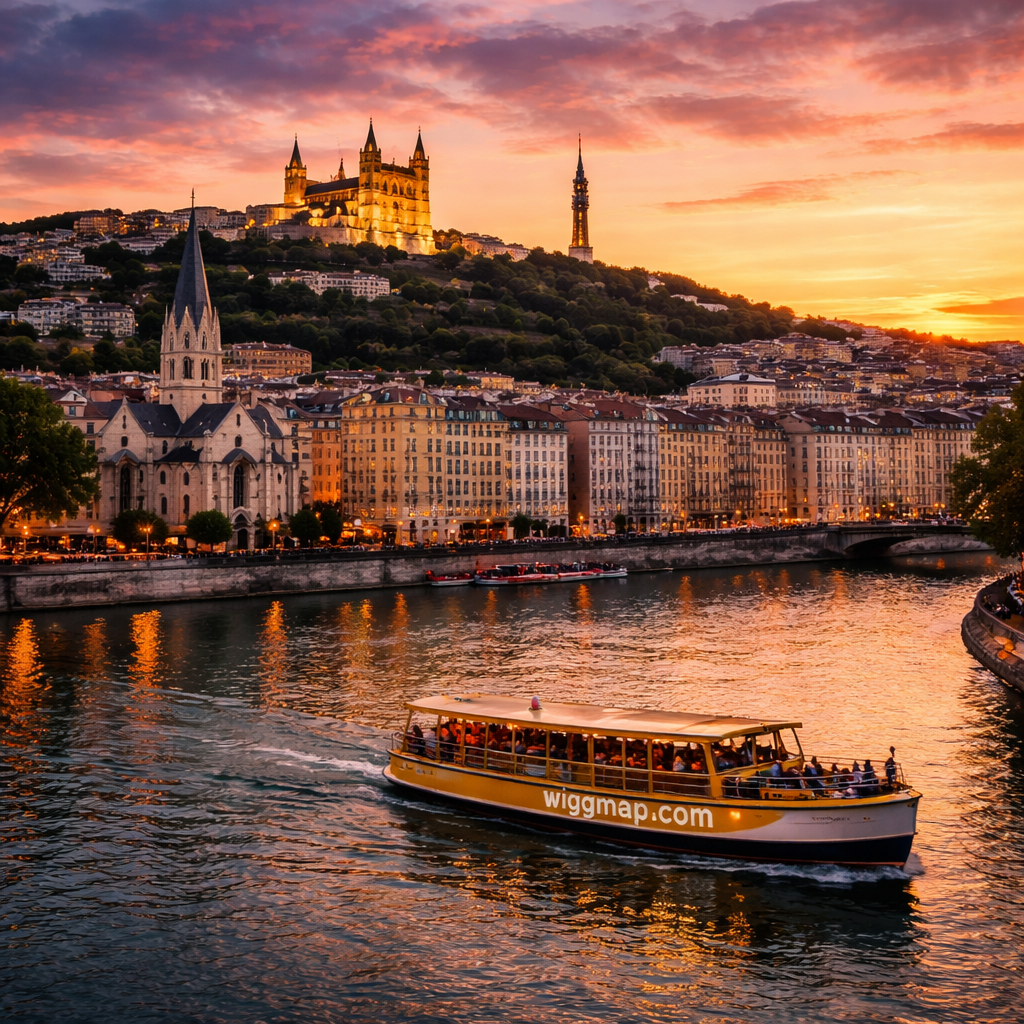
With roughly 68 million people, France is ethnically diverse due to colonial history — significant North African, sub-Saharan African, and other immigrant communities. French language is central to national identity (efforts to preserve it against English). The culture emphasizes intellectual discourse, gastronomy, secularism (laïcité), and social welfare. French are proud, direct, and value good living (joie de vivre). Stereotypes have truth: Parisians can be brusque; southerners are warmer. The vibe varies: Paris is cosmopolitan hustle; Provence is Mediterranean relaxation; Brittany is Celtic tradition; Lyon is gastronomic. Strikes and protests are national sport.
🌦️ Climate & landscape
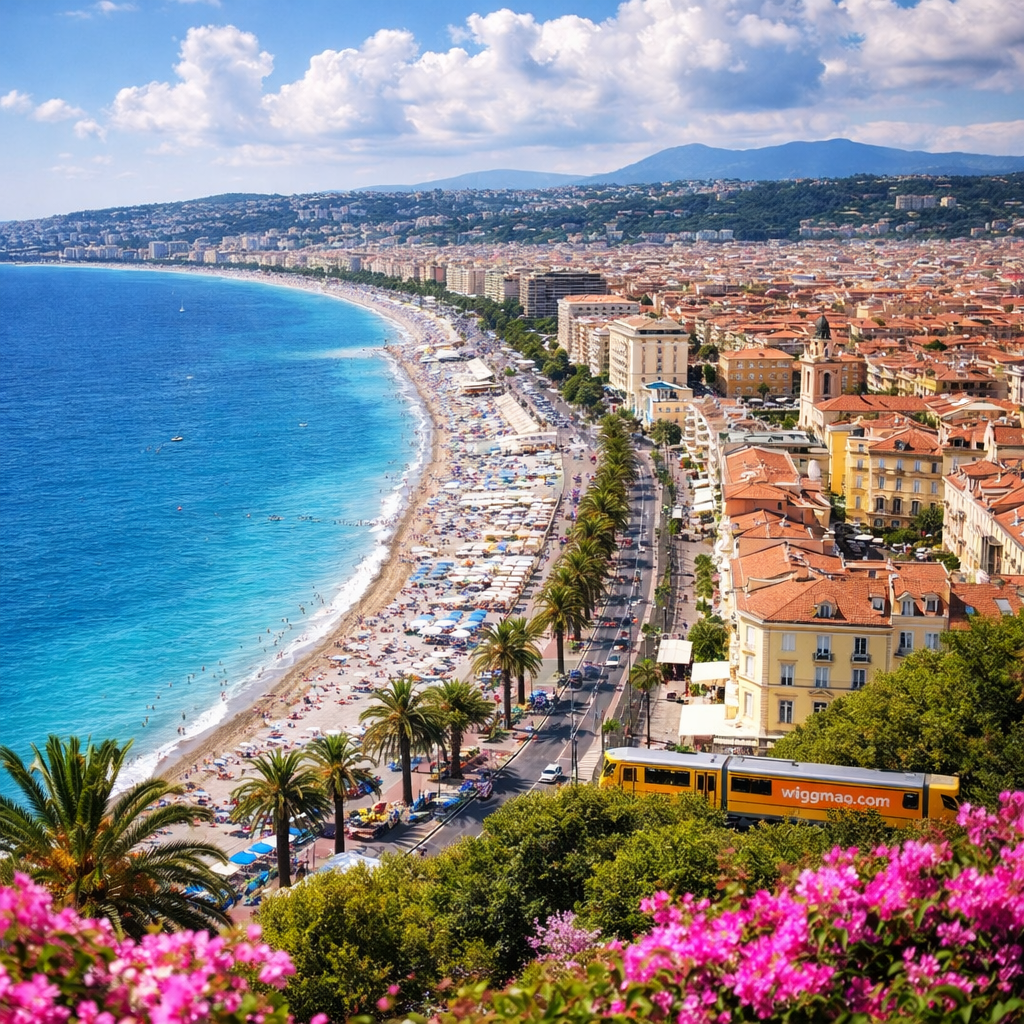
Climate varies dramatically: Paris/north has temperate maritime (mild, rainy); Mediterranean coast is hot, dry summers; Alps are Alpine; Atlantic west is rainy. The landscape includes coastlines (Atlantic, Mediterranean, English Channel), Alps and Pyrenees mountains, river valleys (Loire, Rhône), lavender fields (Provence), and diverse countryside. Natural beauty ranges from dramatic to pastoral. Four distinct seasons in most regions. Air quality is generally good except urban pollution.
🏠 Housing & settling in
Paris housing is notoriously expensive and small (€1,200-2,500+/month for 40-50m²). Popular arrondissements: 10th, 11th, 18th for affordability; 6th, 7th for charm (expensive). Expect 1 month deposit, guarantor requirements, and competitive market. Outside Paris, Lyon, Marseille, Bordeaux, Nice have better value. Quality varies — Haussmann-era apartments charm; modern suburbs lack character. French bureaucracy in housing is legendary: dossier requirements, guarantors, proof of income (3x rent). Registration is mandatory. Buying property involves notaire fees (7-8%). Winter heating essential in north; AC rare.
💼 Work & economy
France has large, diversified economy: aerospace (Airbus), luxury (LVMH, Hermès), automotive (Renault, Peugeot), energy (nuclear dominance), agriculture (wine, cheese), and services. For EU citizens, free movement applies. Non-EU need work permits through employer sponsorship. Opportunities exist in tech (Station F startup hub), multinationals, luxury sector, or teaching English. Salaries are good but taxes are very high (30-45%+ marginal). Work-life balance is protected: 35-hour week (though many work more), 5 weeks vacation minimum, strict labor laws. French language is essential for most jobs. Strikes are frequent.
🛂 Visa & entry
EU/EEA/Swiss citizens have free movement rights. Non-EU can visit Schengen zone 90 days in 180 days. For longer stays, options include work permits (Passeport Talent for skilled workers), student visas, entrepreneur visa, or family reunion. The bureaucracy is notorious — préfecture appointments are difficult, requirements are unclear, processing is slow. Permanent residence (carte de résident) requires 5 years. Citizenship requires 5 years residence (2 if married to French), French language proficiency (B1), and integration test. Naturalization is achievable but bureaucratic.
🏥 Healthcare
Healthcare is world-class universal system (Sécurité Sociale). Quality is excellent with well-trained doctors, modern hospitals, comprehensive coverage. However, upfront payment required then reimbursed (70-100%). Mutuelle (supplementary insurance) covers gaps. Life expectancy is ~83 years. Prescription drugs are subsidized. Doctor shortage in rural areas. Emergency care is excellent. EU citizens use EHIC. System is generous but expensive to fund (high taxes/contributions).
🚗 Transport & mobility
Paris has excellent metro, RER, buses, trams — extensive and mostly efficient (though strikes disrupt). TGV high-speed rail connects cities brilliantly — Paris to Marseille 3 hours, to Bordeaux 2 hours. Roads are well-maintained. Driving in Paris is nightmare; outside cities is pleasant. Cycling infrastructure improving. Domestic flights unnecessary due to TGV. Charles de Gaulle Airport is major European hub. Strict driving laws (speed cameras everywhere). Public transport quality varies by city.
🍛 Food note (national dish)
There's no single national dish but Coq au Vin
(chicken braised in wine), Boeuf Bourguignon
, or simply Baguette and Cheese
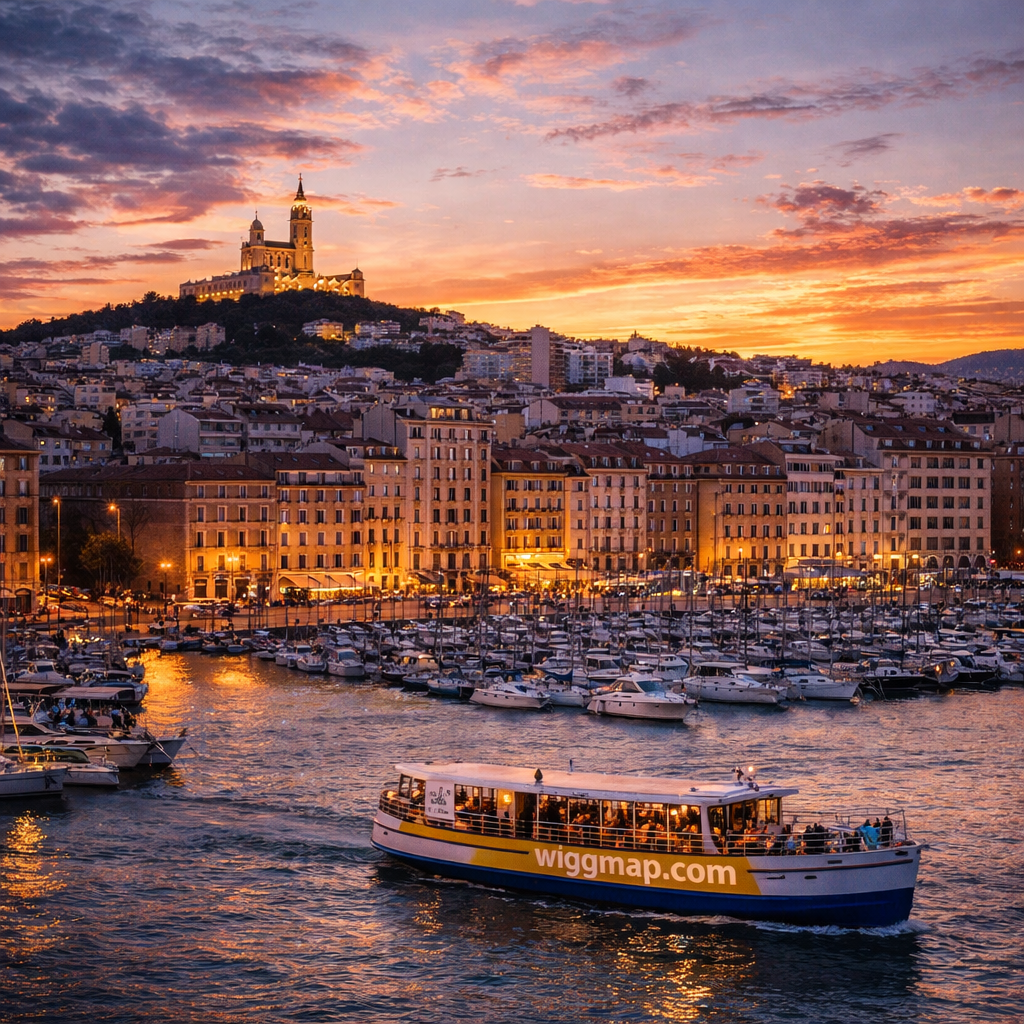
represent French gastronomy. Regional diversity is immense: Bouillabaisse (Marseille), Cassoulet (southwest), Quiche Lorraine (northeast), Crêpes (Brittany). French cuisine is UNESCO Intangible Heritage. Wine, cheese (400+ varieties), and bread are sacred.
🔎 Bottom line
France excels for those prioritizing quality of life, culture, gastronomy, work-life balance, and healthcare. Pros: world-class cuisine/wine, culture/art, excellent healthcare, infrastructure (TGV), paid vacation, and diverse geography. Cons: very high taxes (45%+ marginal), legendary bureaucracy, frequent strikes, integration challenges (language barrier), and declining economic dynamism. Paris is expensive and crowded; provinces offer better value and quality of life. Best for EU citizens (free movement) or those with employer sponsorship and patience for administration. French language is essential for integration. If you can navigate bureaucracy and accept high taxes, France delivers incomparable lifestyle.
Expat Score — 8.0 / 10