


🧭 Overview
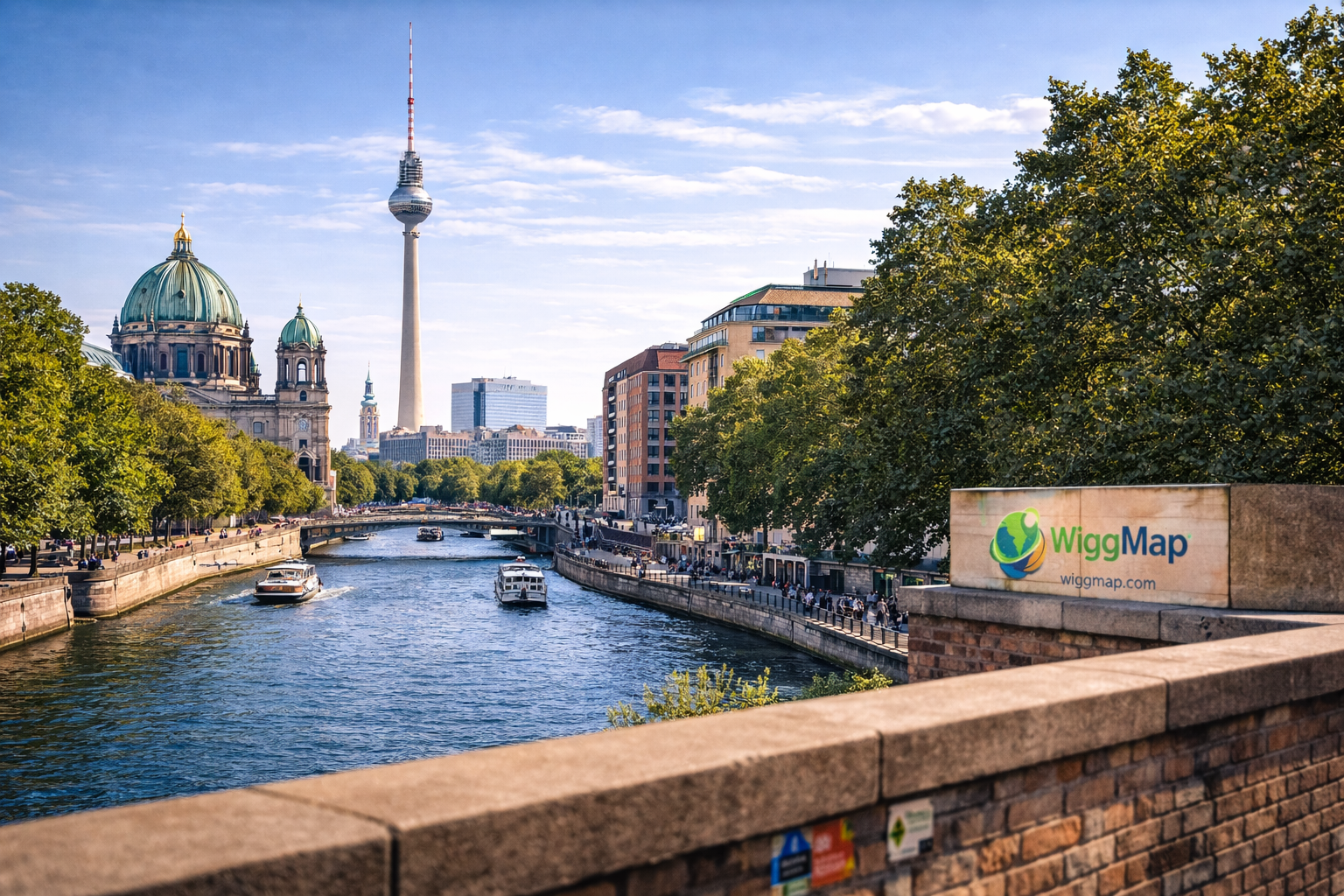
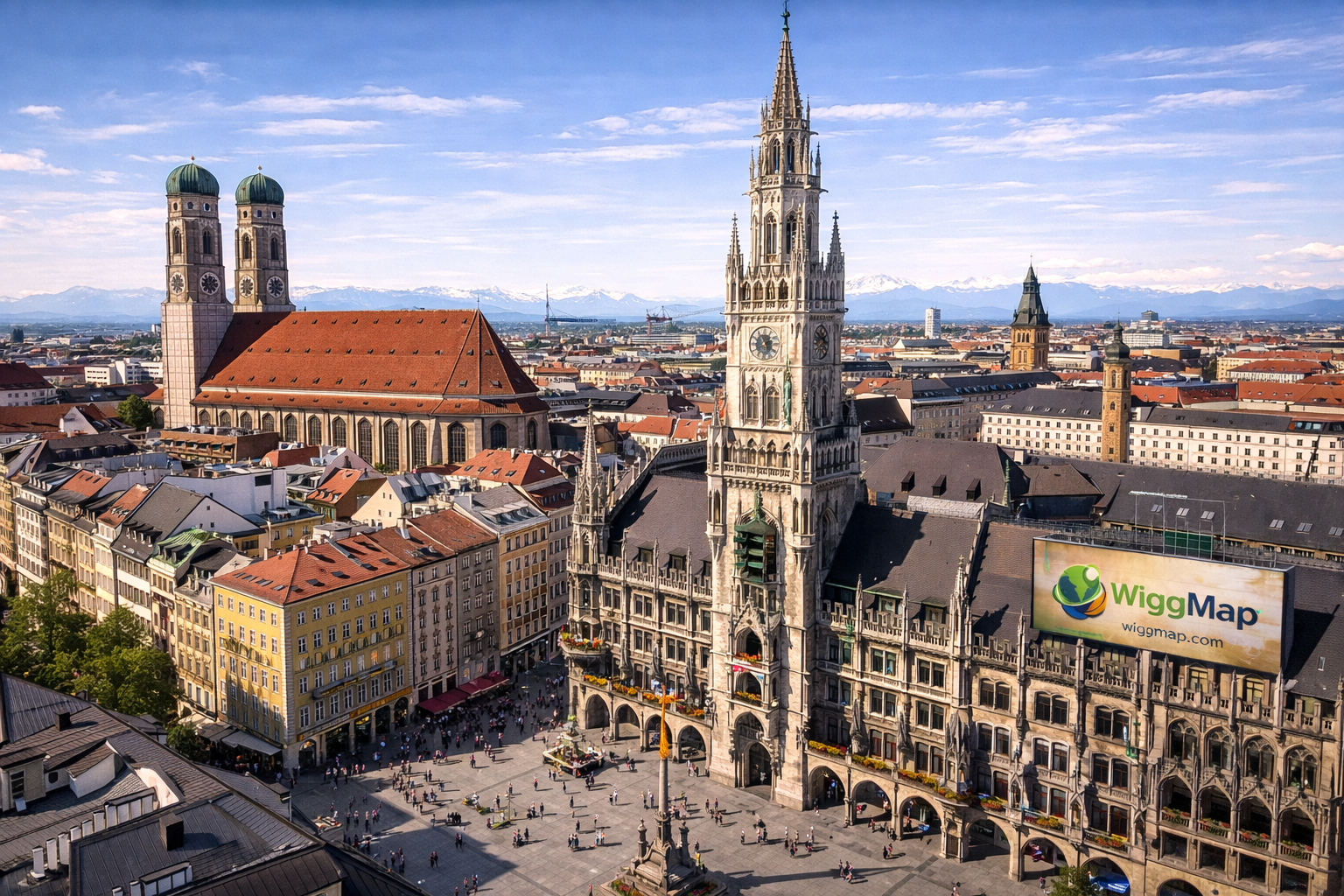
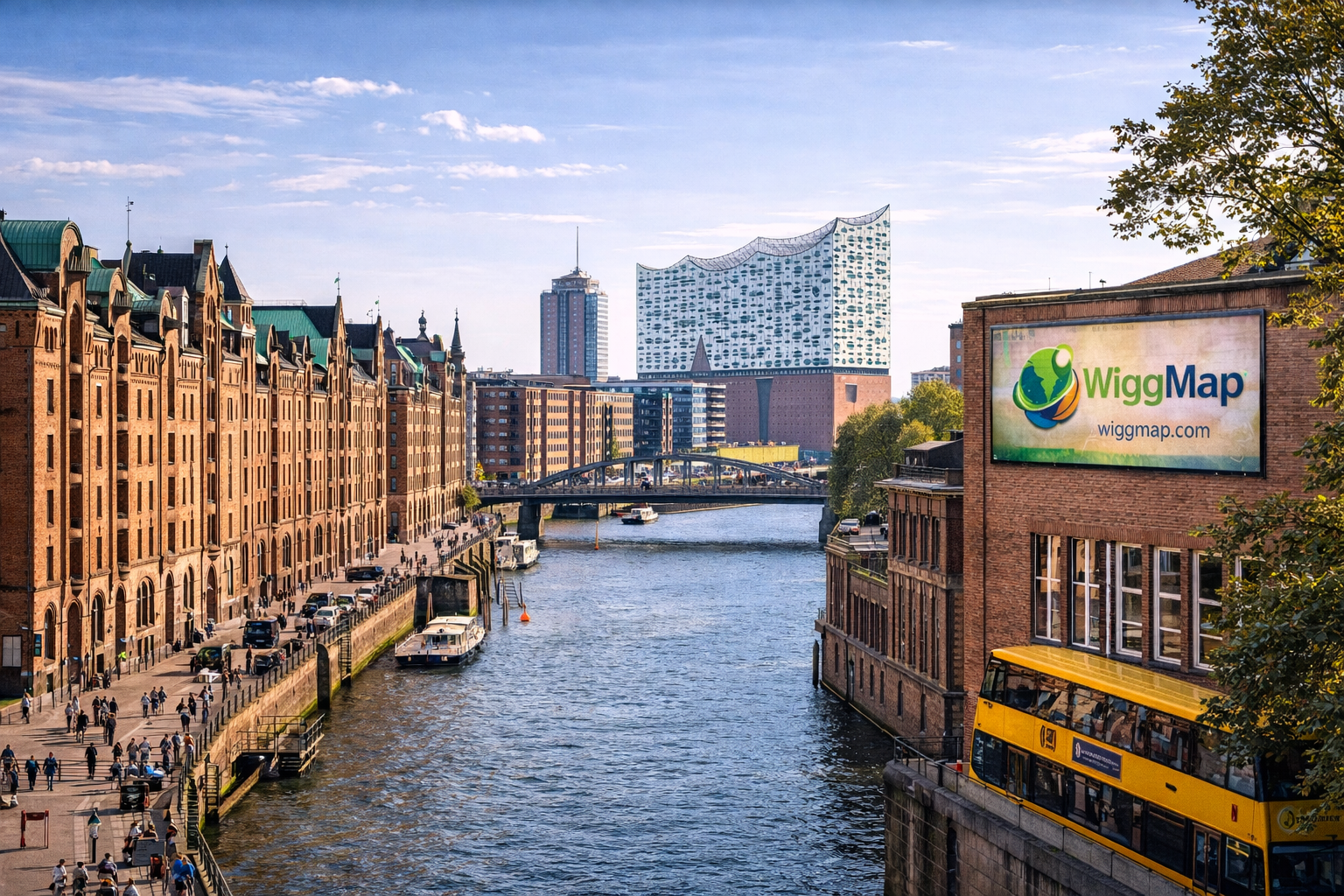
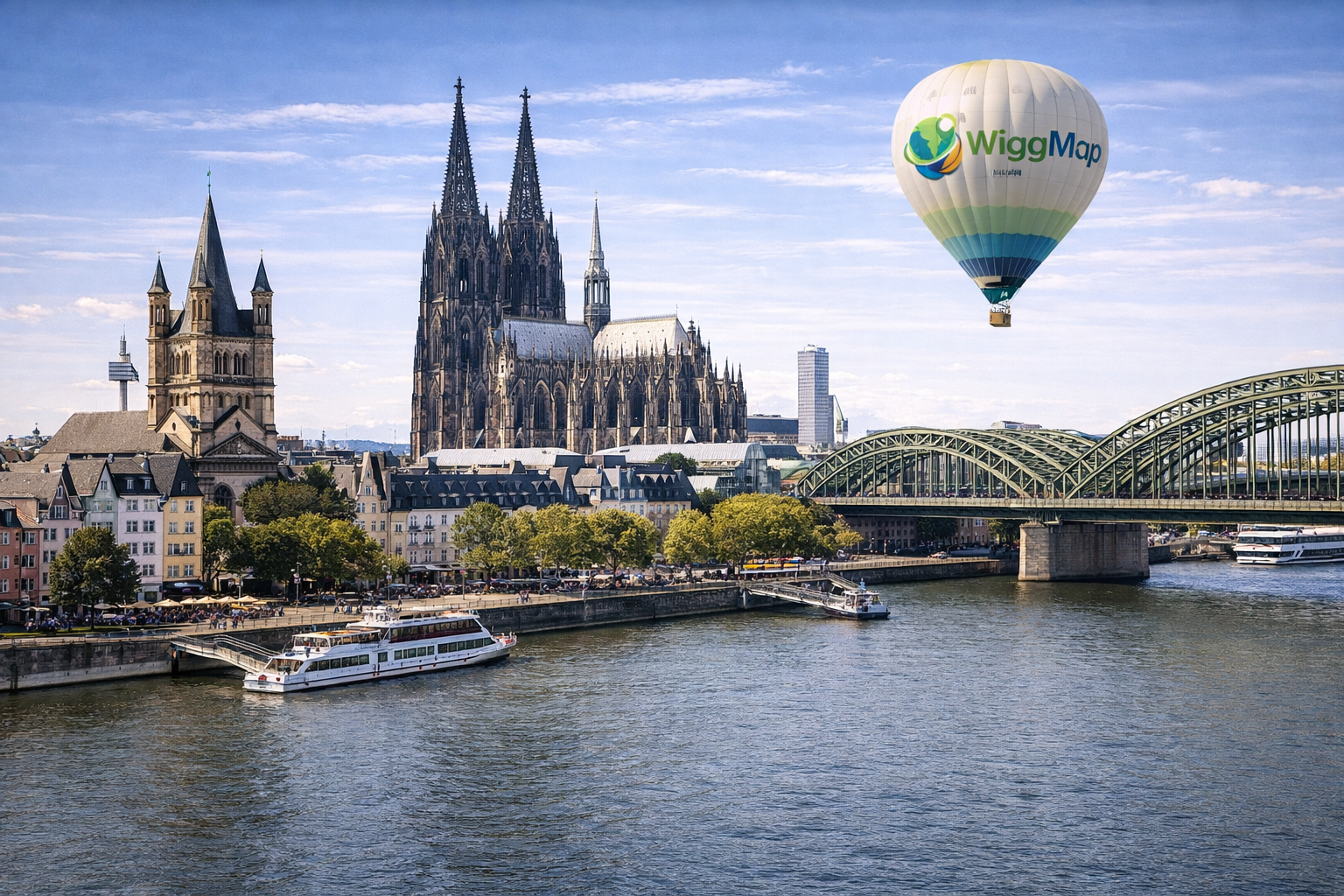
Germany is Europe's economic powerhouse and most populous EU nation, known for engineering excellence, efficiency, and complicated history. From Berlin's vibrant creative scene to Munich's Bavarian traditions, Hamburg's maritime culture to Rhine valley's medieval castles — regional diversity is significant. The economy is export-driven: automotive (BMW, Mercedes, VW), machinery, chemicals, and engineering. Germany offers excellent infrastructure, social welfare, job opportunities, and central European location. However, bureaucracy, high taxes, language barriers, and gray weather create challenges. Post-WWII guilt shapes culture and policies.
👥 People & vibe
With roughly 84 million people, Germany is ethnically German (~80%) with significant Turkish, Polish, Syrian, and other immigrant communities. German language is essential for integration. The culture values punctuality, order, efficiency, and directness. Stereotypes have truth: Germans are organized, follow rules, value precision. However, regional differences are huge: Berlin is artsy/rebellious; Munich is conservative/traditional; Hamburg is cosmopolitan/maritime; Cologne is Catholic/festive. The vibe is orderly but not uptight. Work-life balance is improving. History's weight is palpable.
🌦️ Climate & landscape
Expect temperate climate: warm summers (20-28°C), cold winters with snow (0 to -10°C in south), frequent rain year-round. The landscape includes North Sea/Baltic Sea coasts, northern plains, central hill country, Rhine and Danube river valleys, Black Forest, and Bavarian Alps. Natural beauty ranges from dramatic (Alps) to pastoral (countryside). Gray, overcast weather is common. Air quality is generally good. Autumn is beautiful but short.
🏠 Housing & settling in
Major cities have tight rental markets. Berlin's Prenzlauer Berg, Kreuzberg, Neukölln; Munich's Schwabing, Glockenbachviertel attract expats. Expect 2-3 months deposit (Kaution) and hunting (Wohnungssuche) is competitive. Rents: Berlin €900-1,800/month; Munich €1,200-2,500+/month. Quality is generally excellent — well-insulated, efficient heating. Unfurnished means completely bare (no kitchen, sometimes no light fixtures). Anmeldung (registration) is mandatory within 2 weeks. German bureaucracy is real. Buying property requires 10-15% transaction costs.
💼 Work & economy
Germany has Europe's largest economy: automotive, mechanical engineering, chemicals, pharmaceuticals, and growing tech sector. For EU citizens, free movement applies. Non-EU need work permits — Blue Card for skilled workers or job seeker visa. Opportunities exist in engineering, tech (Berlin startup scene), healthcare, finance, or multinationals. Salaries are good but taxes are 30-45%. Work-life balance is valued (though long hours in some sectors). German language is essential for most jobs except tech/international companies. Unemployment is low. Apprenticeship system is strong.
🛂 Visa & entry
EU/EEA/Swiss citizens have free movement rights. Non-EU can visit Schengen zone 90 days in 180 days. For longer stays, options include Blue Card (skilled workers with degree and salary threshold), job seeker visa (6 months to find work), student visa, or family reunion. The bureaucracy is infamous but functional. Permanent residence (Niederlassungserlaubnis) requires 5 years. Citizenship requires 8 years residence (3 if married to German), German language proficiency (B1), and passing citizenship test. Dual citizenship now allowed (law changed 2024).
🏥 Healthcare
Healthcare is universal through mandatory insurance (public or private). Quality is excellent — well-trained doctors, modern hospitals, comprehensive coverage. Public insurance (gesetzliche) covers ~90% of population; private (private) for high earners. Costs are 14-15% of gross income (split with employer). Life expectancy is ~81 years. Wait times for specialists can be long. Prescription drugs are subsidized. Dental basic coverage included. System is reliable and high-quality.
🚗 Transport & mobility
Public transport is excellent: Berlin has U-Bahn, S-Bahn, trams, buses; Munich similar. Deutsche Bahn trains connect cities efficiently (though delays are increasing). Autobahn (highway) has no speed limit on some sections (famous). Roads are excellent. Cycling infrastructure is good. Cars are common but public transport is viable. Intercity travel is easy. Frankfurt Airport is major European hub. Domestic flights unnecessary due to rail network. €49 ticket gives unlimited regional transport.
🍛 Food note (national dish)
There's no single national dish but Bratwurst and Sauerkraut
, Schnitzel
, or Currywurst
represent German food culture. Regional cuisines vary: Bavarian (pretzels, pork knuckle), Swabian (Spätzle, Maultaschen), Northern (fish). German cuisine is hearty, meat-heavy, and beer-paired. Bread culture is serious — 300+ varieties. Sunday Brötchen (roll) run is ritual.
🔎 Bottom line
Germany excels for professionals (engineering, tech, healthcare), families (excellent education, safety), and those seeking stability and economic opportunity. Pros: strong economy, excellent infrastructure, comprehensive healthcare, job opportunities, central location, and work-life balance. Cons: high taxes (30-45%+), legendary bureaucracy, gray weather, language barrier (German essential for integration), and reserved culture. Regional differences are significant — Berlin is creative and cheap(er); Munich is expensive and traditional; Hamburg is cosmopolitan. Best for those who can navigate bureaucracy, learn German, and don't need constant sunshine. EU citizens have easiest path. Germany delivers quality, efficiency, and opportunity.
Expat Score — 8.0 / 10