


🧭 Overview
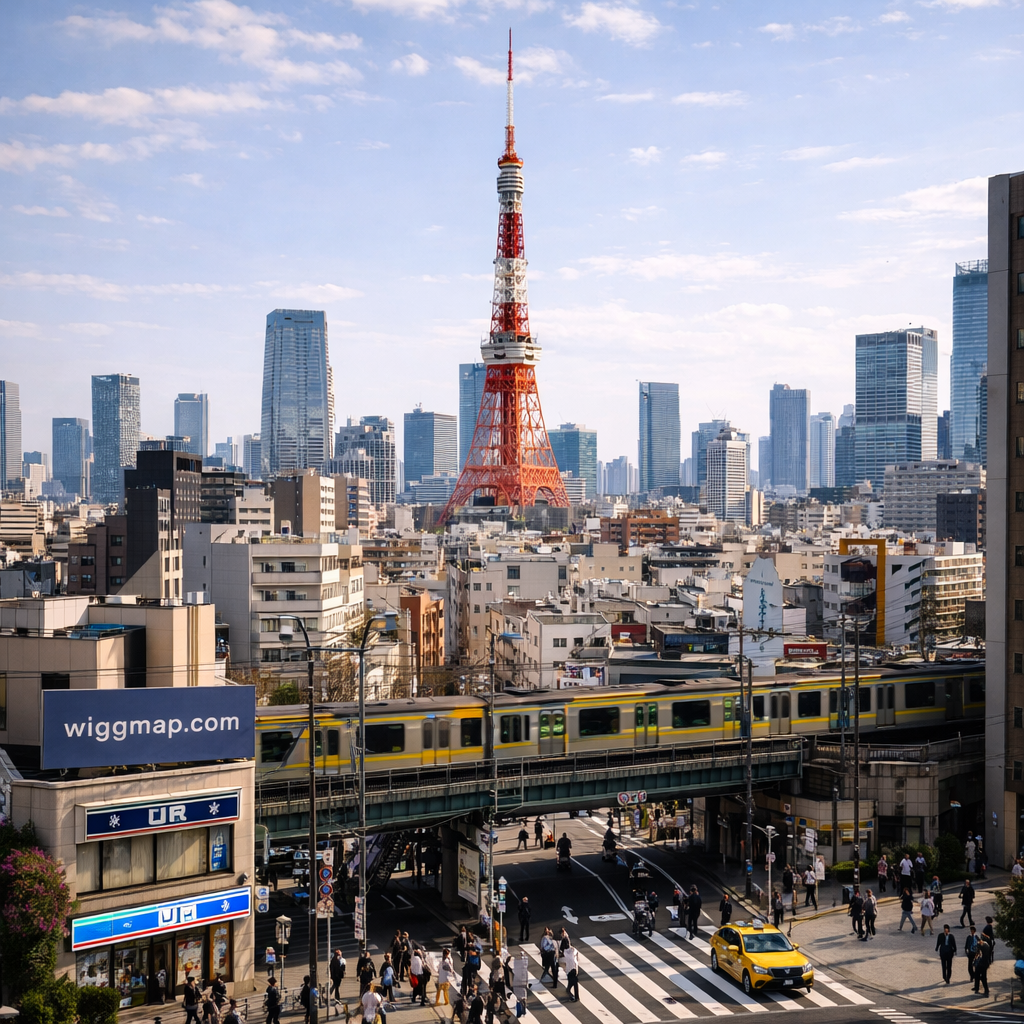
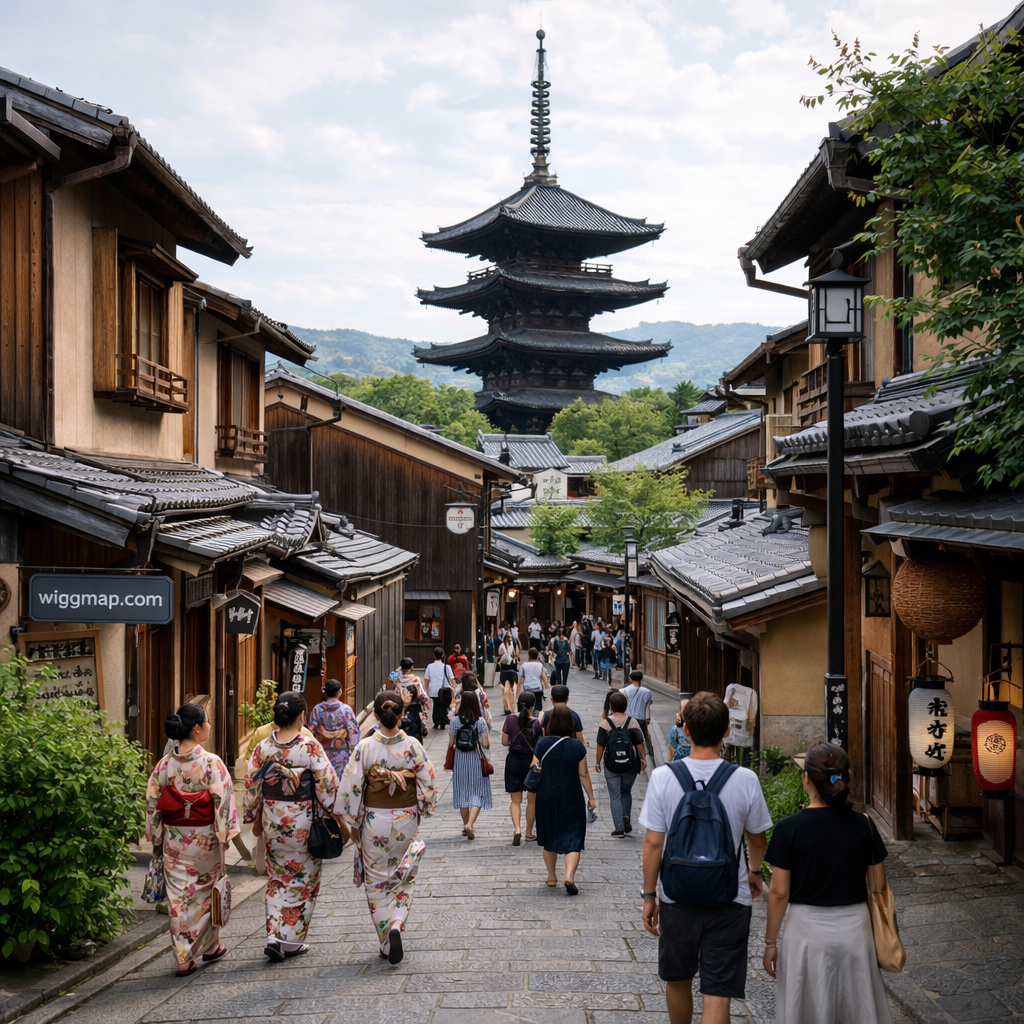
Japan is an island nation in East Asia combining ancient traditions (temples, tea ceremony, kimono) with cutting-edge technology (bullet trains, robotics, anime). Tokyo is the capital and world's largest metro area. The economy is world's third-largest — automotive (Toyota, Honda), electronics (Sony, Panasonic), robotics, and services. Japan offers safety, efficiency, unique culture, excellent food, and fascinating contradictions. However, challenges include: expensive living, work culture (overwork, karoshi — death by overwork), aging society, language barrier, and difficulty integrating as foreigner. Japan is orderly, clean, polite — and sometimes isolating.
👥 People & vibe
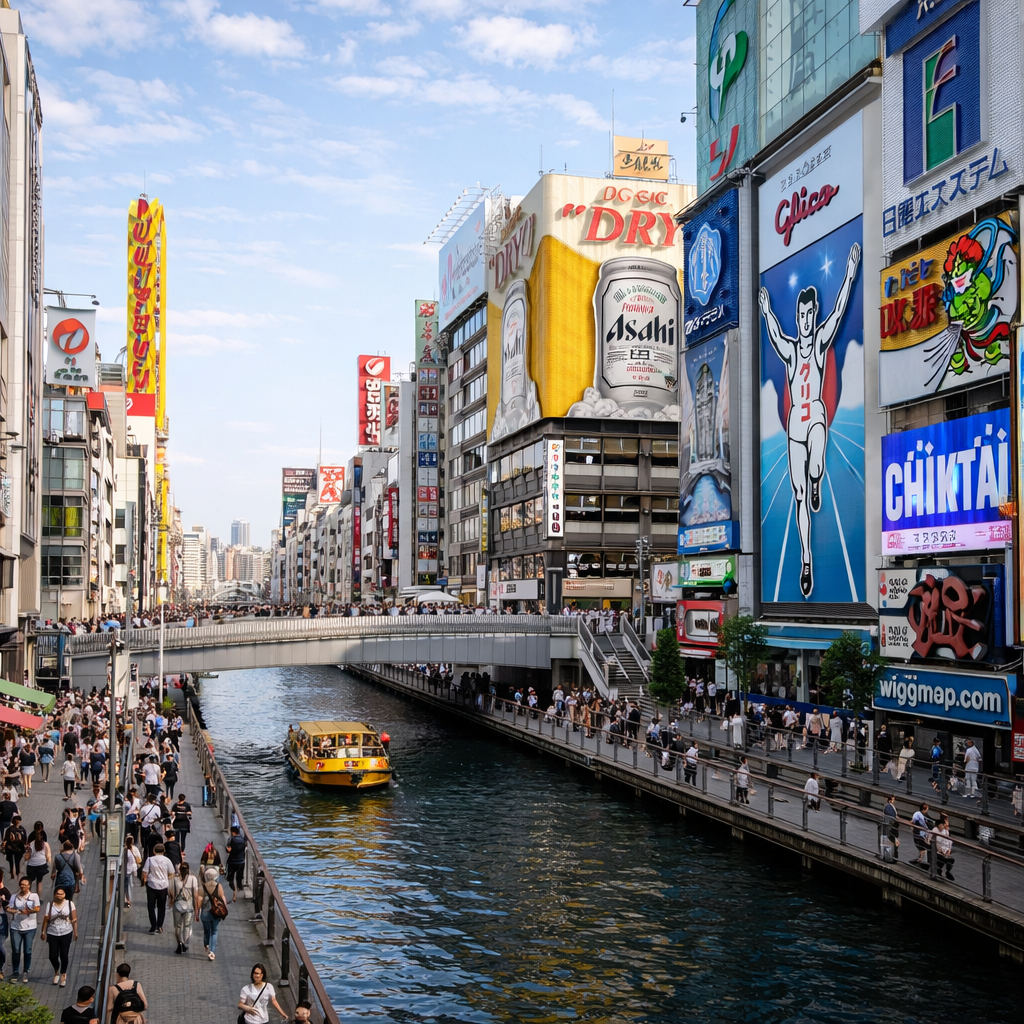
With roughly 125 million people (declining due to low birth rate and minimal immigration), Japan is ethnically homogeneous (~98% Japanese). Japanese language is essential for integration; English is limited outside business/tourist contexts. The culture emphasizes group harmony (wa), respect, hierarchy, and indirect communication. Japanese are polite, reserved, and non-confrontational. The vibe is orderly, efficient, and safe but also conformist and stressful. Tokyo is megacity energy; Kyoto is traditional beauty; Osaka is food/humor; rural Japan is depopulating. Work culture is intense — long hours, after-work drinking, loyalty to company.
🌦️ Climate & landscape
Climate varies by island: Hokkaido (north) has cold winters and cool summers; Honshu (main island) has four distinct seasons; Kyushu/Okinawa (south) are subtropical. Tokyo has hot, humid summers (30-35°C) and mild winters (0-10°C). Rainy season (tsuyu) June-July. The landscape includes mountains (70% mountainous), volcanoes (Mount Fuji), hot springs (onsen), cherry blossoms, rice paddies, and rugged coastline. Natural beauty is celebrated (hanami — cherry blossom viewing). Earthquakes, tsunamis, typhoons are regular threats.
🏠 Housing & settling in
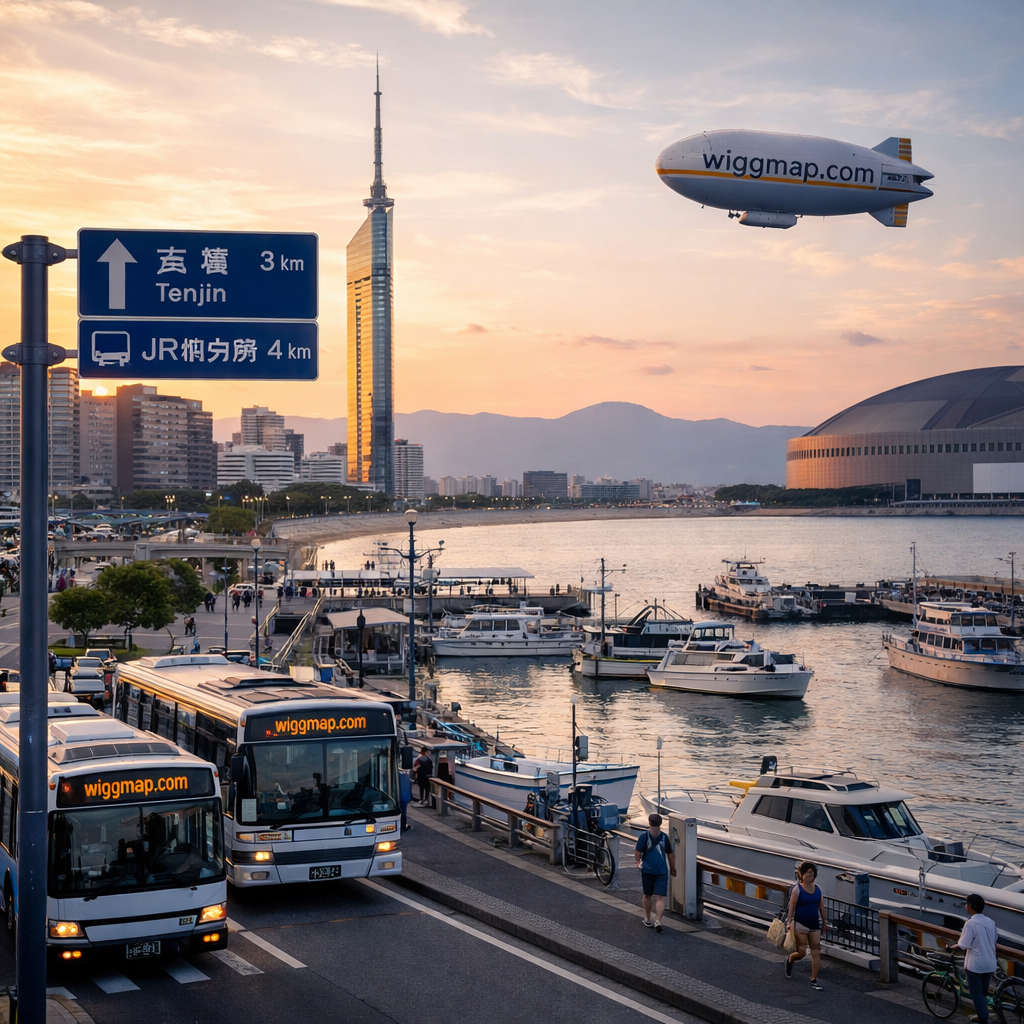
Tokyo housing is small and expensive — ¥80,000-200,000+/month ($530-1,350+) for tiny apartments. Popular areas: Shibuya, Shinjuku, Ebisu, Setagaya. Expect 4-6 months upfront costs (deposit, key money, agent fees). Quality is decent but apartments are tiny by Western standards (25-40m² is normal). Outside Tokyo, cities like Osaka, Kyoto, Fukuoka are cheaper. Registration (Alien Registration Card) is required. Buying property is possible but expensive. Earthquakes mean buildings are engineered well. Heating/cooling can be expensive. Minimalism is necessity.
💼 Work & economy
Japan's economy is advanced: automotive, electronics, robotics, finance, and services. For foreigners, opportunities exist in teaching English (ALT programs, eikaiwa schools), tech, finance, multinationals, or entertainment (modeling, acting). Work visas require bachelor's degree and employer sponsorship. Salaries are decent (¥3-6M/year, $20-40k) but taxes are 20-40% and costs are high. Work culture is intense — long hours, overtime expected, hierarchy strict. Japanese proficiency helps career advancement. Starting a business is possible but challenging. Opportunities in startups growing.
🛂 Visa & entry
Tourist visas (90 days visa-free) for many nationalities. For longer stays, work visas require employer sponsorship or specific skills. Student visas available. Permanent residence requires 10 years residence (or 5 for highly skilled). Citizenship requires 5 years, renouncing other citizenship, and Japanese proficiency. Naturalization is difficult and Japan doesn't encourage dual citizenship. Integration as gaijin (foreigner) is challenging — you're always outsider.
🏥 Healthcare
Healthcare is universal and excellent. Quality is world-class — modern hospitals, cutting-edge technology, well-trained doctors. National health insurance (shakai hoken) covers 70% of costs. Life expectancy is ~84 years, world's highest. Wait times are short. Prescription drugs are affordable. However, doctor-patient interaction can be brief and impersonal. Mental health services are improving but stigmatized. Language barriers in healthcare exist.
🚗 Transport & mobility
Tokyo has world-best public transport: subway, JR trains, buses — spotlessly clean, always on time (trains apologize for 1-minute delays), extensive network. Most Tokyoites don't need cars. Shinkansen (bullet train) connects cities at 300km/h — Tokyo to Osaka 2.5hr. Roads are well-maintained but congested. Driving in cities is unnecessary and expensive (parking, tolls). Cycling is popular. Domestic flights connect distant cities. Narita/Haneda airports are major hubs. The transport system is marvel of efficiency.
🍛 Food note (national dish)
There's no single national dish but Sushi
, Ramen
, or Curry Rice
represent Japanese cuisine. Regional specialties vary: Osaka (okonomiyaki), Hiroshima (oysters), Hokkaido (seafood). Japanese cuisine is refined, seasonal, presentation-focused. Michelin stars abound. Convenience store food is surprisingly good. Food culture is serious — queuing for 'best' ramen is normal.
🔎 Bottom line
Japan suits those fascinated by unique culture, tech enthusiasts, foodies, anime/manga fans, and those prioritizing safety and efficiency. Pros: safety (virtually no crime), cleanliness, efficiency, public transport, food, unique culture, and technological innovation. Cons: expensive, work culture is brutal, language barrier is severe, difficult to integrate (always gaijin), aging society, and earthquakes/natural disasters. Tokyo is exciting but exhausting; smaller cities offer better work-life balance. Best for teaching English (entry point), tech professionals, or those with Japanese language skills. Living in Japan is fascinating but can be isolating. You can live there for decades and still be considered foreigner. If you can handle that and learn Japanese, Japan is remarkable.
Expat Score — 7.0 / 10